


 简体中文
简体中文
 English
  عربى
عربى Content
- 1 Core Differences Between BLDC and AC Induction Motors
- 2 Energy Consumption: Which Motor Saves More Power
- 3 Noise Performance: How Quiet Can a Tower Fan Motor Get
- 4 Speed Control and Airflow Refinement
- 5 Service Life and Long-Term Maintenance Cost
- 6 Where AC Induction Motors Still Hold an Advantage
- 7 Key Specifications to Check When Sourcing a Custom Tower Fan Motor
- 8 Frequently Asked Questions
For most modern tower fans, brushless DC motors (BLDC) are genuinely the better choice. They typically cut power draw by thirty to fifty percent compared with AC induction motors, can run as quiet as roughly thirty decibels, support stepless speed control, and last around eight thousand to ten thousand hours. That said, AC induction motors have not disappeared entirely, and they still make sense for budget-focused, mechanically simple entry-level models. Below is a closer look at energy use, noise, speed control, lifespan, and sourcing considerations.
Core Differences Between BLDC and AC Induction Motors
Tower fan motors generally fall into two categories based on power supply and structure. AC induction motors run directly on mains power, are structurally simple and inexpensive, and were the standard in early tower fans, but they rely on stepped speed settings, usually three to five gears, with limited regulation precision and noticeably more electromagnetic noise. BLDC motors need an adapter to convert AC into DC before a controller drives the motor, which adds complexity, but in exchange they deliver a wider speed range, lower energy consumption, and quieter operation.
| Comparison Point | AC Induction Motor | Brushless DC Motor |
| Speed Control | Stepped, three to five gears | Stepless, continuous |
| Typical Energy Use | Baseline level | Reduced by roughly 30 to 50 percent |
| Operating Noise | Noticeably higher | As low as around 30 decibels at low speed |
| Service Life | Generally shorter | Roughly 8,000 to 10,000 hours |
| Procurement Cost | Lower | Around 10 to 20 percent higher |
Energy Consumption: Which Motor Saves More Power
Tower fan motor power typically sits between twenty and sixty watts, and this range directly shapes airflow performance and electricity use. Lower-power units, around twenty to thirty watts, suit bedrooms and study rooms with gentle airflow and lower consumption. Higher-power units, around forty to sixty watts, suit living rooms and offices, reaching airflow distances of eight to ten meters, but with higher energy use and noise. For the same airflow output, BLDC motors often need only about two-thirds of the electricity an AC motor requires, and over a summer of eight-hour daily use, that difference can add up to a meaningful amount on the annual electricity bill.
- Low-power range (20 to 30 watts): ideal for bedrooms and study rooms, more efficient in sleep mode
- High-power range (40 to 60 watts): ideal for living rooms and offices, longer throw but higher consumption
- At equal airspeed, BLDC motors generally consume about one-third less power than AC motors
Noise Performance: How Quiet Can a Tower Fan Motor Get
Motor noise mainly comes from three sources: mechanical friction, resonance, and electromagnetic noise. Worn or under-lubricated bearings cause abnormal noise and can be eased with regular grease application. Loose mounting between the motor and housing causes resonance, which is fixed by tightening the mounting screws. Electromagnetic noise is more closely tied to the motor's structure itself, and AC motors tend to produce more of it at high speed, while BLDC motors are inherently quieter, especially at low speed settings, with some noise-reduction designs bringing operating sound down to around thirty decibels, quieter than an ordinary conversation.
Speed Control and Airflow Refinement
AC motors generally rely on fixed speed gears, roughly 800 to 1,200 rpm on low and 1,500 to 2,000 rpm on high, producing a noticeable jump between settings. BLDC motors can achieve continuous speed control across roughly 500 to 2,500 rpm, allowing smooth transitions between airflow levels without the abrupt "gear jump" feeling. This matters particularly for scenarios that need fine airflow control, such as sleeping at night or working in an office.
Service Life and Long-Term Maintenance Cost
BLDC motors have no brushes or commutator, so there is no brush-wear issue, and electromagnetic interference is lower, giving them a typical service life of eight thousand to ten thousand hours. AC induction motors generally have a shorter lifespan and are more prone to winding aging or capacitor bulging over time. From a maintenance standpoint, BLDC motors cost roughly ten to twenty percent more upfront, but their lower failure rate and reduced maintenance frequency often make the total cost of ownership more favorable.
| Checkpoint | What to Look For |
| Insulation Class | Class B (130°C) or Class F (155°C) insulation is preferred |
| Bearing Type | Self-lubricating or ball bearings run quieter and can exceed 20,000 hours |
| Protection Rating | At least IP20; sealed motors are recommended for higher-end models |
| Heat Dissipation | Dedicated vents or heat sinks help maintain stability in hot conditions |
Featured Motor Product Series
Motor solutions covering tower fans, air coolers, air purifiers, and other home-appliance applications, all available for custom development.
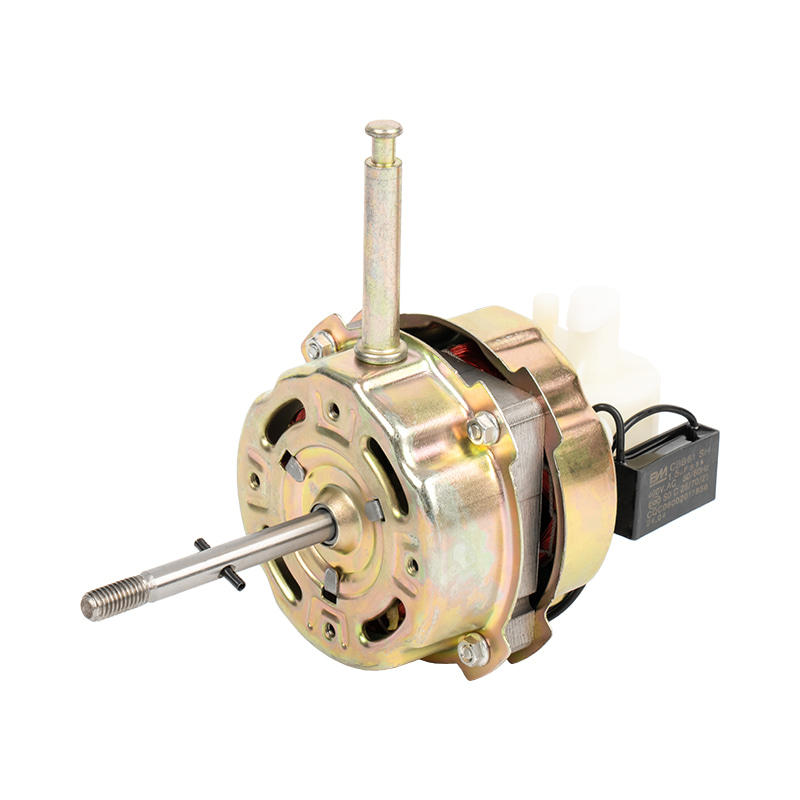
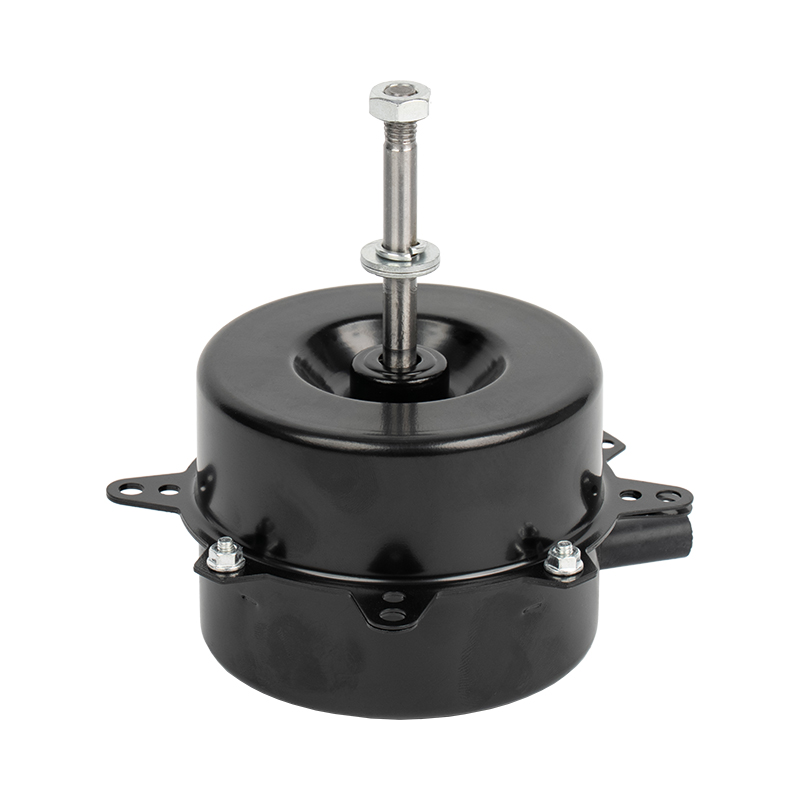
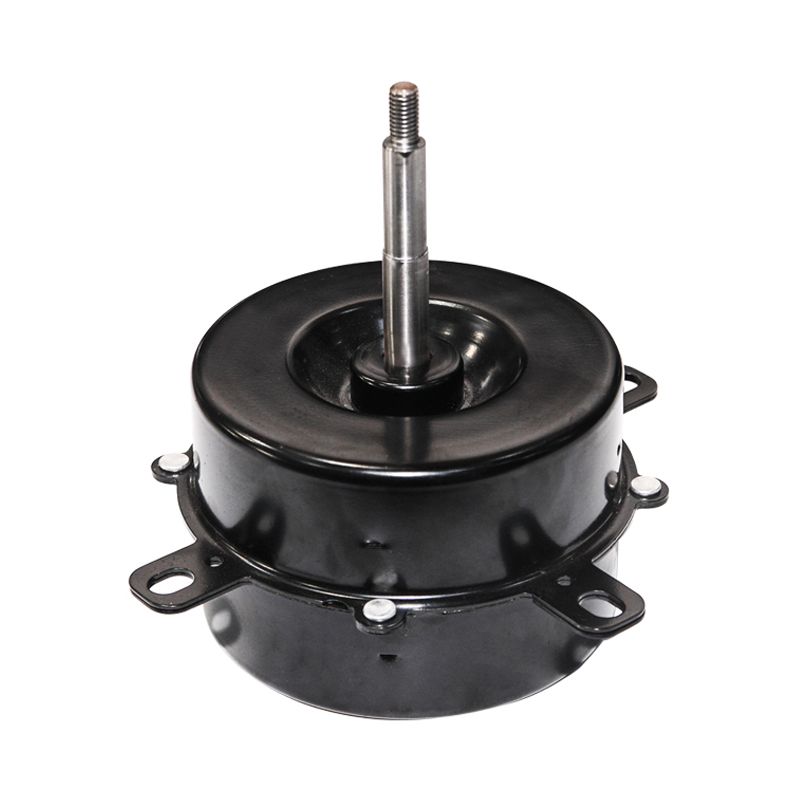
High Efficiency and Quiet Tower Fan Motor
Tower Fan Motor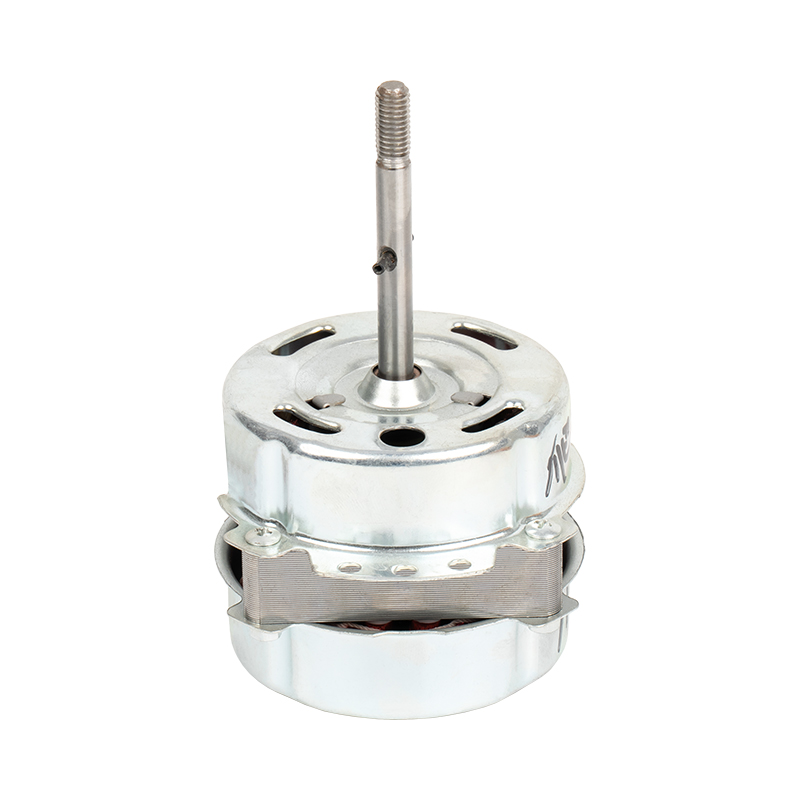
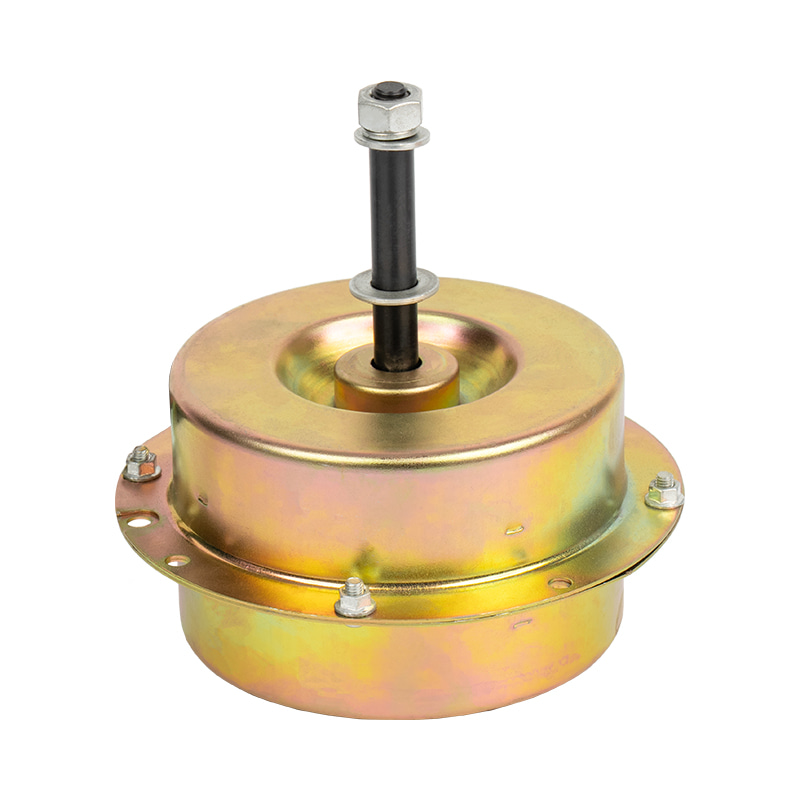
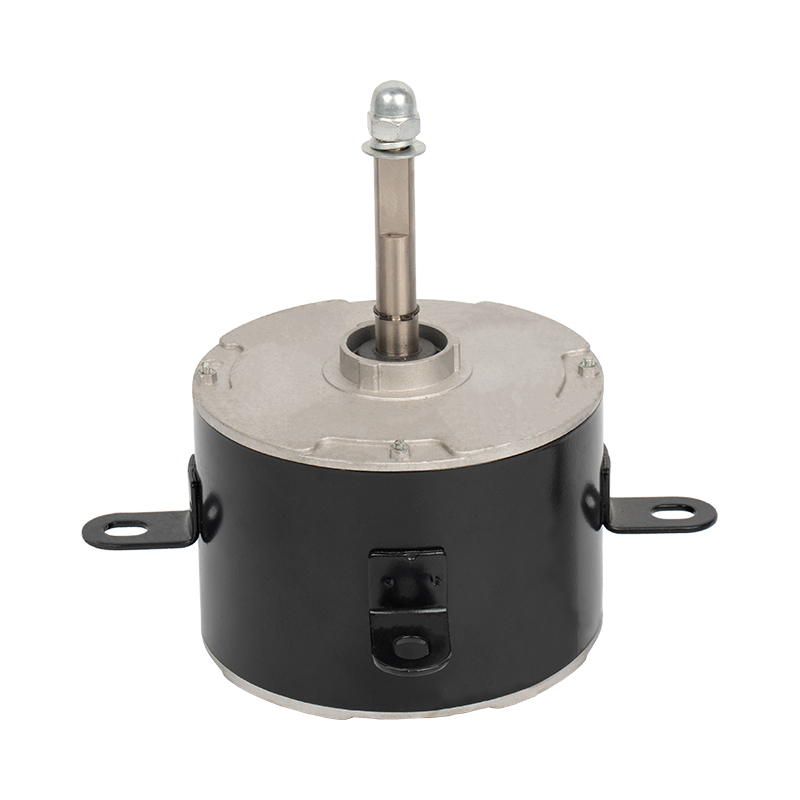
Oscillating Household Tower Fan Motor
Tower Fan Motor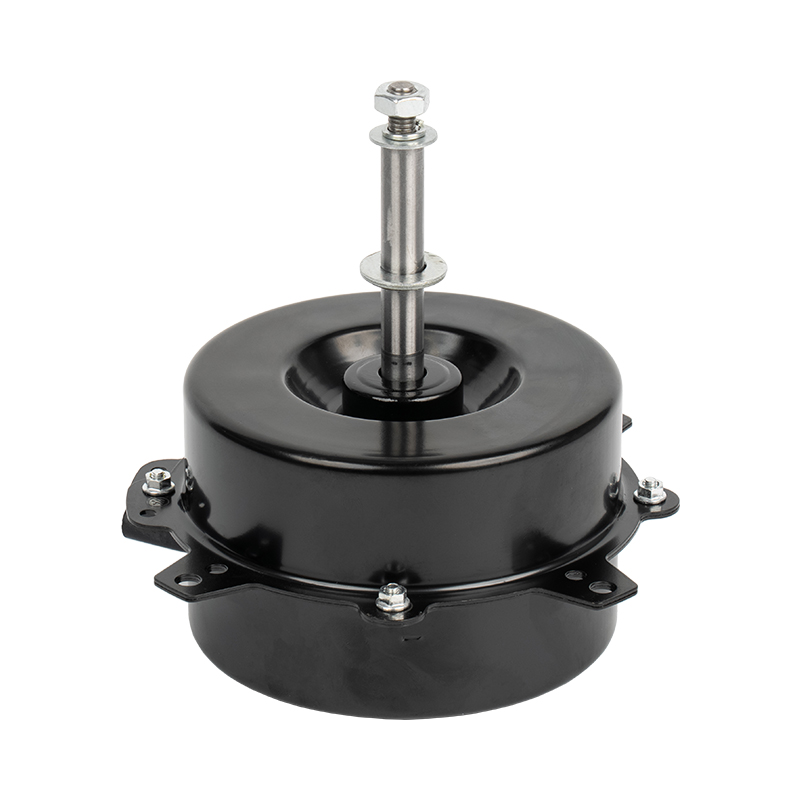
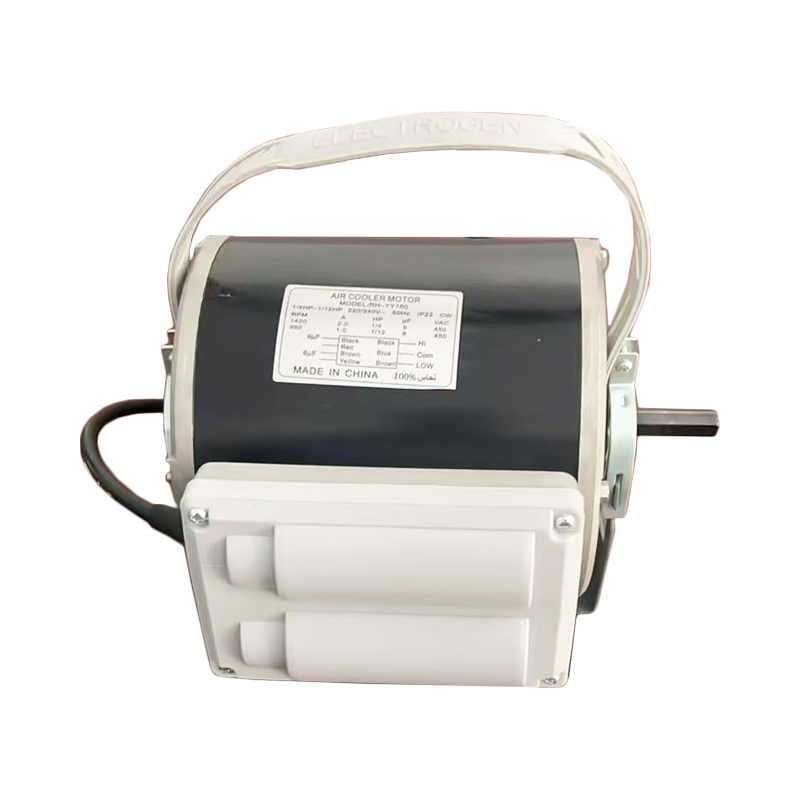
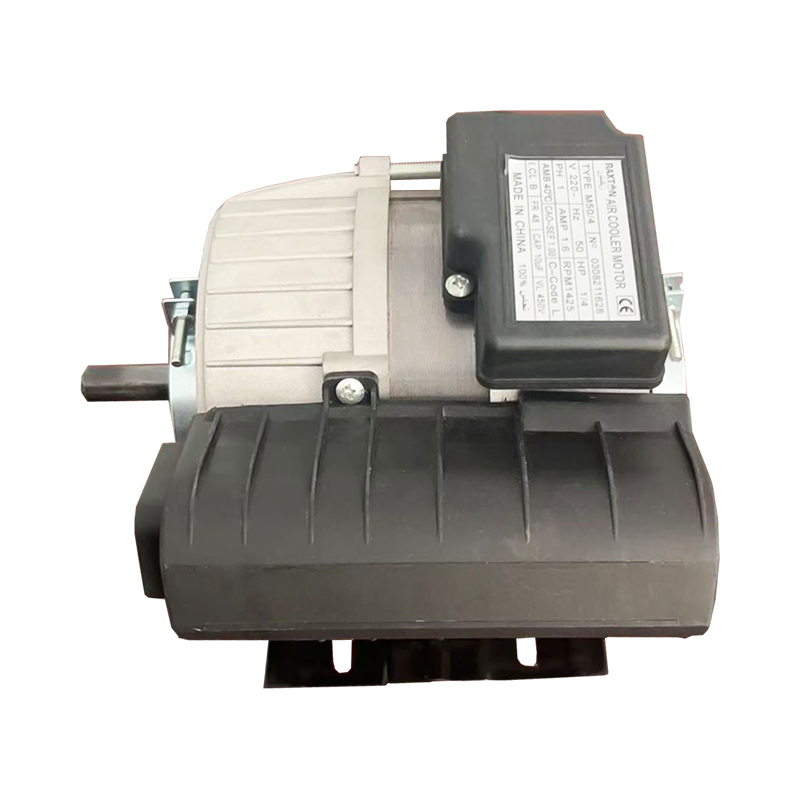
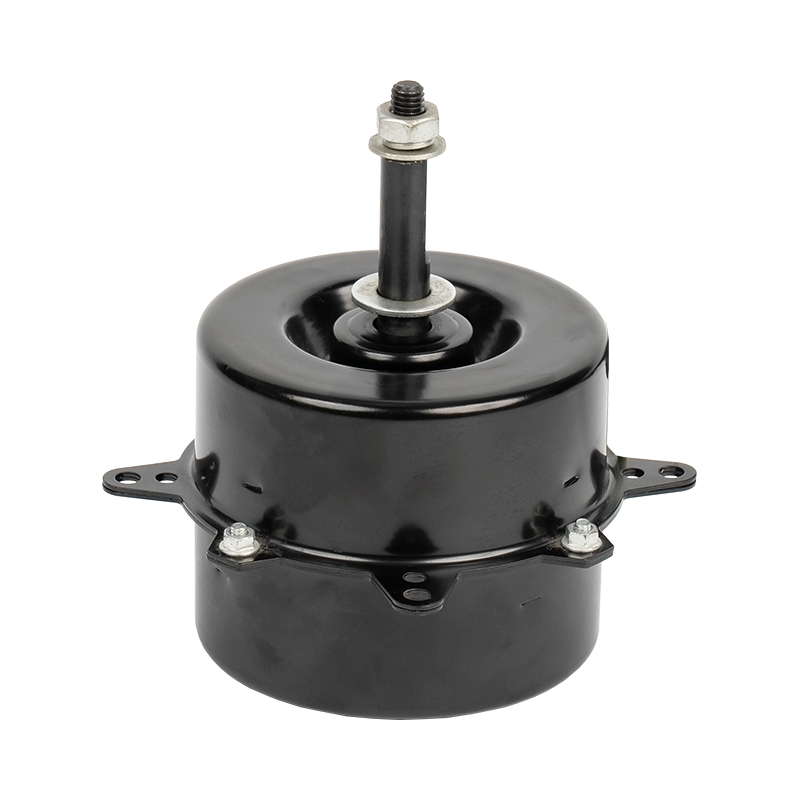
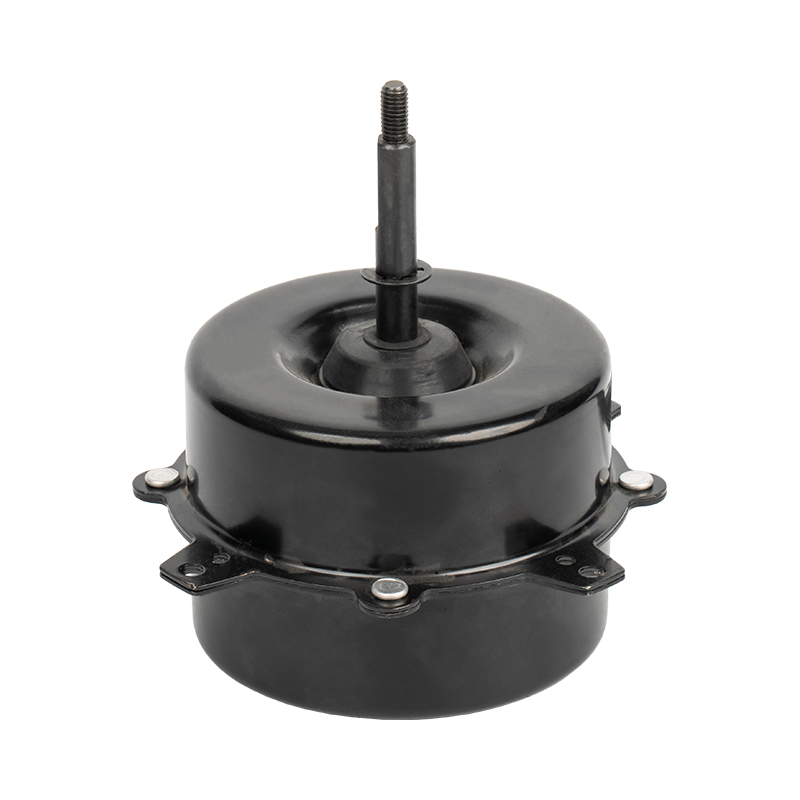
Household and Commercial Air Cooler Motor
Air Cooler Motor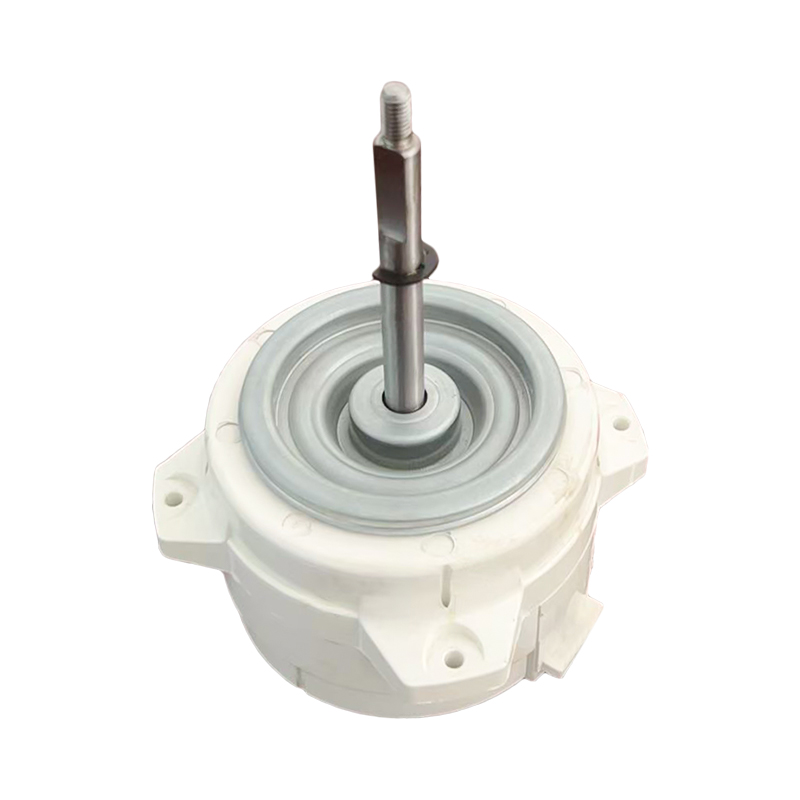
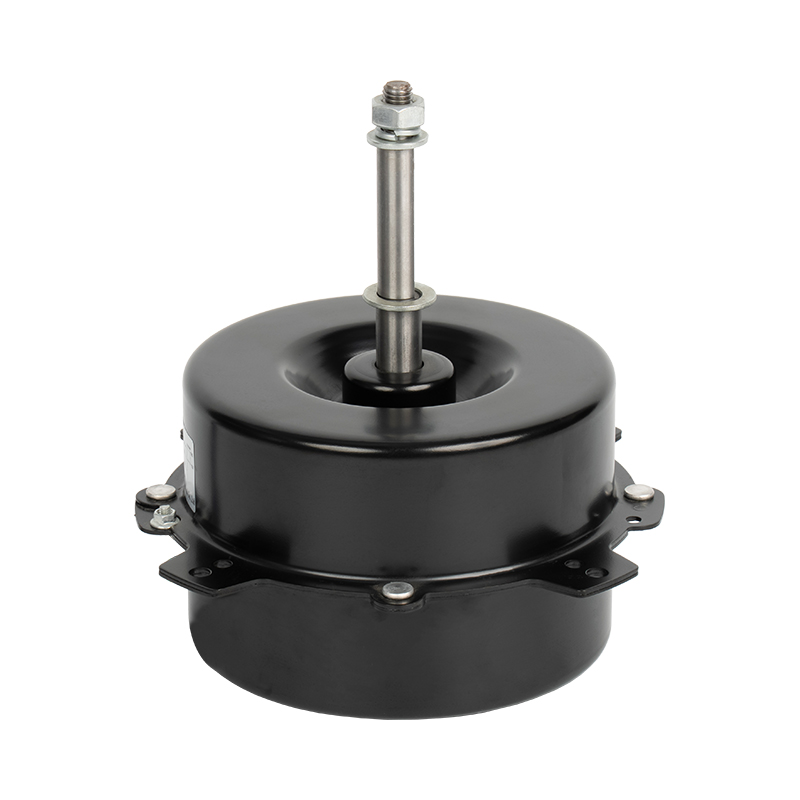
Air Cooler Motor 90W-200W
Air Cooler Motor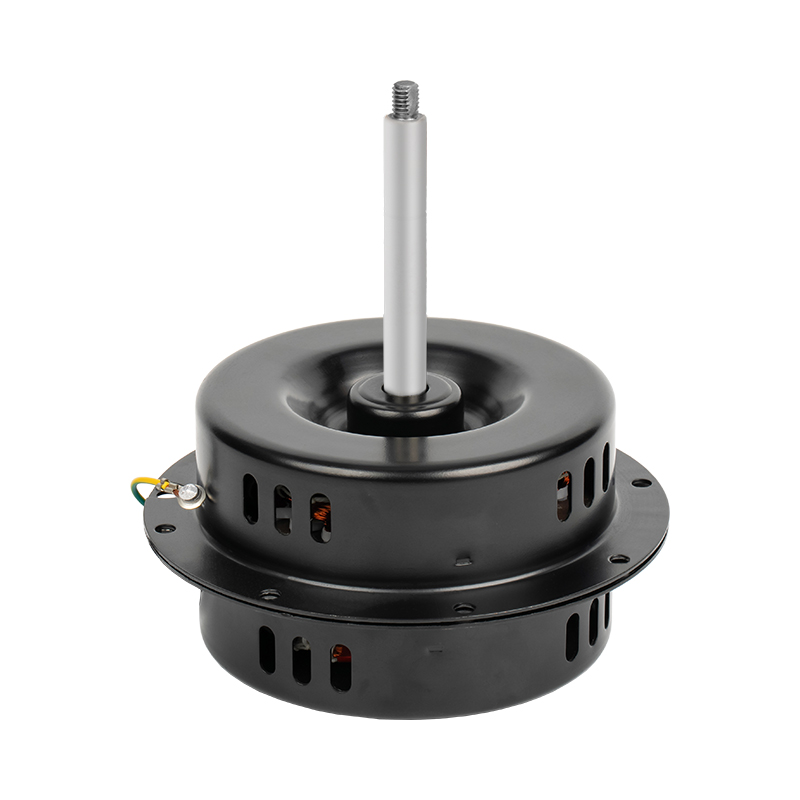
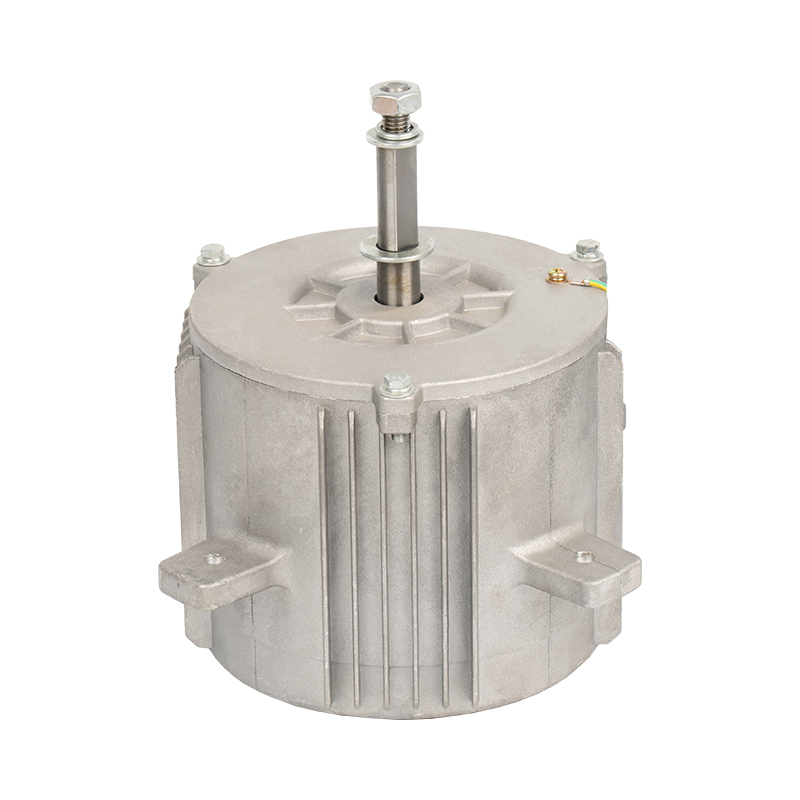
Large Aluminum Fan Industrial Purifier Motor
Industrial Air Purifier MotorWhere AC Induction Motors Still Hold an Advantage
BLDC motors are not the universal answer for every scenario. In entry-level tower fans with tight budgets and low requirements for noise or speed precision, AC induction motors remain a common choice thanks to their simple structure, easy repairs, and lower unit cost. Large industrial ventilation equipment that runs at high power and low speed, such as large industrial fans or water pumps, also benefits from an AC motor's reliability and low-cost operation, since these applications prioritize stability over fine speed control.
Key Specifications to Check When Sourcing a Custom Tower Fan Motor
Whether buying a finished tower fan or sourcing a custom motor as a factory, a few specifications are worth verifying: motor type (AC induction or BLDC), rated power range, insulation class, bearing type and noise performance, protection rating, and whether overheat protection is built in. For brands or OEM factories that need bulk customization, working with a motor factory that covers multiple product lines, such as air cooler motors, industrial air purifier motors, washing machine motors, tower fan motors, air cooler water pumps, wall breaking machine motors, range hood motors, blower motors, and air conditioner motors, tends to offer stronger support on sampling turnaround, quality consistency, and after-sales response.
- Confirm the rated power matches the airflow requirements of the finished product
- Verify insulation and protection ratings meet the intended usage environment
- Ask for actual noise test data rather than relying on marketing figures
- Favor a motor factory with a complete production line and R&D team for smoother sampling and volume delivery
Frequently Asked Questions
A tower fan motor that will not turn is usually linked to burnt windings, a damaged capacitor, or a faulty control board, and a multimeter check of winding resistance can help narrow down the cause. A buzzing sound during operation often signals a winding short, a scraping sound points to bearing wear, and a stuck or jammed feeling usually means the rotor is seized. In daily use, avoid blocking the air intake with clothing or curtains, clean dust off the fan blade and motor regularly, and keep continuous operation under eight hours with occasional breaks to help extend the motor's service life.




 Home
Home  Tel.: +86-13819807486
 Whatsapp:+86 13819807486
 E-mail:


