


 简体中文
简体中文
 English
  عربى
عربى Content
- 1 Conclusion: Choose a Sealed Motor with Ball Bearings and Thermal Protection
- 2 Motor Types: Open vs. Sealed – Why Sealed Wins
- 3 Bearing Type: Ball Bearings vs. Sleeve Bearings
- 4 Thermal Protection: A Non-Negotiable Safety Feature
- 5 Motor Speed & CFM: Match to Your Cooking Style
- 6 FAQ about Range Hood Motor
- 7 Quick Selection Checklist
Conclusion: Choose a Sealed Motor with Ball Bearings and Thermal Protection
When selecting a range hood motor, the best choice for durability, safety, and performance is a dual-chamber sealed motor with ball bearings and a thermal overload protector. This combination ensures a lifespan of 50,000+ hours, quiet operation below 55 dB, and automatic shutdown if overheating occurs. Avoid open-frame motors or those with sleeve bearings, as they fail faster and can accumulate grease.
Motor Types: Open vs. Sealed – Why Sealed Wins
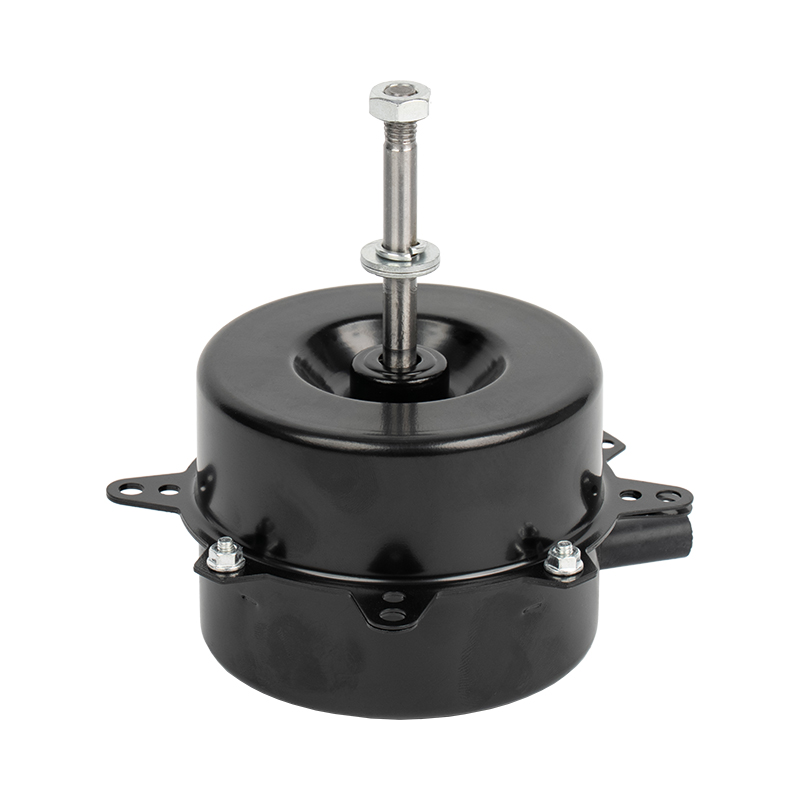
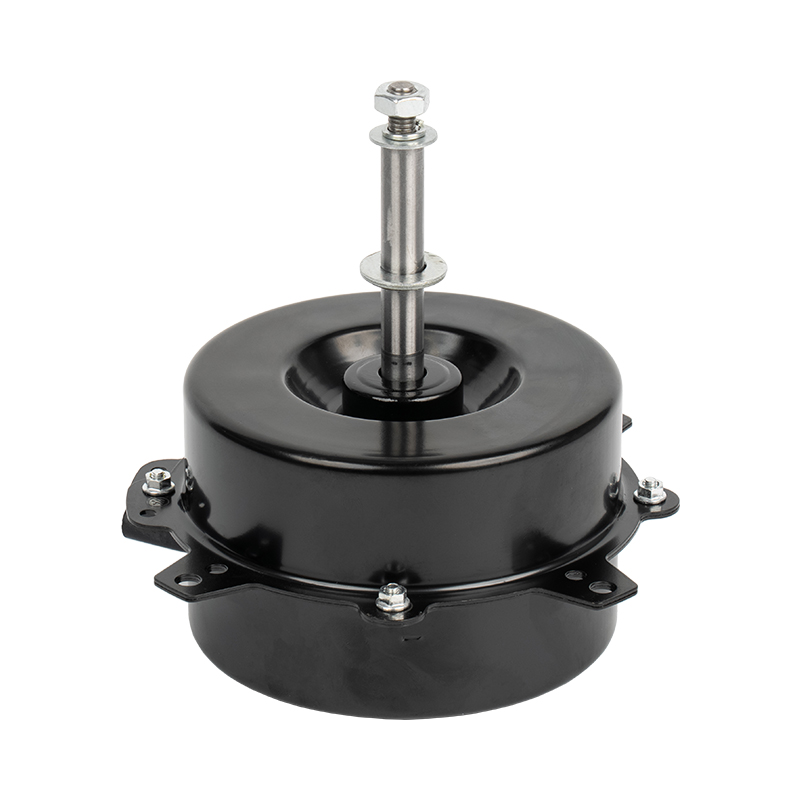
Range hood motors are either open frame (air flows through the windings) or sealed (windings are encapsulated). In kitchen environments, grease and moisture are constant threats. Open motors let grease coat internal components, leading to overheating and failure in as little as 1-2 years. Sealed motors block contaminants, often lasting 5-10 years with normal use.
| Motor Type | Average Lifespan (hours) | Grease Resistance |
|---|---|---|
| Open Frame | ~5,000 – 10,000 | Poor |
| Sealed (Encapsulated) | ~30,000 – 50,000+ | Excellent |
For example, a typical under-cabinet hood with an open motor may need replacement after 18 months of daily frying. A sealed motor in the same environment can easily exceed 5 years of service.
Bearing Type: Ball Bearings vs. Sleeve Bearings
The bearing system directly affects noise and longevity. Sleeve bearings use oil-impregnated metal and are cheaper, but they dry out, causing grinding and failure after roughly 10,000 hours. Ball bearings use steel balls and grease, handling higher heat and lasting 50,000 hours or more. For a range hood running 4 hours daily, ball bearings provide 34 years of theoretical life vs. 6.8 years for sleeve bearings.
- Ball bearings maintain quiet operation even after years of heavy use.
- Sleeve bearings often start squeaking within 6-12 months in hot kitchen air.
Always check the product spec sheet. If it doesn't explicitly say "ball bearings," assume sleeve bearings.
Thermal Protection: A Non-Negotiable Safety Feature
Grease-laden air can cause a motor to overheat. A thermal overload protector automatically cuts power when internal temperature exceeds a safe threshold (typically 120°C – 150°C). Without it, the motor can reach 200°C+, potentially melting insulation or igniting accumulated grease. UL and ETL certifications require thermal protection in range hood motors for the North American market. If you see only a CE mark, verify thermal protection separately.
Motor Speed & CFM: Match to Your Cooking Style
Motor power is measured by CFM (cubic feet per minute). A 600-900 CFM motor handles heavy wok cooking or grilling. For light to medium cooking, 300-600 CFM suffices. More speed settings (e.g., 4 or 5 speeds) give finer control. However, higher CFM creates more noise. A 900 CFM motor at max speed can produce 65-70 dB, while the same motor at 400 CFM might be only 45 dB.
- For a standard 30-inch gas range: minimum 400 CFM.
- For an island hood or long ductwork: add 50-100 CFM to compensate.
- If you have a 6-inch duct, a 1200 CFM motor will be throttled – match motor to duct size.
FAQ about Range Hood Motor
1. Can I replace just the motor, or do I need a whole new hood?
Most standard range hoods (e.g., Broan, Zephyr, Cosmo) have replaceable motor modules. You can buy a compatible motor for $40 – $120 instead of replacing the entire hood ($200 – $1000+). Check your model's parts diagram first.
2. Are universal range hood motors reliable?
Universal motors (e.g., from brands like Fasco or Century) work well if they match voltage, mounting, and shaft size. However, sealed, ball-bearing universal motors are rare. Many universal units are open-frame sleeve-bearing – only suitable for light, occasional use.
3. How do I know if my motor is failing?
- Loud humming or grinding – bearings failing.
- Motor runs but fan spins slowly – worn windings or capacitor.
- Thermal protector trips repeatedly (motor stops then restarts) – overheating due to grease or blockage.
4. Does a more expensive motor always mean better quality?
Not always. A $150 sealed ball-bearing motor from a mid-range brand often outlasts a $250 open-frame motor from a luxury brand that prioritizes aesthetics over engineering. Focus on the specifications: sealed + ball bearings + thermal protection.
5. Can I use a range hood motor for a downdraft or island hood?
Yes, but you may need a motor with higher static pressure (measured in Pa or inches of water). Standard wall-mount motors typically offer 300-400 Pa; downdraft systems often require 500-700 Pa to overcome longer horizontal ducts. Check the static pressure rating – not just CFM.
Quick Selection Checklist
- Sealed housing – mandatory for grease resistance.
- Ball bearings – ensures quiet, long life.
- Thermal overload protector – safety and compliance.
- CFM matched to your cooking – 400+ for gas, 600+ for heavy use.
- Static pressure – at least 400 Pa for ducts over 20 feet.
Following these guidelines will give you a range hood motor that performs safely for 5-10 years with minimal maintenance.


 Home
Home  Tel.: +86-13819807486
 Whatsapp:+86 13819807486
 E-mail:


