


 简体中文
简体中文
 English
  عربى
عربى Content
- 1 Core Functions of Air Conditioner Motors
- 2 Compressor Motor: The Refrigerant Driver
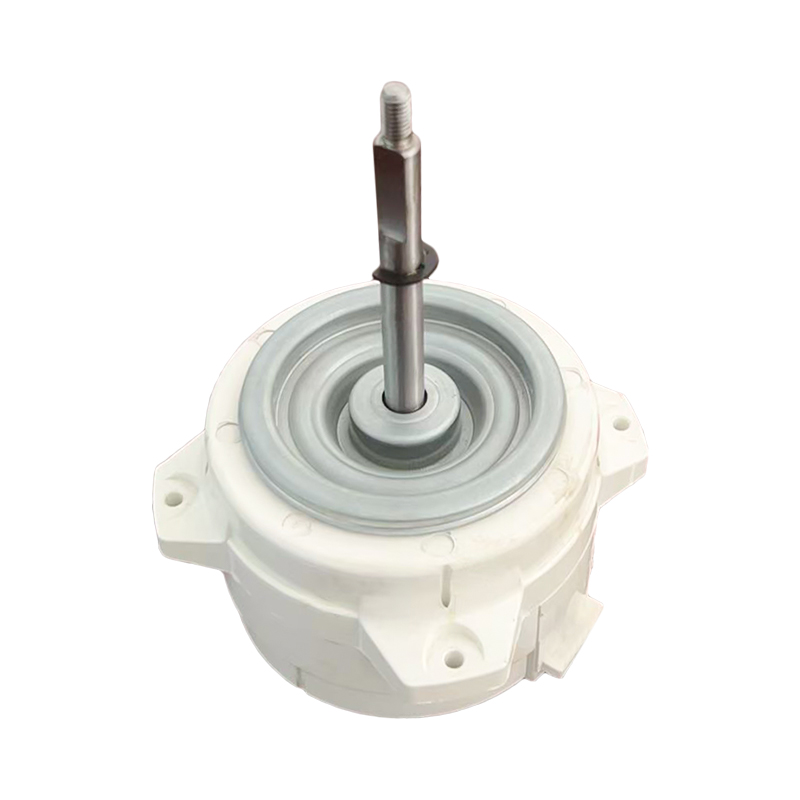
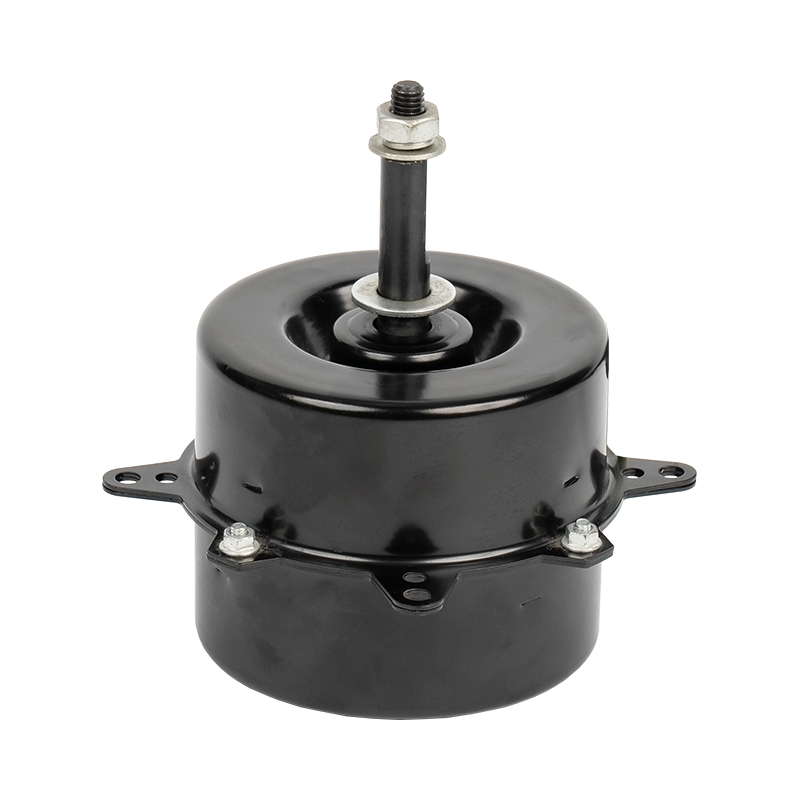
- 3 Condenser Fan Motor: Heat Dissipation Function
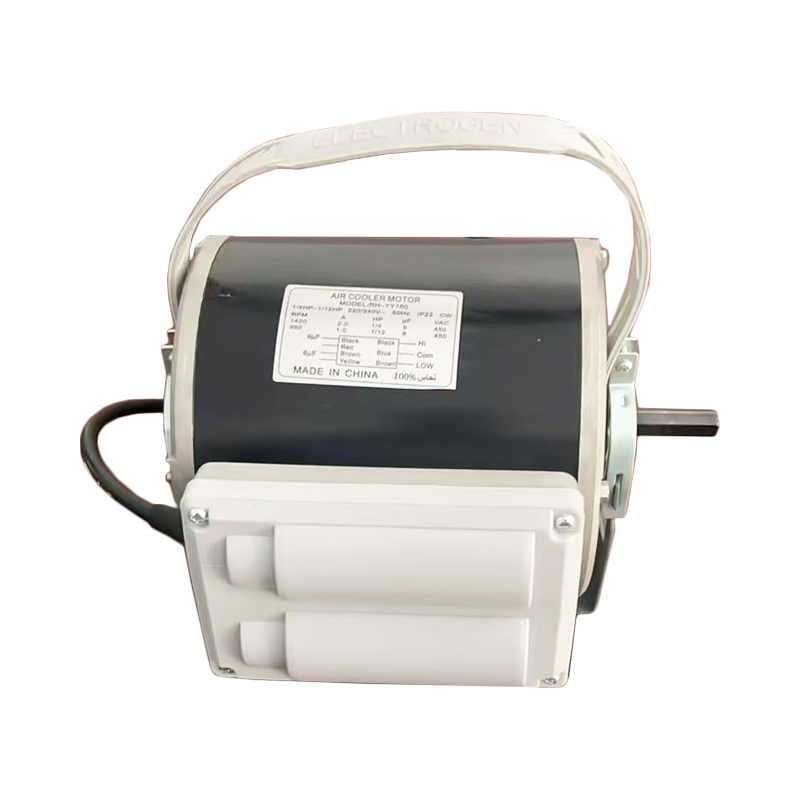
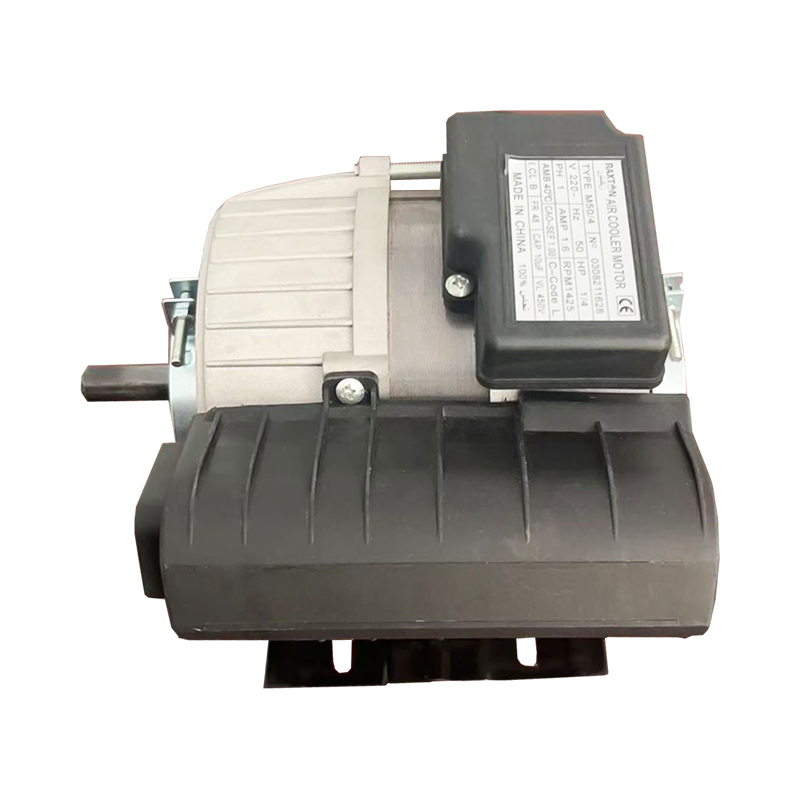
- 4 Blower Motor: Air Distribution Function
- 5 Motor Types and Technical Specifications
- 6 Common Motor Malfunctions and Diagnostic Functions
- 7 Maintenance Functions for Extended Motor Life
- 8 FAQ About Air Conditioner Motor Functions
Core Functions of Air Conditioner Motors
Air conditioner motors serve as the mechanical heart of HVAC systems, converting electrical energy into the mechanical force required for cooling operations. The primary functions include driving the compressor to circulate refrigerant, powering condenser and evaporator fans for heat exchange, and operating blower motors to distribute conditioned air throughout indoor spaces.
Modern residential units typically utilize 3 to 5 motors working in synchronization: one compressor motor, one or two condenser fan motors, and one blower motor. Commercial systems may incorporate additional motors for multi-zone configurations, with some large-scale installations housing up to 12+ motors for comprehensive climate control.
Compressor Motor: The Refrigerant Driver
The compressor motor performs the critical function of pressurizing refrigerant gas, raising its temperature from approximately 70°F to over 150°F before it enters the condenser coils. This compression cycle enables the phase-change process essential for heat absorption and release.
Efficiency Standards and Power Consumption
Compressor motors account for 60-70% of total system energy consumption. High-efficiency models using variable-speed technology can reduce energy usage by 30-50% compared to traditional single-speed compressors. The Seasonal Energy Efficiency Ratio (SEER) ratings directly correlate with motor performance, with modern standards requiring minimum SEER ratings of 14-16 in most regions.
| Motor Type | Efficiency Rating | Power Range (Tons) | Noise Level (dB) |
|---|---|---|---|
| Single-Speed | SEER 13-16 | 1.5 - 5 | 72-76 |
| Two-Stage | SEER 16-18 | 2 - 5 | 68-72 |
| Variable-Speed | SEER 18-26 | 2 - 5 | 55-68 |
Condenser Fan Motor: Heat Dissipation Function
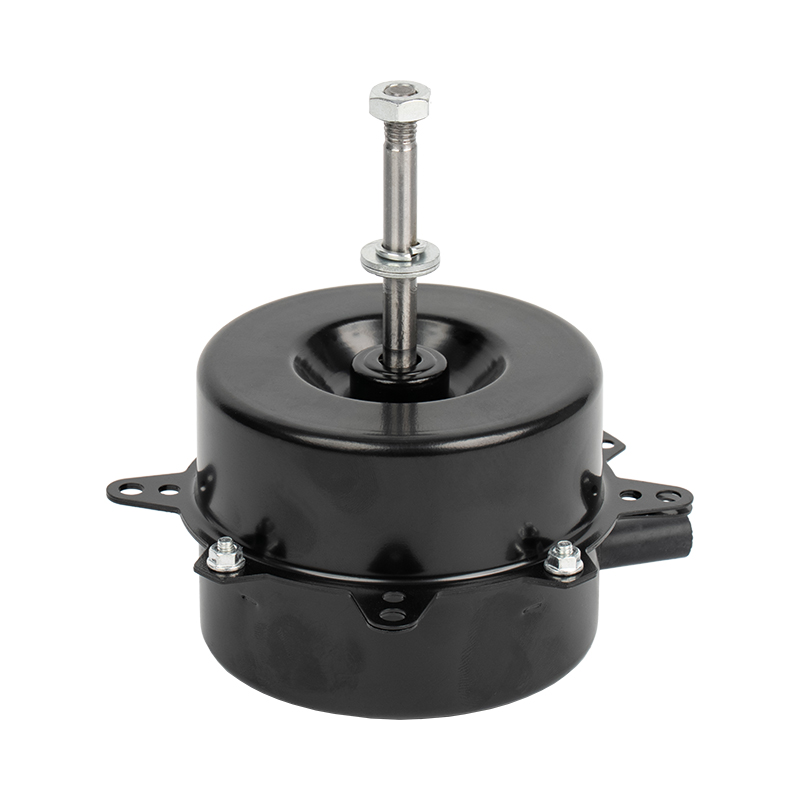
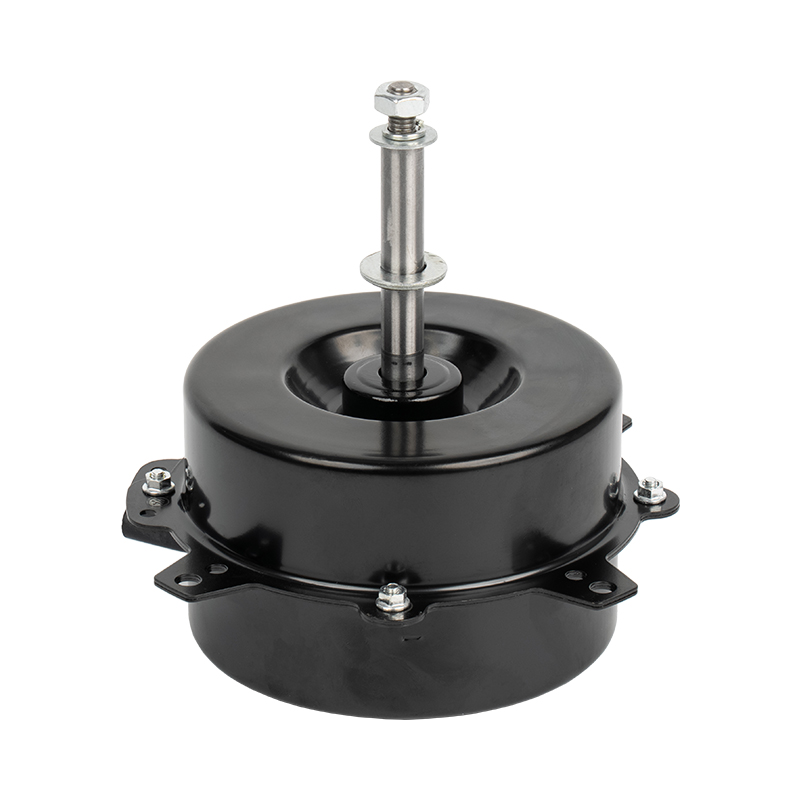
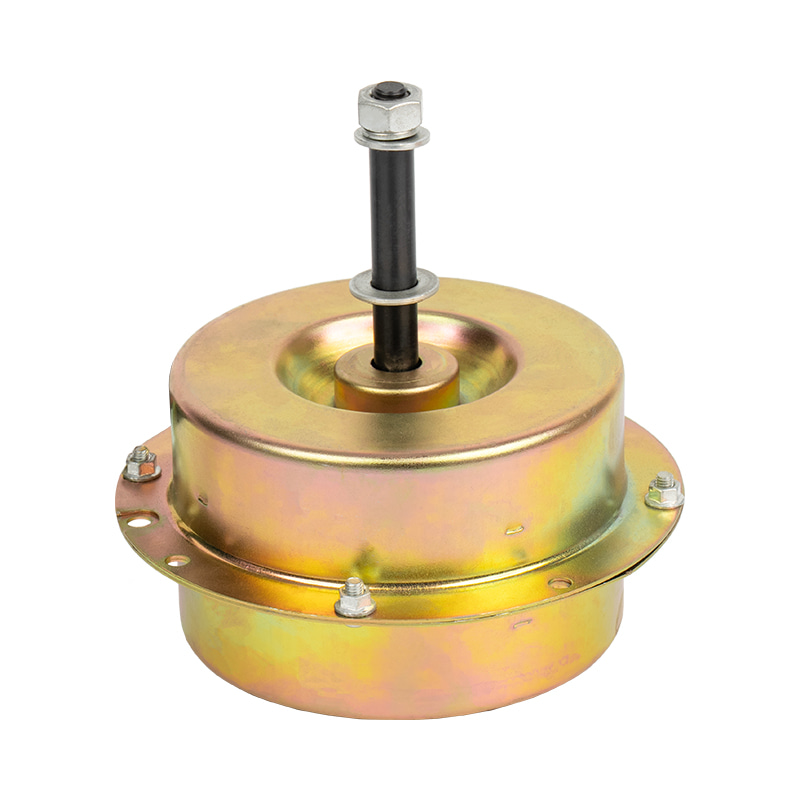
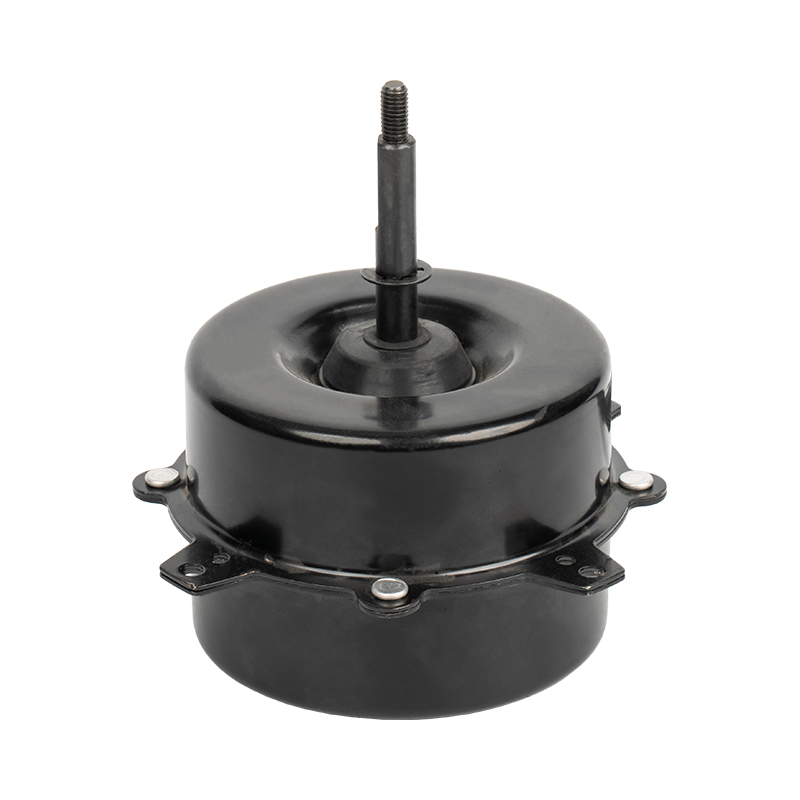
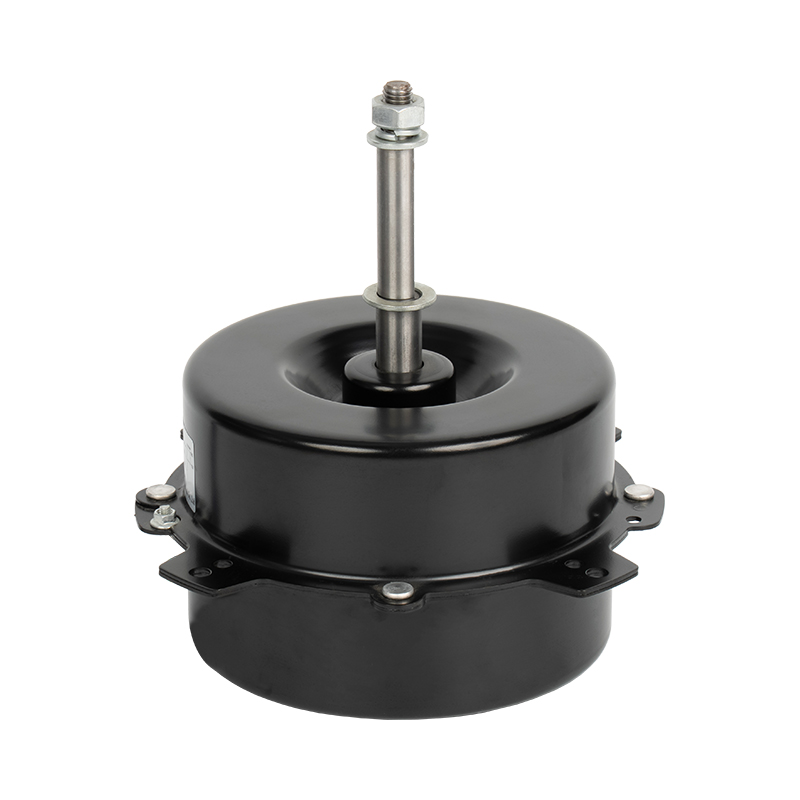
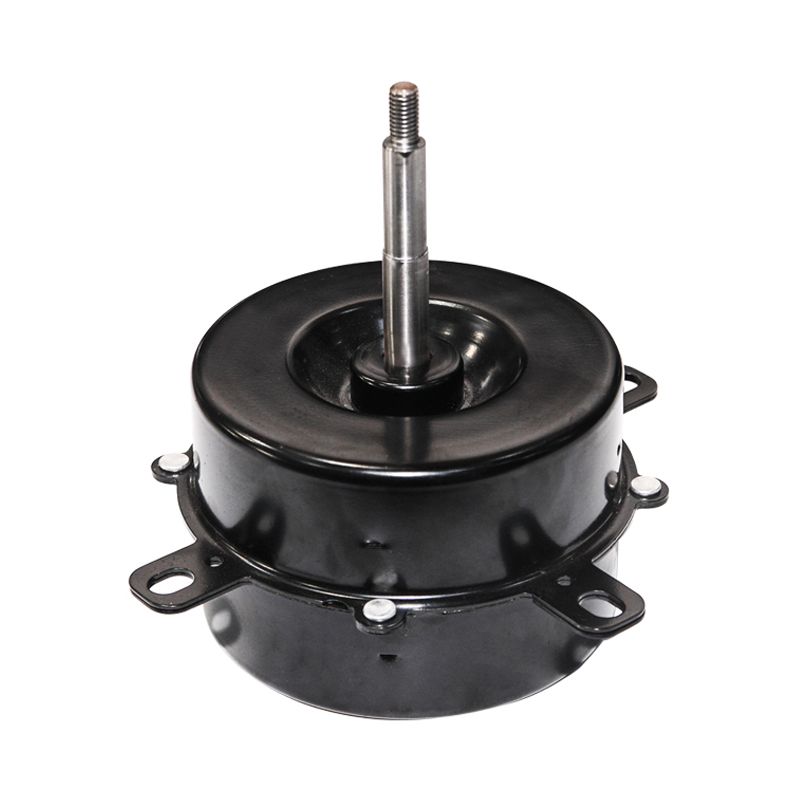
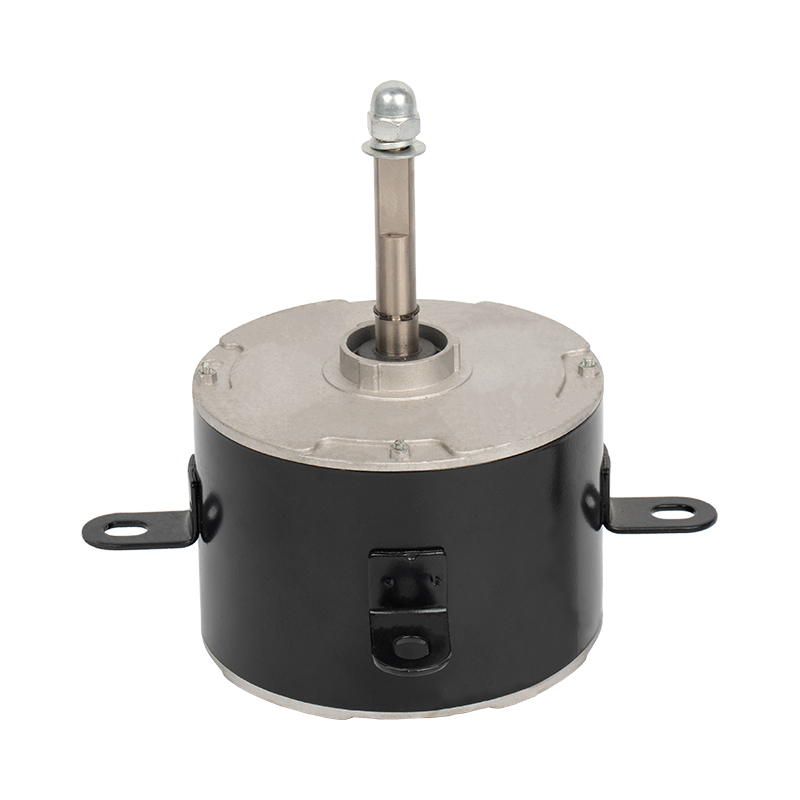
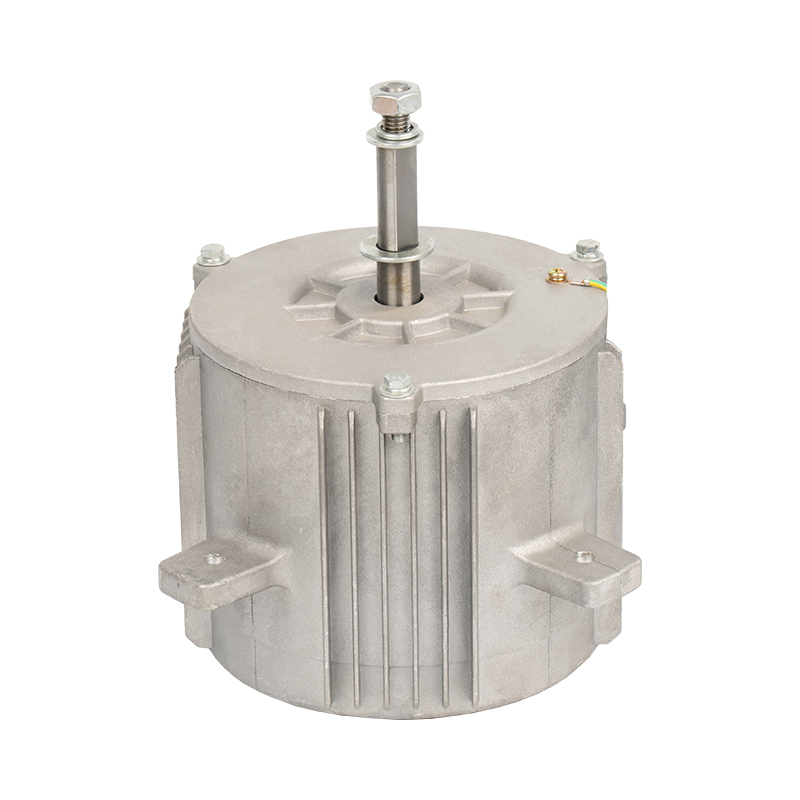
Condenser fan motors facilitate the rejection of heat absorbed from indoor air by forcing ambient air across hot condenser coils. These motors typically operate at speeds between 800-1,200 RPM, moving 2,000-4,000 CFM (cubic feet per minute) of air depending on system capacity.
Thermal Protection Mechanisms
Modern condenser motors incorporate thermal overload protectors that automatically shut down the unit when internal temperatures exceed 140-160°F. This safety function prevents insulation damage and extends motor lifespan beyond the typical 10-15 year service expectancy.
Blower Motor: Air Distribution Function
The blower motor drives the circulation of conditioned air through ductwork, maintaining consistent airflow rates of 400-500 CFM per ton of cooling capacity. This function directly impacts indoor comfort levels and system efficiency.
Variable-Speed Blower Advantages
Electronically commutated motors (ECMs) in variable-speed blowers adjust airflow incrementally across 300-1,200 RPM ranges. This precision enables:
- Enhanced humidity control through longer run cycles at lower speeds
- Energy savings of $200-$300 annually compared to standard PSC motors
- Improved air filtration as air passes through filters at optimal velocities
Motor Types and Technical Specifications
Air conditioner motors employ distinct technologies optimized for specific functional requirements. Understanding these differences aids in troubleshooting and replacement decisions.
| Specification | PSC Motor | ECM Motor | Brushless DC |
|---|---|---|---|
| Energy Efficiency | 55-65% | 80-85% | 85-90% |
| Speed Control | Fixed/Limited | Variable (Infinite) | Variable (Infinite) |
| Average Lifespan | 8-12 years | 15-20 years | 15-25 years |
| Replacement Cost | $150-$400 | $600-$1,200 | $800-$1,500 |
Common Motor Malfunctions and Diagnostic Functions
Motor failures account for approximately 30% of air conditioner service calls. Recognizing malfunction symptoms enables proactive maintenance and prevents complete system failure.
Failure Indicators and Root Causes
- Capacitor Failure: Motor humming without rotation indicates start capacitor malfunction, affecting 85% of single-phase motors over 10 years old
- Bearing Wear: Squealing or grinding noises signal lubrication breakdown, typically occurring after 50,000-60,000 operational hours
- Winding Damage: Electrical shorts cause overheating and automatic shutdown, often resulting from voltage fluctuations exceeding ±10% of rated voltage
- Contactor Issues: Pitting on contact points creates voltage drops, reducing motor torque by 15-20%
Maintenance Functions for Extended Motor Life
Preventive maintenance extends motor operational life by 40-60% while maintaining peak efficiency. Essential maintenance functions include:
- Annual Capacitor Testing: Verify capacitance remains within ±10% of rated microfarad values
- Quarterly Filter Replacement: Maintain static pressure below 0.5 inches water column to prevent blower motor overload
- Bi-annual Bearing Lubrication: Apply manufacturer-specified lubricant to sleeve bearings every 6 months in continuous-use environments
- Condenser Coil Cleaning: Remove debris to maintain airflow within 10% of design specifications, reducing fan motor strain
Implementing these maintenance protocols reduces the probability of unexpected motor failure from 25% to under 5% during the first decade of system operation.
FAQ About Air Conditioner Motor Functions
How do I know if my AC motor is failing?
Primary indicators include unusual noises (grinding, screeching, or clicking), intermittent operation, reduced airflow, or complete failure to start. Capacitor failures often present as a humming sound without motor rotation. If the motor casing exceeds 180°F during operation, immediate professional inspection is necessary.
Can I replace a single-speed motor with a variable-speed model?
Direct replacement requires compatibility with the existing control board. Variable-speed ECM motors demand 24-volt communication signals and specific wiring configurations. Retrofit kits are available for some systems, costing $800-$1,500 including installation, but full system replacement often proves more cost-effective for units over 8 years old.
What causes air conditioner motors to overheat?
Overheating stems from inadequate ventilation, electrical imbalances, mechanical binding, or refrigerant system malfunctions. Dirty condenser coils can increase head pressure by 20-30%, forcing compressor motors to work harder. Voltage drops below 208V on 230V systems cause excessive current draw and thermal buildup.
How long should an air conditioner motor last?
Standard PSC motors typically operate for 10-15 years under normal conditions. Premium ECM and brushless DC motors achieve 15-25 year lifespans. Environmental factors significantly impact longevity: coastal areas with salt air may reduce lifespan by 30-40%, while well-maintained indoor blower motors in climate-controlled environments often exceed 20 years of service.


 Home
Home  Tel.: +86-13819807486
 Whatsapp:+86 13819807486
 E-mail:


