


 简体中文
简体中文
 English
  عربى
عربى Content
- 1 Quick Reference: Six Common Noise Sources
- 2 Worn or Dry Bearings Are the Leading Cause
- 3 Loose Mounting and Resonance Inside the Housing
- 4 AC Induction Motors vs Brushless DC Motors
- 5 Motor Types Used Across Household Air Appliances
- 6 Blade Imbalance, Debris and Obstruction
- 7 A Simple Diagnostic Checklist
- 8 Practical Steps to Reduce Motor Noise
- 9 Deciding Between Repair and Replacement
- 10 Sourcing a Quieter Replacement Motor
Excessive noise in a tower fan motor is caused, in the large majority of cases, by one of four things: dry or worn bearings, a loosely fixed motor housing that resonates against the tower fan shell, the natural electromagnetic hum of an AC induction motor running at high speed, or a blade wheel that is obstructed, dusty, or physically unbalanced. Bearing wear alone accounts for most service calls reported by fan repair technicians, since bearings run continuously for thousands of hours and dry out over time. The good news is that almost every one of these causes can be identified with a simple visual and audible check, and most are fixable without replacing the entire unit.
Quick Reference: Six Common Noise Sources
Before taking the fan apart, it helps to match the sound you are hearing to a likely cause. The table below summarizes the most frequent noise patterns reported for tower fan motors and what typically produces them.
| Sound Pattern | Likely Cause | Typical Fix |
|---|---|---|
| Creaking or grinding | Worn or dry motor bearing | Re-lubricate or replace bearing |
| Rattling or buzzing against housing | Loose mounting screws, resonance | Tighten fixings, add rubber isolation |
| Steady electromagnetic hum | AC induction motor at high gear | Normal at high speed, consider BLDC |
| Clicking or knocking | Debris in blade wheel path | Clean wheel and inlet grille |
| Whining pitch that rises with speed | Rotor imbalance or bent shaft | Inspect shaft alignment, rebalance |
| Intermittent stalling sound | Capacitor degrading or control board fault | Test capacitor, check controller output |
Worn or Dry Bearings Are the Leading Cause
Every tower fan motor relies on one or two small bearings to keep the rotor spinning freely inside the housing. Over months of continuous use, the factory-applied lubricant thins out, and the bearing surfaces begin to make direct metal-to-metal contact. This produces a creaking or grinding sound that gets louder as fan speed increases. In many cases, adding a small amount of motor-grade grease to the bearing restores quiet operation immediately. If the bearing has visible wear grooves or the shaft wobbles when you rotate it by hand, lubrication will not solve it and the bearing itself needs replacing.
Motors with sealed, factory-lubricated bearings tend to hold up better over time. Brushless DC units built for continuous household use are commonly rated for 8,000 to 10,000 hours of service life, which is roughly three to five years of typical daily operation before bearing wear becomes noticeable.
Loose Mounting and Resonance Inside the Housing
A motor that runs smoothly on its own can still sound loud once it is installed, if the mounting bracket has worked loose. Vibration from the spinning rotor transfers into the plastic tower fan shell, and the shell amplifies it like a speaker cabinet. This shows up as a rattling or buzzing sound that changes pitch when you press lightly on the housing.
- Open the fan body and check that all motor mounting screws are seated firmly.
- Look for cracked plastic brackets, which no longer hold the motor rigidly in place.
- Add a thin rubber gasket or foam pad between the motor bracket and the housing to absorb vibration before it reaches the shell.
This kind of resonance noise is often mistaken for a failing motor, when the motor itself is actually running normally.
AC Induction Motors vs Brushless DC Motors
Some noise is simply built into the motor type rather than caused by a fault. Standard AC induction motors, which are common in lower-cost tower fans, generate a steady electromagnetic hum that becomes more noticeable at higher fixed speed settings, usually somewhere between 1,500 and 2,000 rpm on high gear. This is a normal side effect of the winding design and is not something that lubrication or tightening screws will remove.
Brushless DC (BLDC) motors handle this differently. They use electronic commutation instead of mechanical brush contacts, which cuts electromagnetic noise significantly and allows stepless speed control across a range as wide as 500 to 2,500 rpm. Well-built BLDC units can run at 30 decibels or lower on quiet settings, while also using 30 to 50 percent less energy than an equivalent AC motor. If a fan sounds louder than expected purely from switching to a higher setting, and there is no mechanical fault, the motor type itself is usually the explanation.
Motor Types Used Across Household Air Appliances
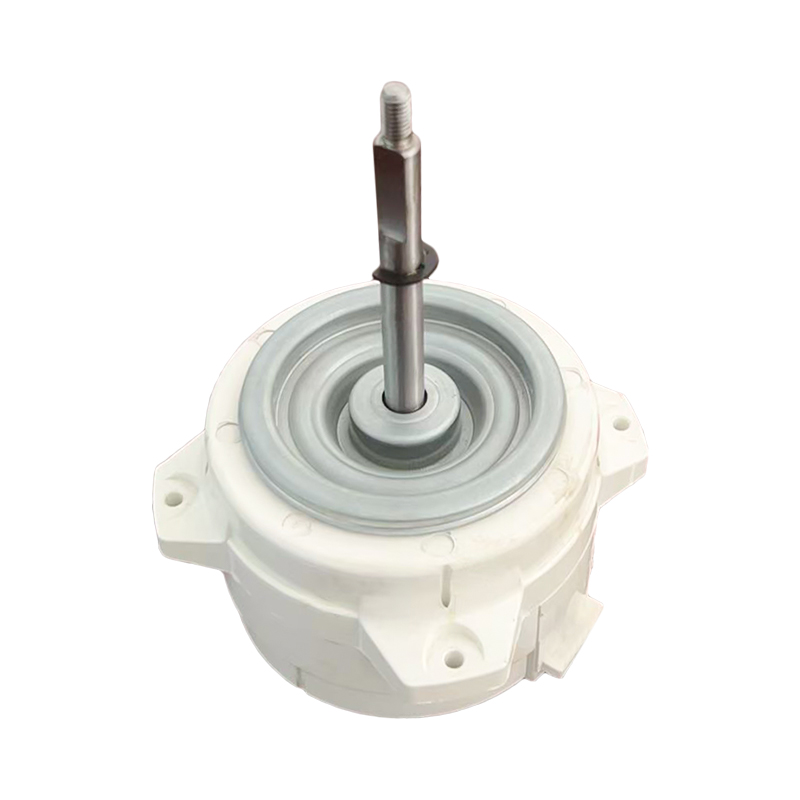
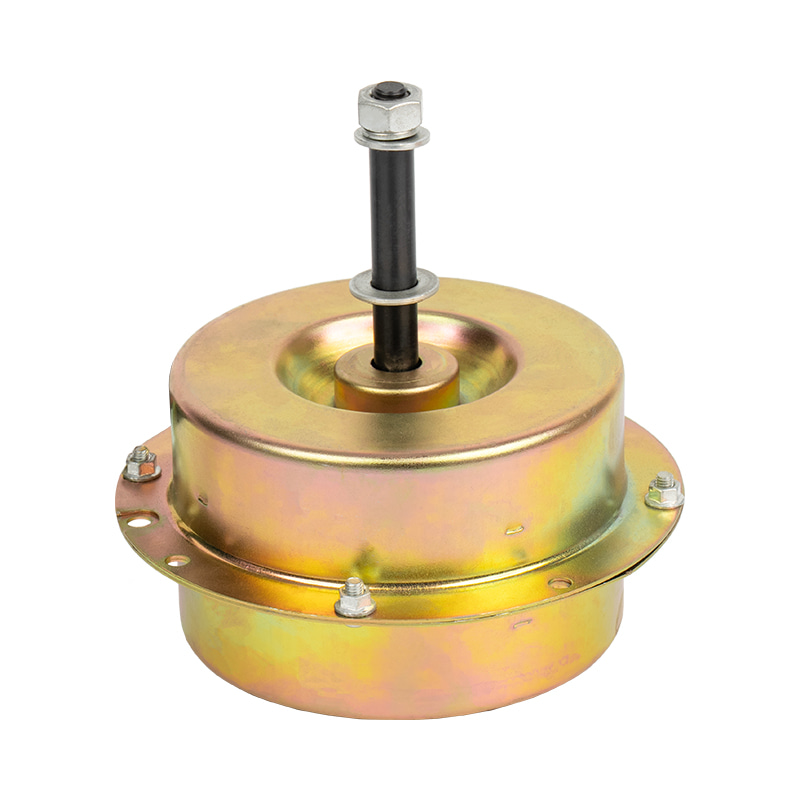
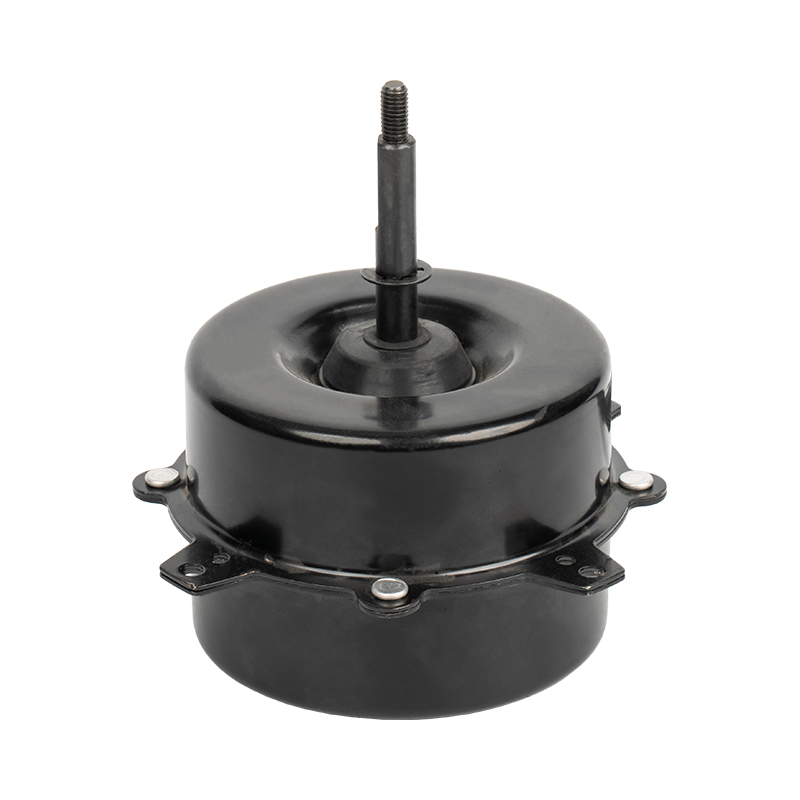
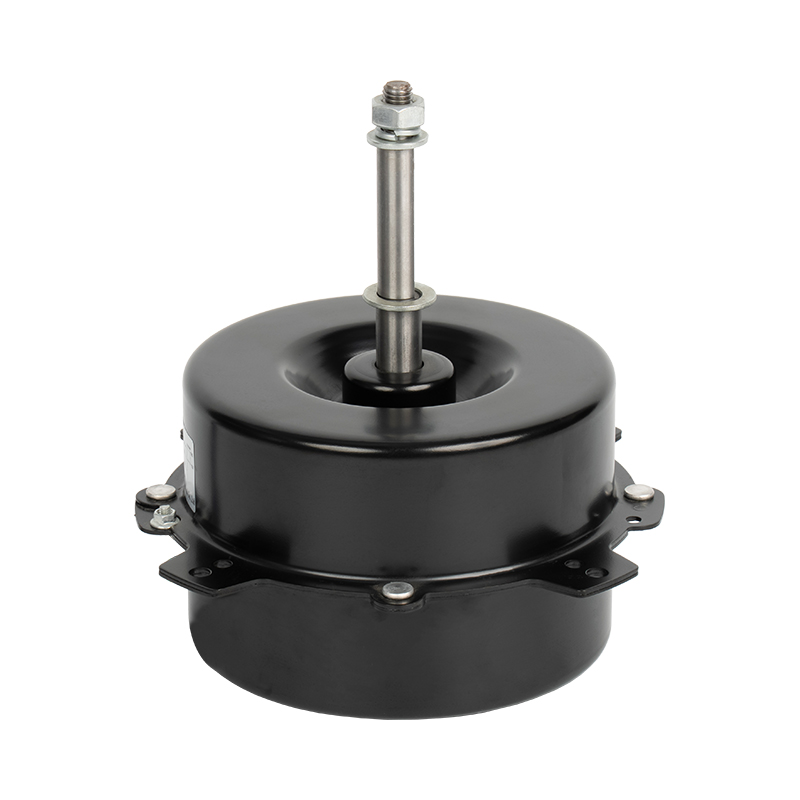
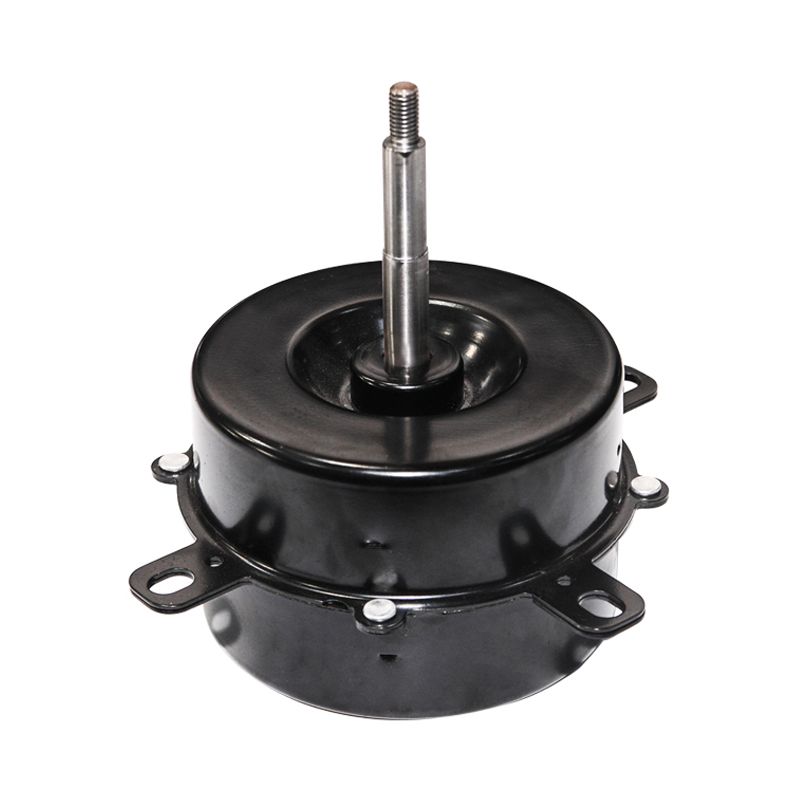
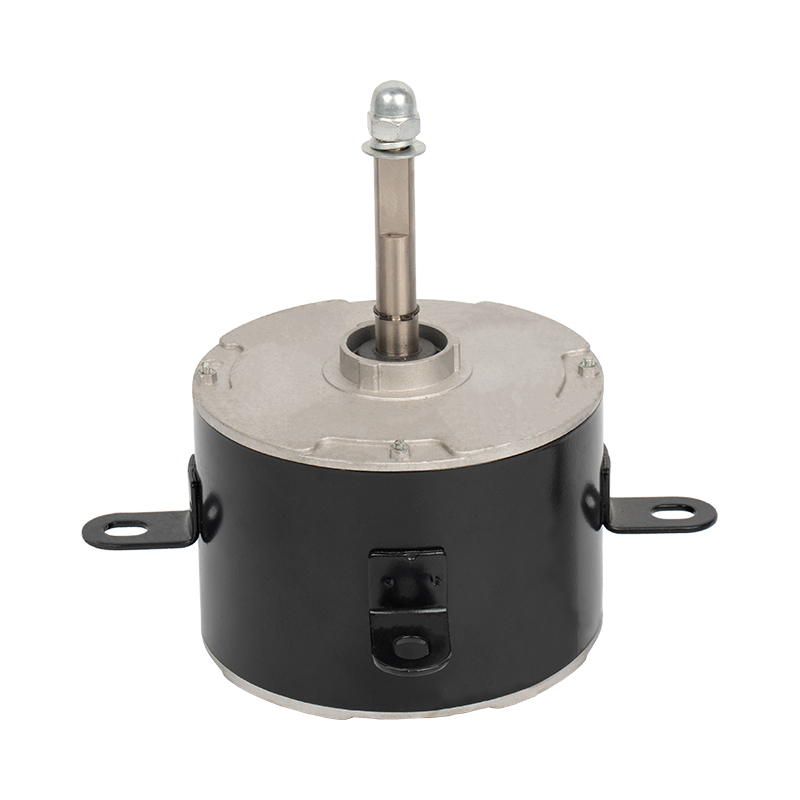
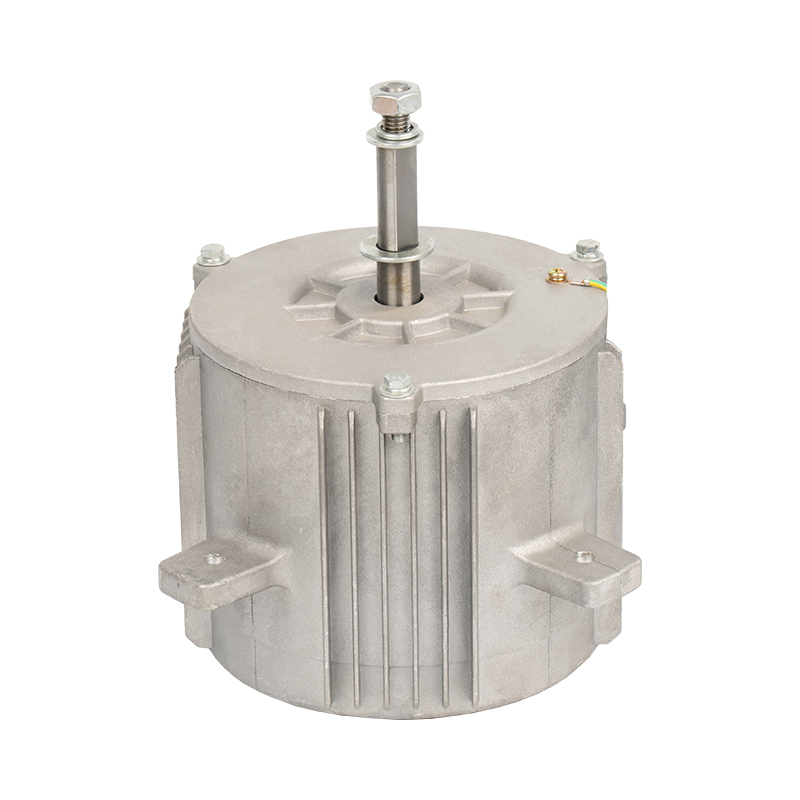
Tower fan motors share design principles with several other household and light-industrial motors. Reviewing related motor categories can help when comparing noise levels, power ratings, or sourcing a replacement part.
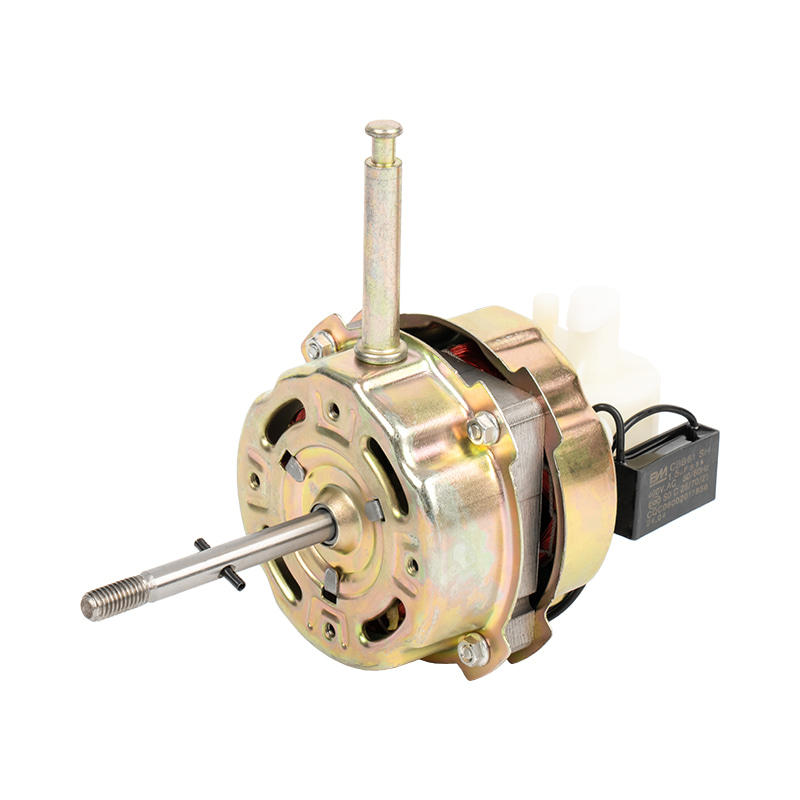
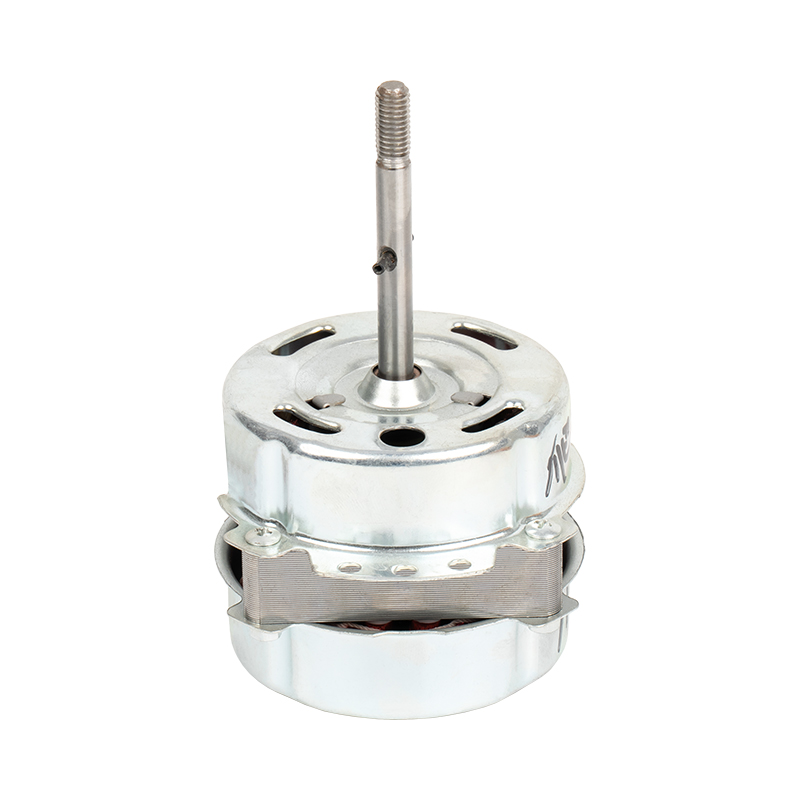
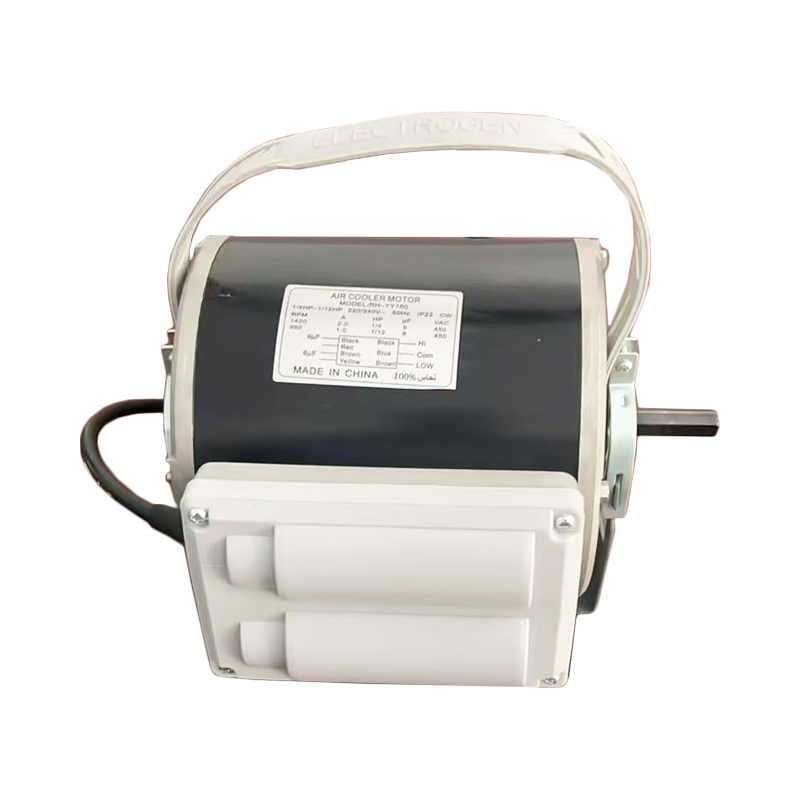
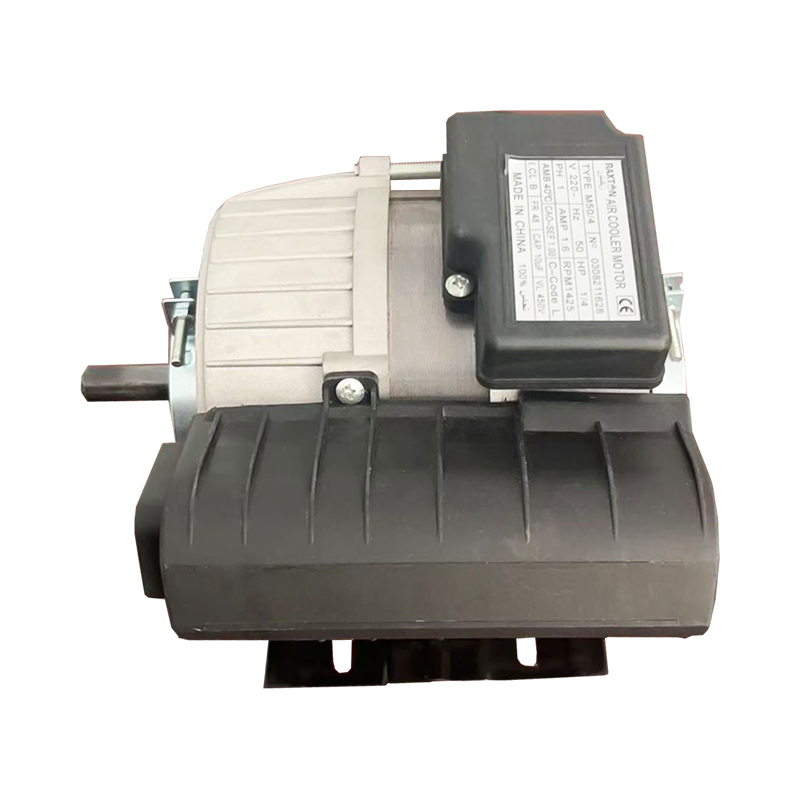
Blade Imbalance, Debris and Obstruction
The motor is not always the source, even when noise seems to come from that part of the fan. Dust build-up on the crossflow impeller, a stray fiber wrapped around the blade wheel, or a bent blade section can throw the rotating assembly out of balance. An unbalanced wheel produces a whining or fluttering pitch that rises and falls with fan speed, sometimes accompanied by light vibration you can feel through the housing.
Removing the front grille every two to three months and clearing dust from the wheel and motor housing prevents this buildup from starting in the first place, and it also protects the motor from overheating, since trapped dust reduces airflow around the windings.
A Simple Diagnostic Checklist
Working through these steps in order usually narrows the cause within a few minutes:
| Step | What to Check | What It Tells You |
|---|---|---|
| 1 | Rotate the blade wheel by hand with power off | Grinding or resistance points to bearing wear |
| 2 | Press lightly on the outer housing while running | Sound change indicates loose mounting or resonance |
| 3 | Compare noise at low, medium and high speed | Noise rising sharply at top speed suggests motor type or imbalance |
| 4 | Inspect the wheel and inlet for dust or debris | Confirms an obstruction rather than a motor fault |
| 5 | Test the run capacitor with a multimeter, if AC type | A degraded capacitor causes stalling or buzzing sounds |
Practical Steps to Reduce Motor Noise
- Apply a small amount of motor-grade lubricant to accessible bearings every six months of regular use.
- Tighten all motor mounting screws and inspect brackets for hairline cracks during routine cleaning.
- Keep the blade wheel and inlet grille free of dust by cleaning every two to three months.
- Avoid running the fan continuously for more than eight hours; intermittent rest reduces heat-related wear.
- Store the fan in a dry, ventilated space during the off season to prevent moisture from reaching the windings.
Deciding Between Repair and Replacement
Lubrication and tightening solve the majority of early-stage noise complaints, but a motor that shows burned windings, a stuck rotor, or a winding resistance reading of zero or infinite ohms on a multimeter has failed and needs replacement rather than repair. For units still within a reasonable service life, replacing just the motor assembly is usually more economical than buying a new fan, particularly for mid-range and higher-power models in the 40 to 60 watt range.
Sourcing a Quieter Replacement Motor
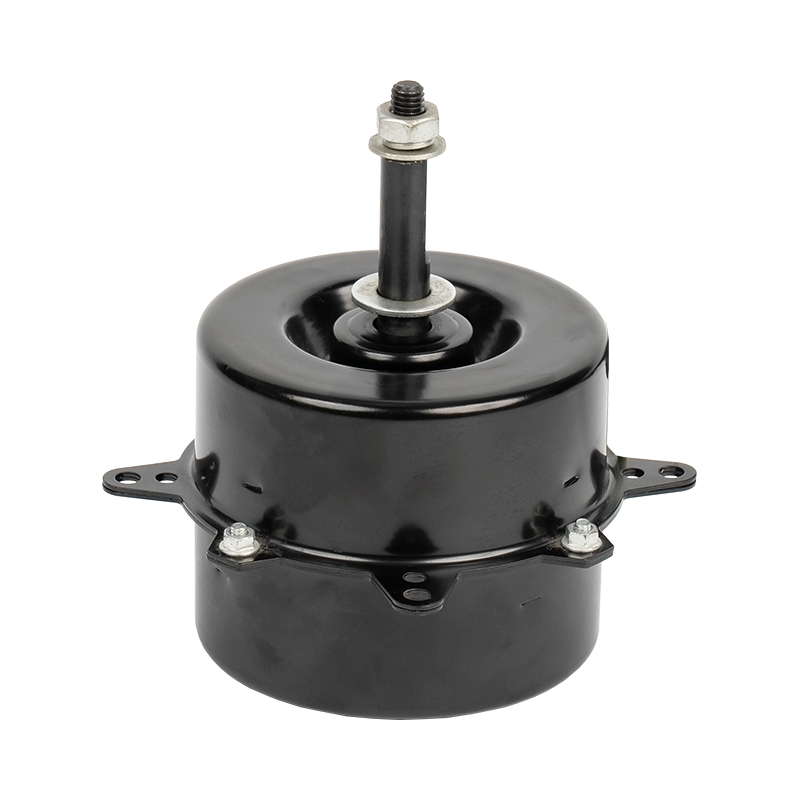
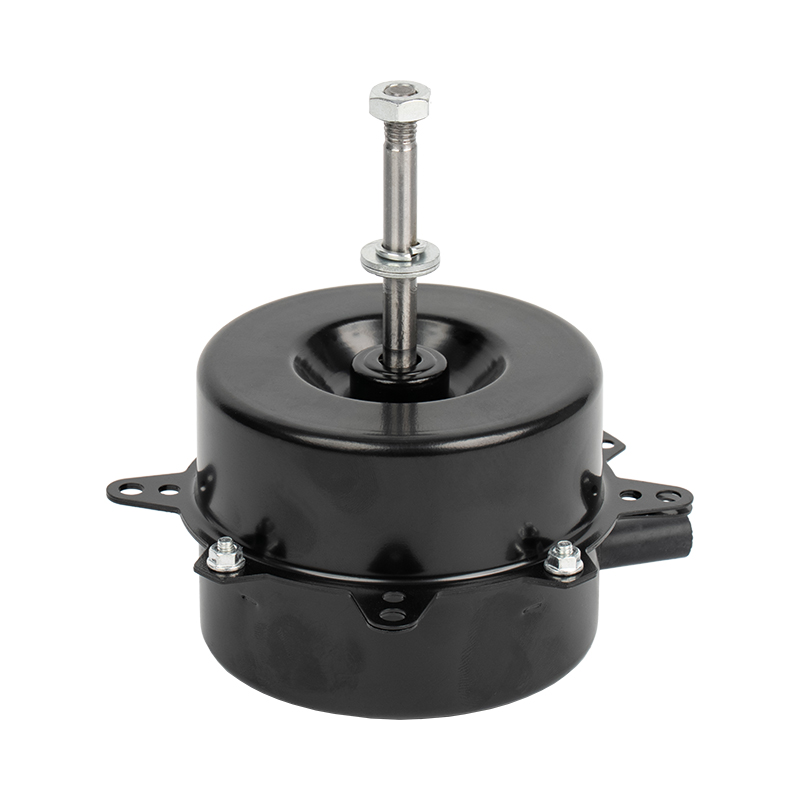
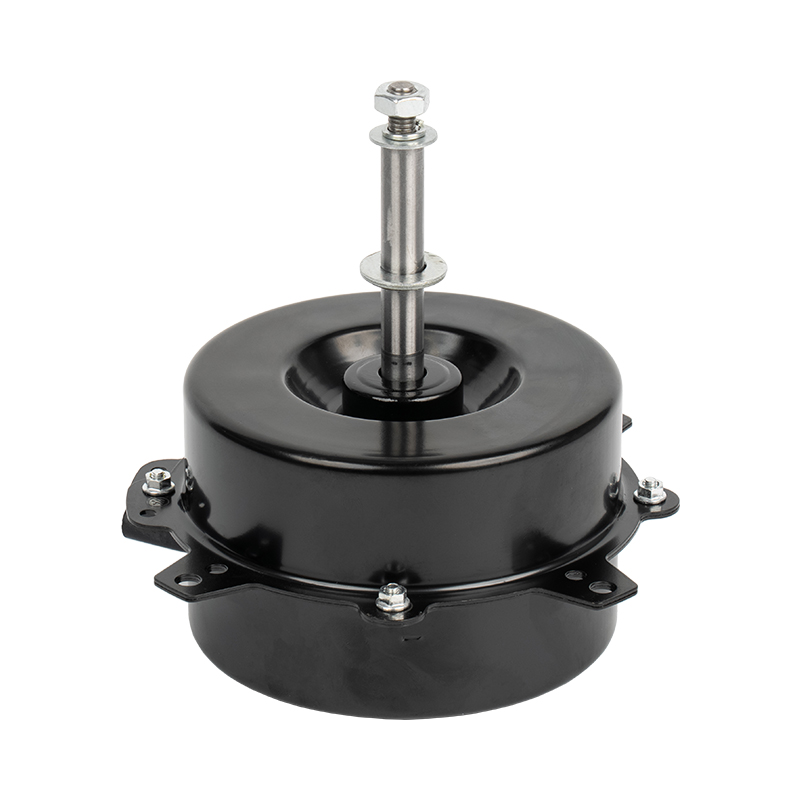
When a replacement is the right call, motor type matters as much as fit. A brushless DC unit typically costs 10 to 20 percent more than an equivalent AC motor but delivers lower operating noise, stepless speed control, and meaningfully lower running costs over its service life. Buyers sourcing directly from a motor factory can usually specify shaft length, mounting bracket type, and speed range to match the original part exactly, which avoids the fit and resonance issues that come with a generic replacement. This same sourcing approach applies across related product lines, including blower motor, range hood motor, air conditioner motor, air cooler water pump, wall breaking machine motor, washing machine motor, and industrial air purifier motor assemblies, where matching the original specification is equally important for quiet, reliable operation.





 Home
Home  Tel.: +86-13819807486
 Whatsapp:+86 13819807486
 E-mail:


