


 简体中文
简体中文
 English
  عربى
عربى Content
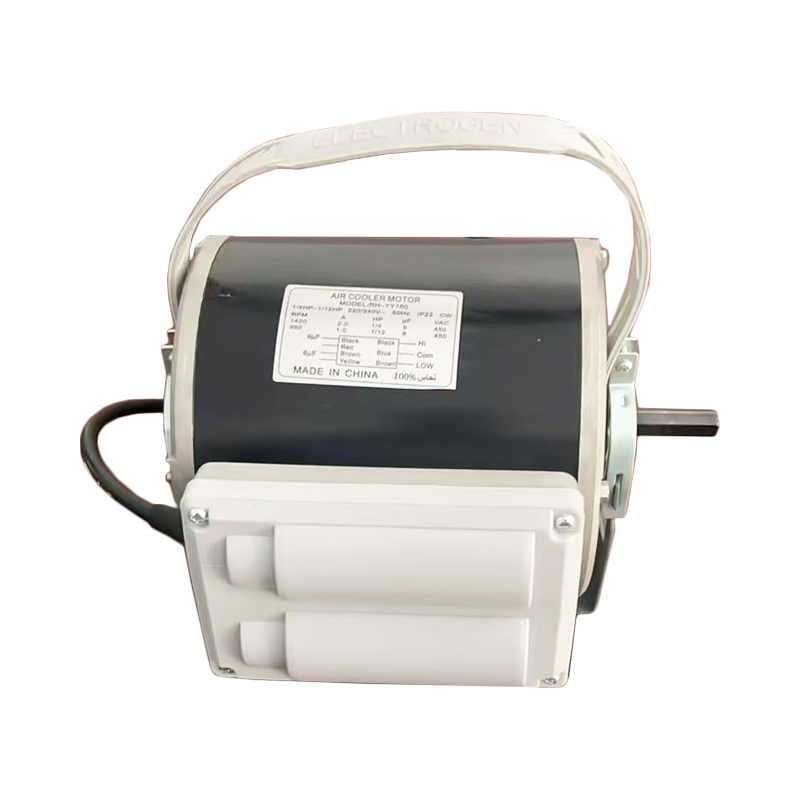
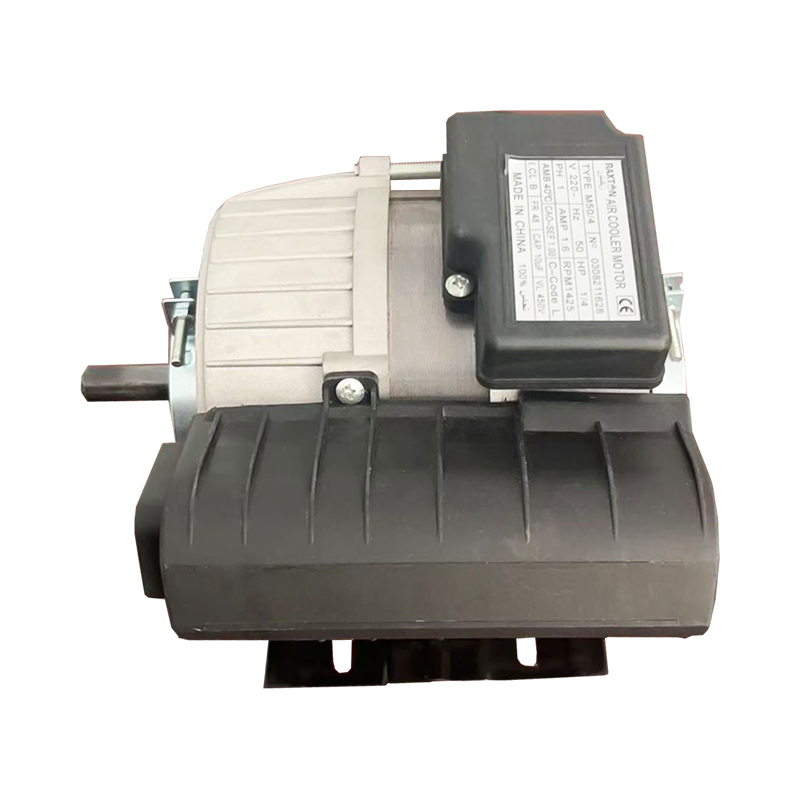
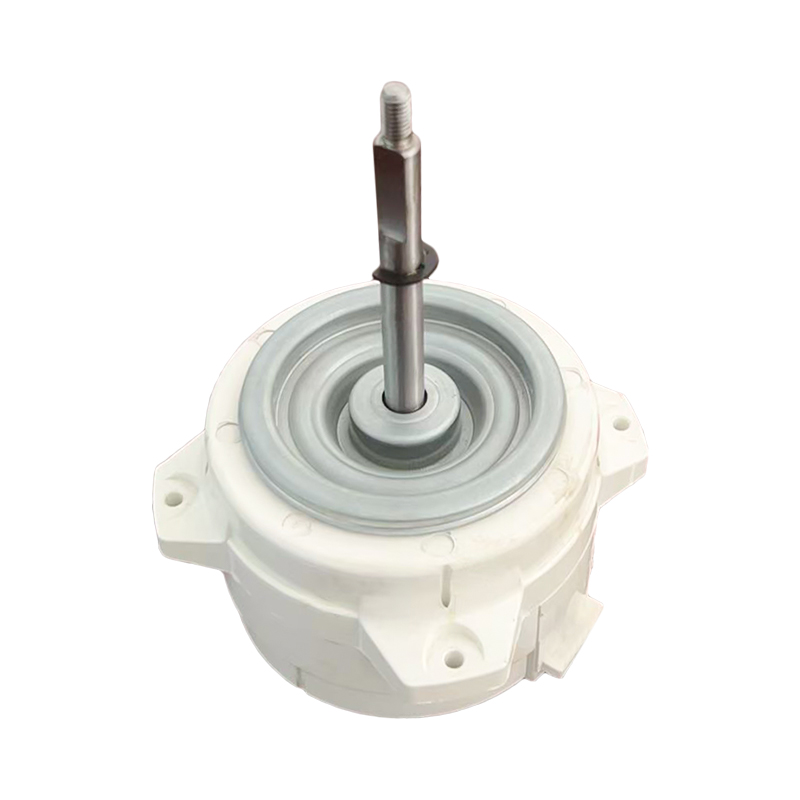
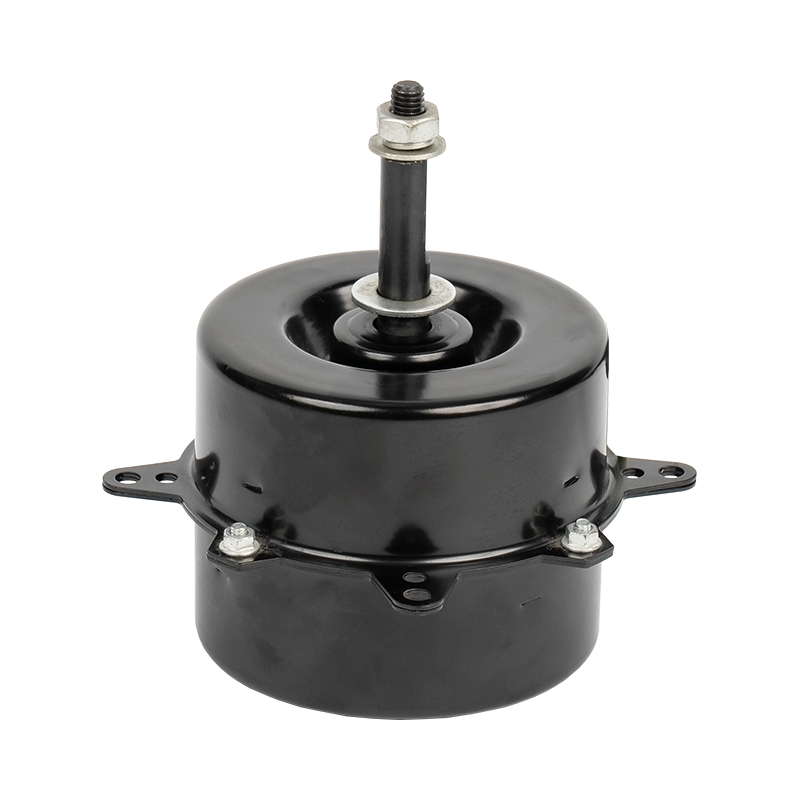
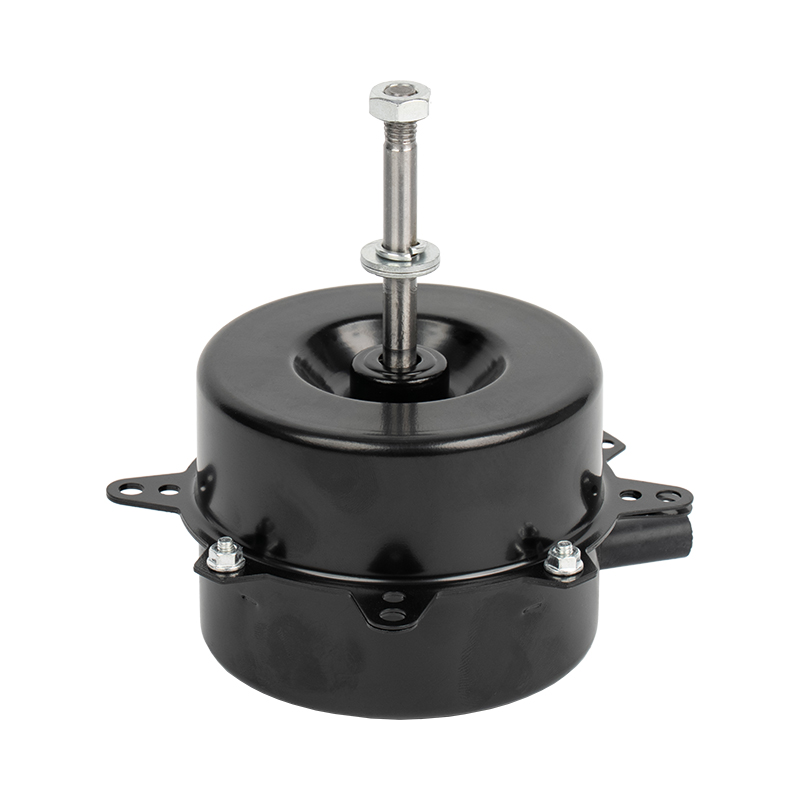
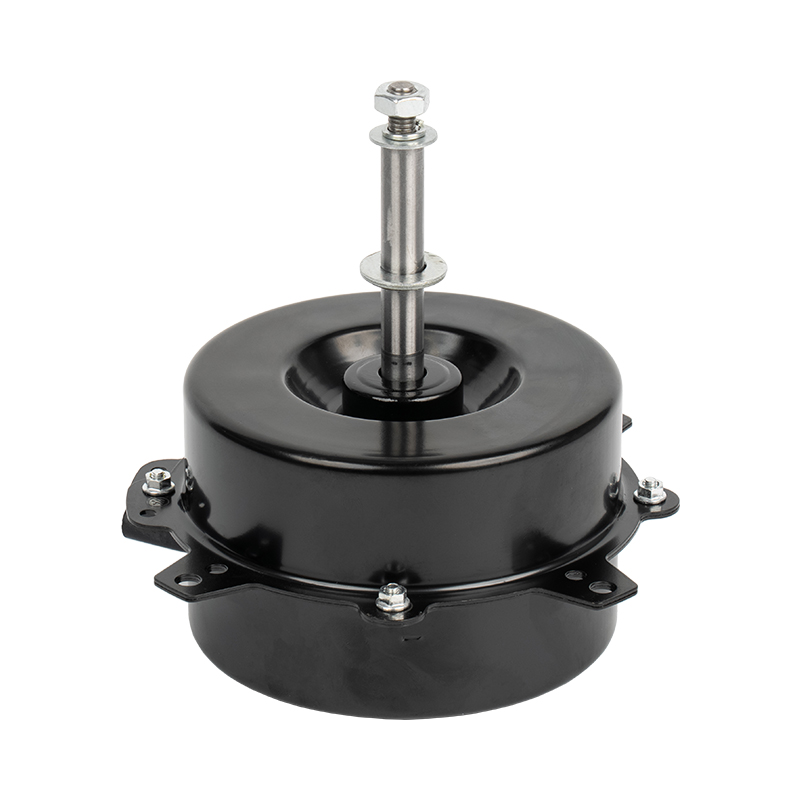
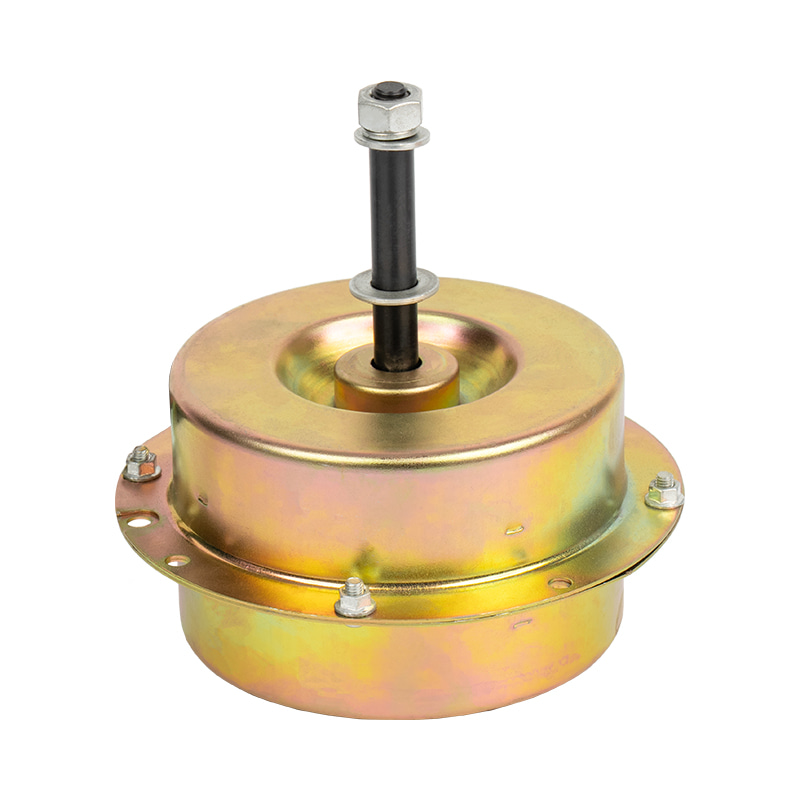
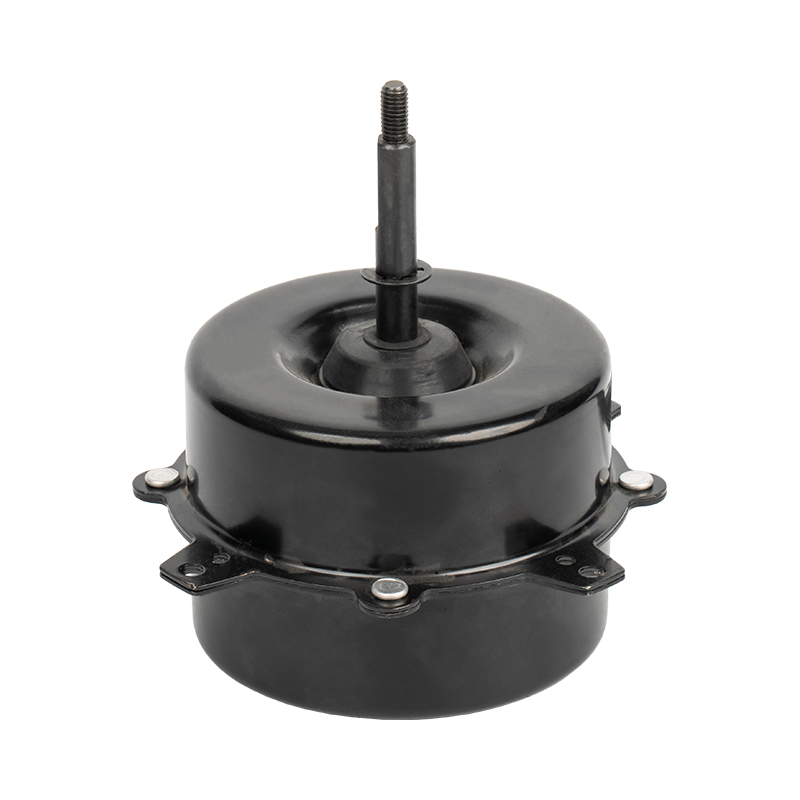
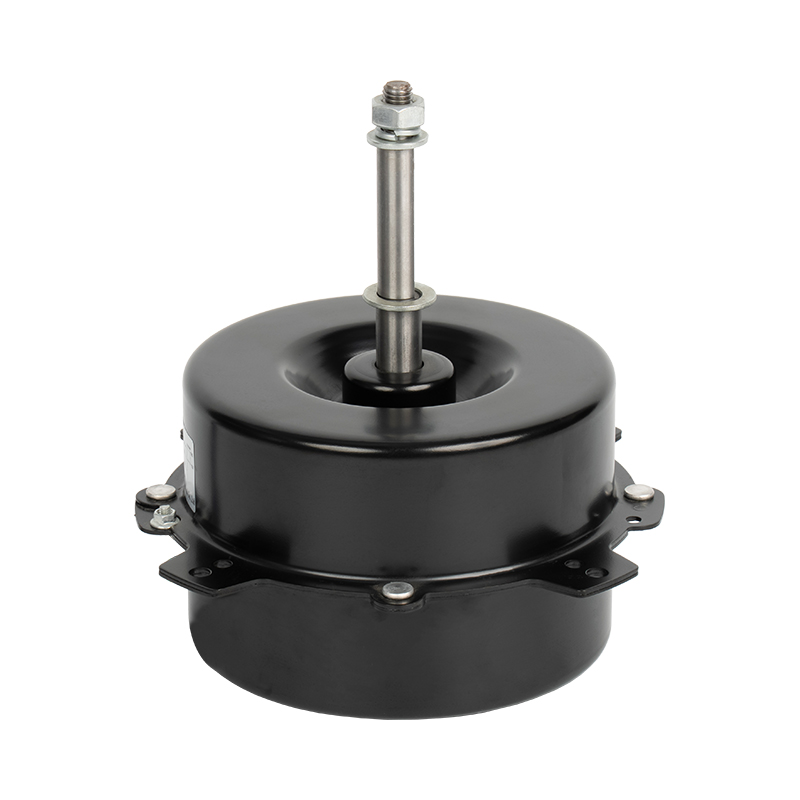
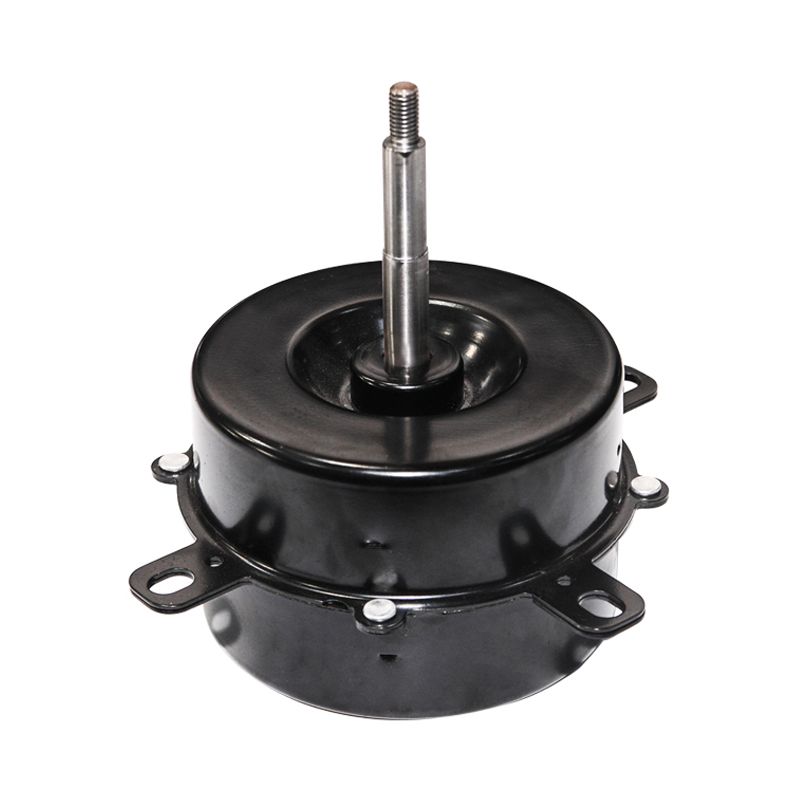
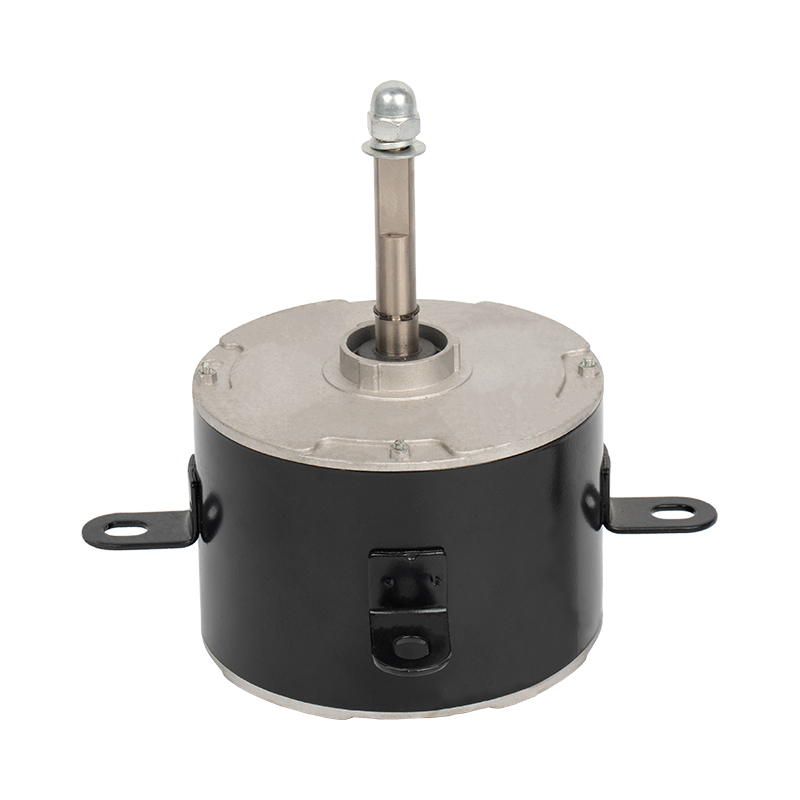
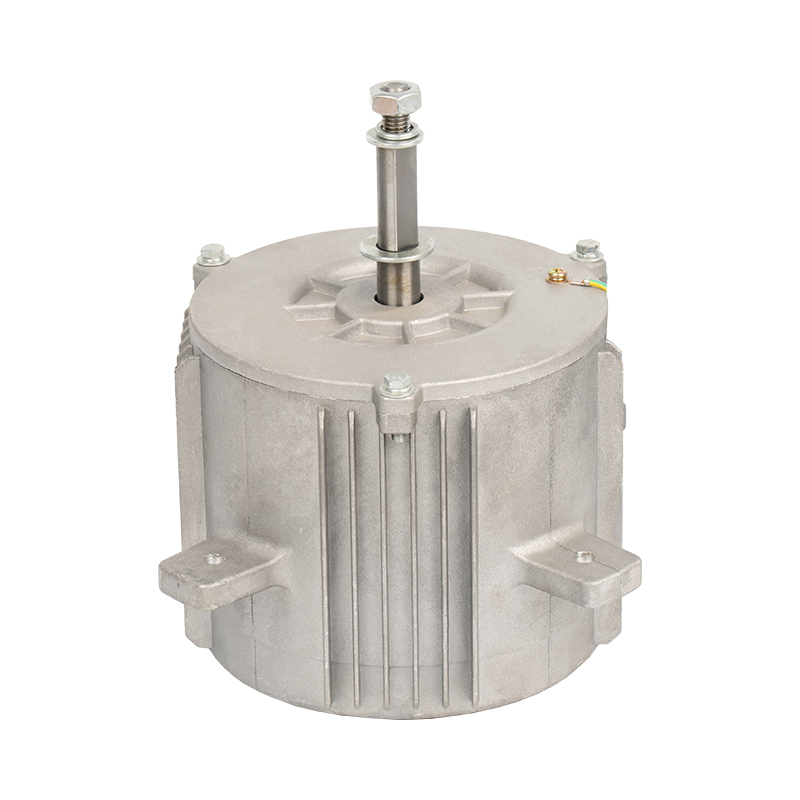
A tower fan motor is the core electromechanical component responsible for converting electrical energy into rotational mechanical energy to spin the fan blades (or impellers). It is specifically designed to fit within the slim, vertical form factor of a tower fan, prioritizing a balance between power, quiet operation, and energy efficiency. Unlike traditional fans, these motors often power a centrifugal or cross-flow fan system to generate a streamlined, oscillating airflow.
Core Functions and Operating Principles
The primary function of the motor is to drive the fan's internal mechanism. However, in modern tower fans, the motor's role extends beyond simple rotation.
1. Airflow Generation
The motor spins a cylindrical "cross-flow fan" or "impeller." This design draws air in from the sides and pushes it out through the front, creating a wide, consistent sheet of air. A typical tower fan motor operates at speeds ranging from 800 to 1400 RPM to achieve effective air circulation.
2. Oscillation Mechanism
Many tower fans utilize a separate, smaller synchronous motor or a geared mechanism attached to the main motor to control the oscillation (side-to-side movement). This distributes air across a wider area, typically covering an angle of 60 to 90 degrees.
Types of Tower Fan Motors: AC vs. DC
The choice of motor technology directly impacts performance, noise, and energy bills. There are two dominant types used in the industry today.
- AC Shaded Pole Motors: These are traditional, cost-effective motors. They are simple in design but tend to be less energy-efficient and louder. They generally consume between 40 to 60 watts of power.
- DC (BLDC) Motors: Brushless DC motors are the modern standard for high-efficiency fans. They use permanent magnets and electronic control, resulting in up to 50% less energy consumption compared to AC motors. A DC motor might only use 20 to 30 watts at maximum speed, offering significant long-term savings.
| Feature | AC Motor | DC Motor (BLDC) |
|---|---|---|
| Power Consumption | 40-60W | 20-35W |
| Noise Levels | Moderate to High | Low to Silent |
| Speed Control | Limited Steps | Infinite/Variable |
Key Specifications and Quality Indicators
When evaluating or manufacturing a tower fan motor, specific metrics determine its quality and suitability. Manufacturers like Cixi Xinhao Motor Co., Ltd., with their dedicated R&D department and advanced instruments, focus on these critical parameters:
1. Insulation Class
This indicates the motor's ability to withstand heat. Most quality tower fan motors use Class B (130°C) or Class F (155°F) insulation, ensuring longevity even during extended use.
2. Bearing System
The type of bearing is crucial for noise and lifespan. High-quality motors utilize self-lubricating bearings or ball bearings, which can operate silently for over 20,000 hours. Inferior sleeve bearings may wear out and cause rattling noises much sooner.
Frequently Asked Questions (FAQs)
Q: How do I know if my tower fan motor is burned out?
A: Common signs include a complete failure to start, a burning smell emanating from the unit, or the fan spinning very slowly while humming loudly. If the fan can be spun manually with a stick (when unplugged) but won't start on its own, the motor's start winding may be damaged.
Q: Can a tower fan motor be repaired or replaced?
A: Technically yes, but practically it's often complex due to the compact design. However, for manufacturers and suppliers, sourcing a custom tower fan motor from a specialized factory like Cixi Xinhao Motor Co., Ltd. is the standard practice for production and assembly line repairs.
Q: Why is my tower fan motor making a rattling noise?
A: Noise is often mechanical. It could be due to worn-out motor bearings, an unbalanced impeller, or debris caught in the mechanism. For DC motors, electronic switching can sometimes cause a high-pitch whine at certain speeds.
Q: What is the typical lifespan of a quality tower fan motor?
A: With proper maintenance, a well-built motor from a dedicated manufacturer should last between 5 to 10 years. This durability is a result of rigorous design and testing, such as that performed by companies with advanced instrument equipment and complete quality systems.
The Manufacturing Landscape: A Case Study
The quality of a tower fan motor is intrinsically linked to its design and production environment. For instance, Cixi Xinhao Motor Co., Ltd., located in Cixi—a major hub for electrical appliance production—exemplifies the standards required for modern motor manufacturing. Situated strategically with access to major cities like Ningbo and Shanghai, the company leverages its location for superior transportation resources. Covering an area of nearly 5,000 square meters and employing a team of 150, including 10 technical personnel, they focus on the design, development, and production of motors. Their philosophy, relying on science and technology for development and providing users with satisfactory high-tech products, ensures that each motor meets rigorous standards for performance and reliability.


 Home
Home  Tel.: +86-13819807486
 Whatsapp:+86 13819807486
 E-mail:


