


 简体中文
简体中文
 English
  عربى
عربى Content
Immediate Answers: What to Do When Your AC Motor Won't Start
If your air conditioner motor refuses to start, follow this three-step emergency protocol before calling a technician:
- Check the thermostat batteries and ensure it is set to "cool" with the temperature below the current room temperature.
- Inspect your circuit breaker for tripped switches and reset them if necessary.
- Examine the air filter—if it is clogged or dirty, replace it immediately, as restricted airflow can cause the system to shut down to protect the motor.
If these steps do not resolve the issue, the problem likely involves a failed capacitor, faulty contactor, or motor failure—all of which require professional diagnosis. According to troubleshooting data, electrical issues and capacitor failures account for the majority of startup failures in residential AC units. [^7^]
| Possible Cause | Symptoms | DIY Solution | Professional Required? |
|---|---|---|---|
| Electrical Issues | AC hums but doesn't start | Check breakers, replace fuse | Sometimes |
| Failed Capacitor | Fan or compressor won't run | Replace capacitor | Yes, unless experienced |
| Faulty Contactor | No response, clicking sound | Inspect/replace relay | Usually |
| Thermostat Issues | No call for cooling | Recalibrate or replace | Sometimes |
| Motor Failure | Buzzing, no fan movement | Inspect; often replace | Yes |
Critical safety note: Never attempt to repair electrical components yourself if you are not trained—faulty wiring and capacitors can pose fire hazards and void your warranty. [^13^]
What Is an Air Conditioner Motor?
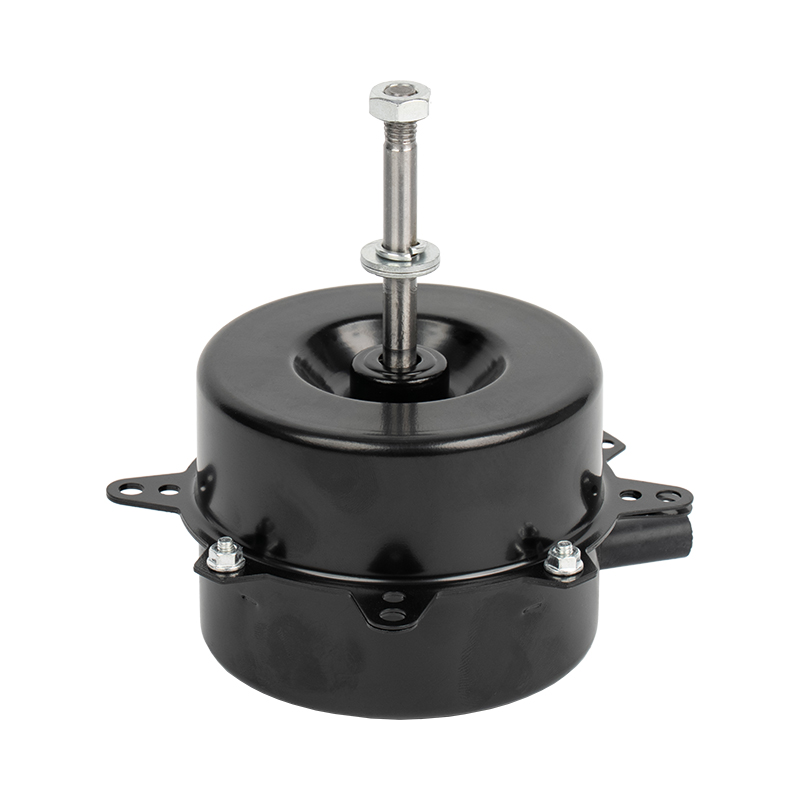
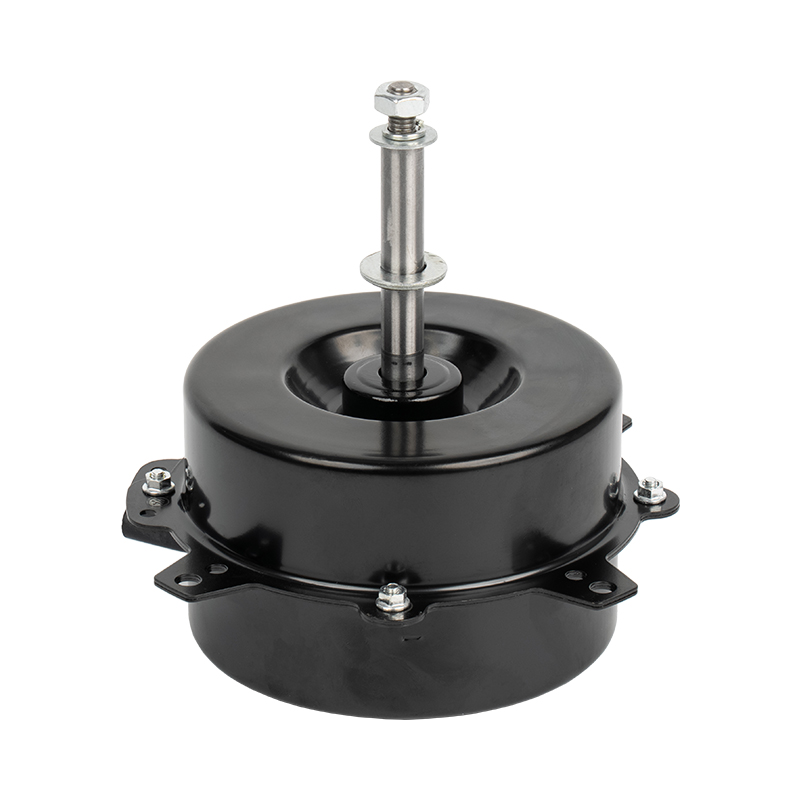
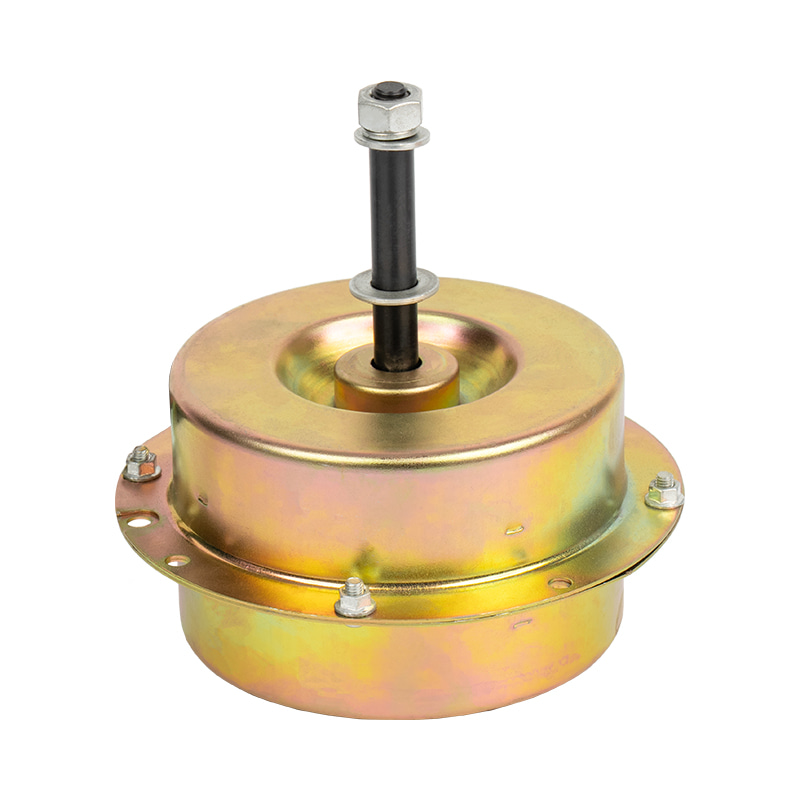
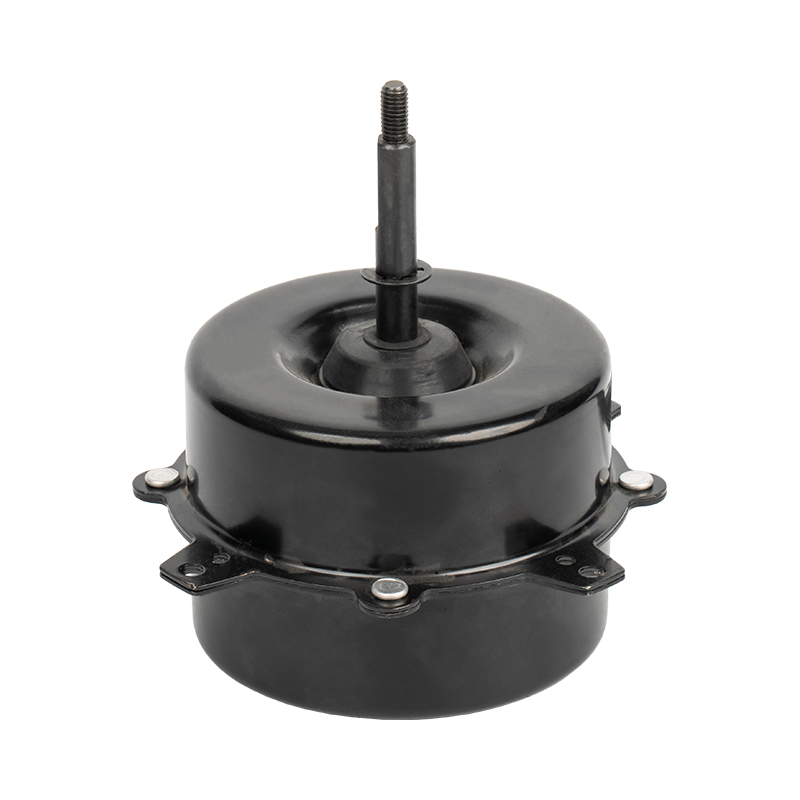
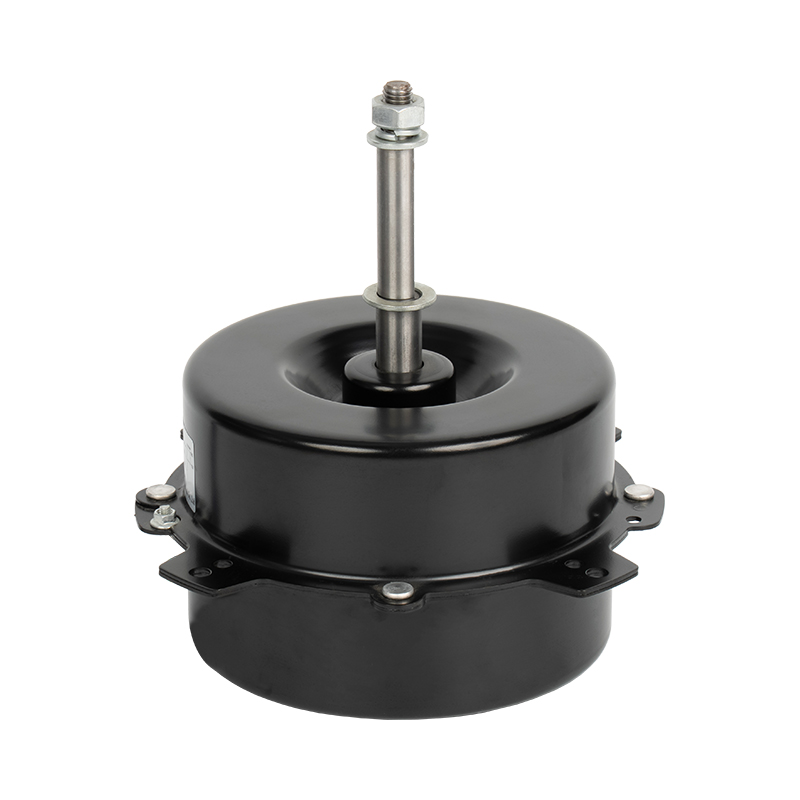
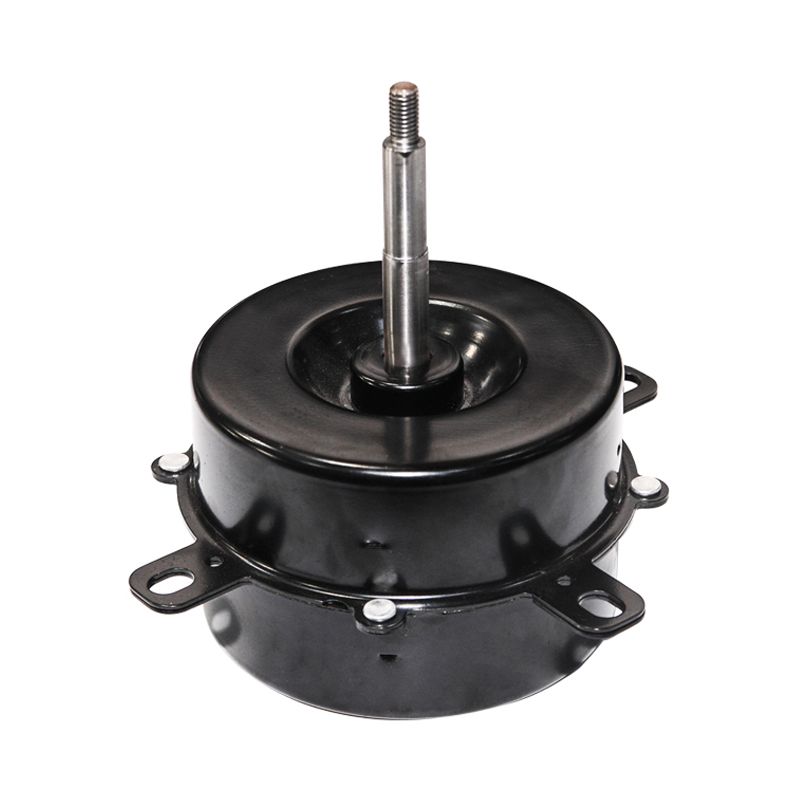
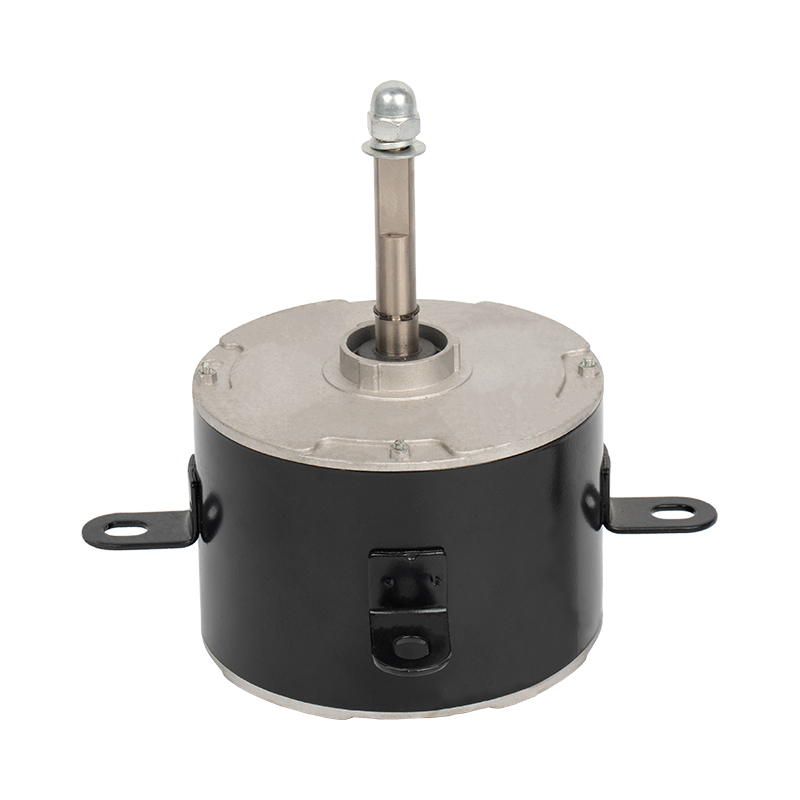
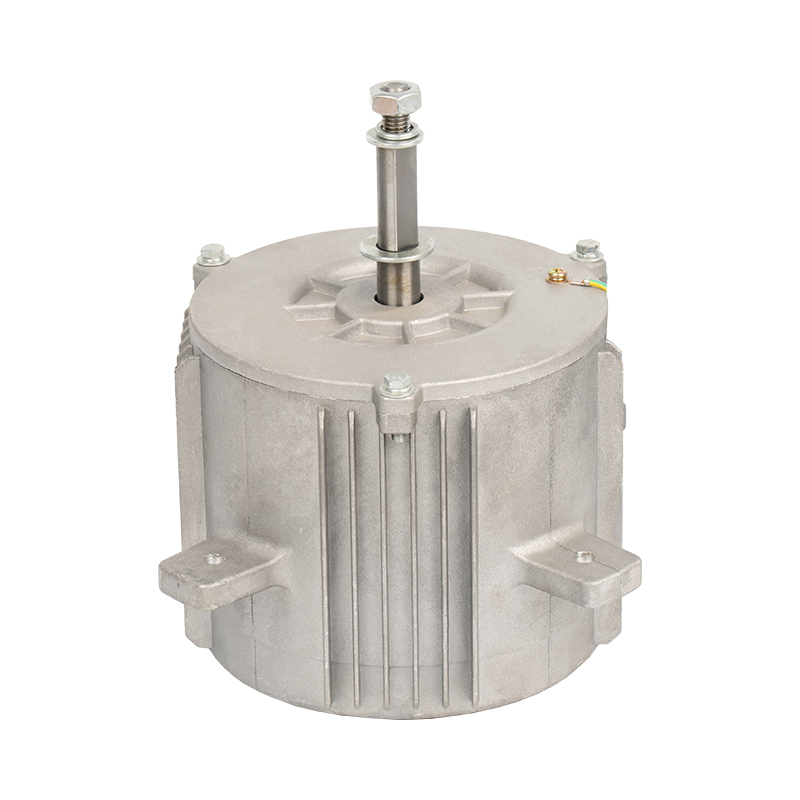
An air conditioner motor is the electromechanical component responsible for converting electrical energy into mechanical rotation to drive the compressor, condenser fan, and blower. Without a functioning motor, your AC unit cannot circulate refrigerant or move air, rendering the entire system inoperable.
Main Types of AC Motors
Residential air conditioners typically use four main types of single-phase AC motors, each with distinct characteristics: [^15^]
- Split-Phase Motors: The simplest design with RUN and START windings connected in parallel. Typically used in small pumps and fans below 1 horsepower. They have low starting torque but high starting current, with speeds of 1,725 rpm or 3,450 rpm under load. A centrifugal switch disconnects the START winding at 75% of rated speed to prevent overheating.
- Capacitor-Start Motors: Similar to split-phase but include a START capacitor to provide higher starting torque. The capacitor disconnects via a centrifugal switch once the motor reaches operating speed.
- Capacitor-Start, Capacitor-Run Motors: Feature both a START and a RUN capacitor. The START capacitor disconnects at 75% speed, while the RUN capacitor remains in circuit to improve power factor and efficiency. These motors can handle up to 10 horsepower and are among the most efficient for HVAC applications.
- Permanent Split Capacitor (PSC) Motors: The most common type in modern residential HVAC systems. A single RUN capacitor stays permanently connected to both windings, eliminating the need for a centrifugal switch. PSC motors operate at 75-85% efficiency with a power factor above 0.8 at full load, making them reliable for continuous-duty applications like fan coil units and blowers. [^23^]
Motor Specifications and Applications
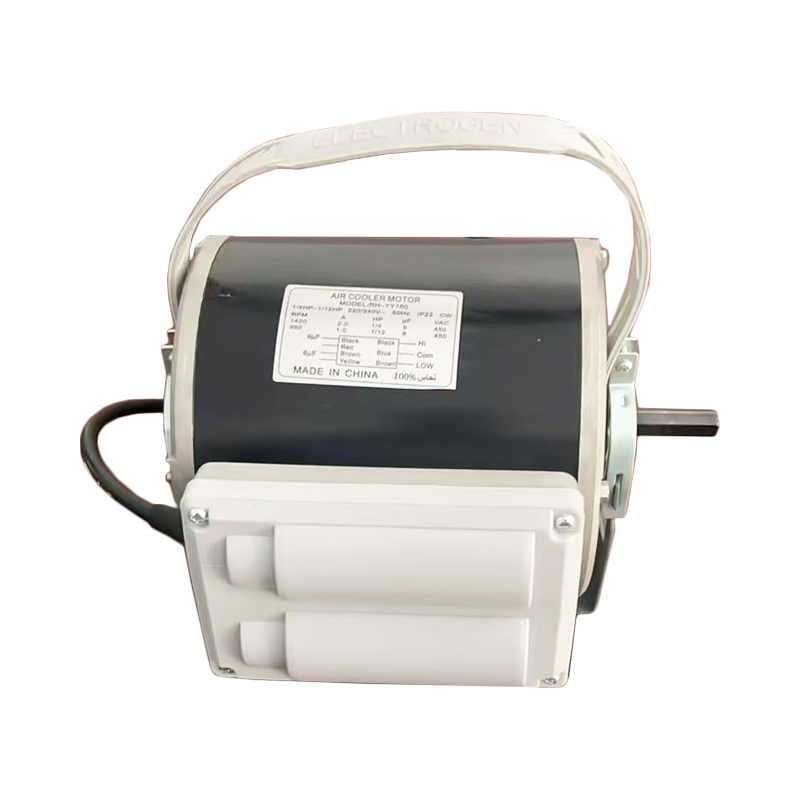
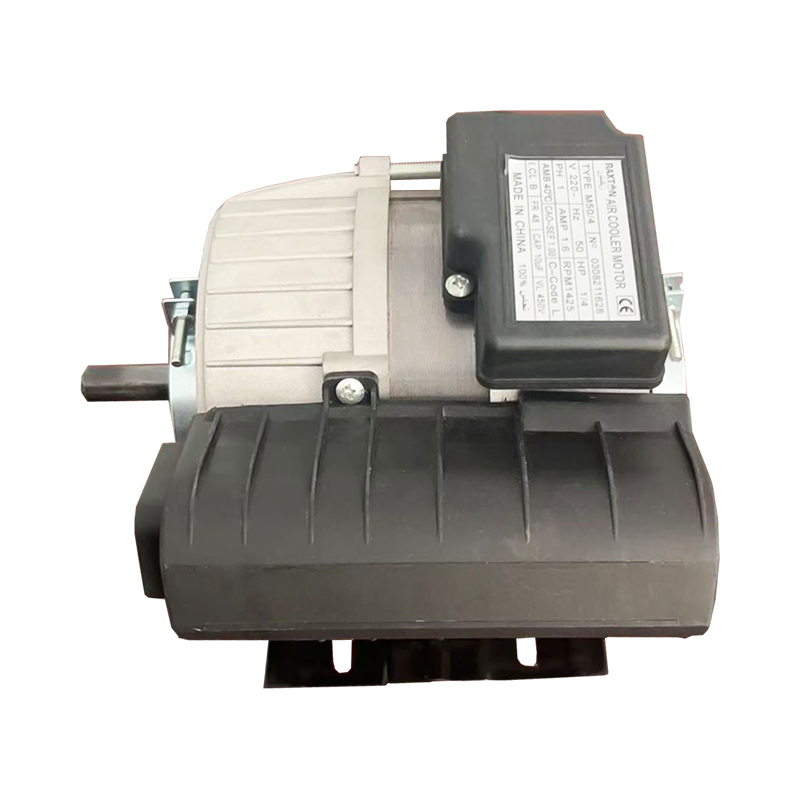
A typical PSC motor used in residential air handlers has the following specifications: 1/8 to 1/3 HP, 115-230 Volts AC, 1,500 RPM, sealed ball bearings, and a 15 µF capacitor. These motors are specifically designed for low to moderate starting torque applications where reliability and quiet operation are essential. [^20^]
Modern high-efficiency systems are increasingly replacing standard PSC motors with Electronically Commutated Motors (ECM), which offer variable speed control, lower energy consumption, and quieter operation—though at a higher initial cost. [^19^]
Why Is My Air Conditioner Making Unusual Noises?
Unusual noises from your air conditioner are early warning signs of mechanical or electrical problems. A healthy unit produces a consistent, low hum during operation—any deviation warrants immediate attention to prevent costly damage. [^1^]
Decoding Common AC Motor Noises
Different sounds indicate specific motor-related issues:
- Buzzing or Humming: Often signals electrical problems such as a failing capacitor, loose wiring, or a stalled fan motor. If the unit hums but the fan does not move, the capacitor or motor may be defective. Turn off the system immediately and call a technician. [^5^]
- Squealing or Screeching: High-pitched sounds typically originate from the blower motor or fan belt. Worn motor bearings, misaligned belts, or a failing fan motor are the usual culprits. In outdoor units, a brief 15-second screech at startup may indicate high refrigerant pressure in the compressor—shut off the unit immediately to prevent damage. [^6^]
- Rattling or Clanking: Usually caused by loose screws, bolts, or debris inside the unit. If tightening visible hardware does not resolve the issue, internal motor mounts or fan blades may be loose, requiring professional inspection. [^9^]
- Grinding: This serious sound almost always indicates mechanical wear, specifically worn motor bearings. If caught early, a technician may only need to replace the bearings; if ignored, a full motor replacement becomes necessary. [^6^]
- Clicking: Occasional clicking at startup or shutdown is normal, but constant clicking suggests a failing thermostat, defective control board, or faulty relay. [^13^]
Noise Source and Severity Assessment
| Noise Type | Likely Source | Severity | Immediate Action |
|---|---|---|---|
| Buzzing/Humming | Capacitor, electrical wiring, motor stall | High | Turn off power; call technician |
| Squealing/Screeching | Blower motor bearings, fan belt, compressor pressure | High | Shut off unit immediately |
| Rattling | Loose hardware, debris, unbalanced fan | Moderate | Tighten screws; clear debris; if persists, call pro |
| Grinding | Worn motor bearings | Critical | Immediate shutdown; professional repair |
| Thumping | Unbalanced blower wheel, loose motor mounts | Moderate | Turn off; inspect blower wheel; call technician |
Key insight: Addressing unusual noises within the first 24-48 hours can prevent minor issues from escalating into full motor replacements, which can cost between $300 and $700 including labor. [^29^]
FAQ About Air Conditioner Motors
How Long Does an AC Motor Last?
With regular maintenance and ideal operating conditions, an AC fan motor typically lasts 10 to 15 years. Factors that reduce lifespan include dirty air filters, restricted airflow, voltage fluctuations, and lack of lubrication. Motors operating in high-static-pressure environments (undersized ductwork) tend to overheat and fail prematurely. [^29^]
Can I Repair a Motor Instead of Replacing It?
Minor issues such as loose connections or debris removal can be repaired DIY. However, if the motor windings are burned out, bearings are seized, or the shaft is damaged, replacement is more cost-effective than repair. A new PSC motor costs $100-$300 for the part alone, while ECM motors range from $200-$600. [^29^]
Why Does My Motor Keep Overheating?
Motor overheating is caused by three primary factors: inadequate airflow (dirty filters or blocked coils), electrical issues (low voltage or bad capacitor), and mechanical friction (dry bearings or bent shaft). PSC motors are particularly susceptible to overheating when static pressure increases, causing them to draw higher amperage and generate excess heat. [^19^]
What Is the Difference Between PSC and ECM Motors?
PSC motors operate at fixed speeds (typically 4-speed) with an efficiency rating of approximately 60%. They are simpler, less expensive, and easier to replace but noisier and less efficient. ECM (Electronically Commutated Motor) motors offer variable speed control, operate at 80% efficiency or higher, run quieter, and can reduce energy costs by up to 75% compared to PSC motors—but they cost significantly more upfront. [^19^]
Should I Upgrade from PSC to ECM?
If your PSC motor fails and your budget allows, upgrading to an ECM motor is recommended for long-term energy savings and improved comfort. However, if your system is over 15 years old, investing in a full system replacement may be more economical than upgrading individual components. [^36^]
Preventive Maintenance to Extend Motor Life
Regular maintenance can extend your AC motor's lifespan by 30-50% and prevent the majority of startup failures and noise issues. Follow this checklist: [^30^]
Monthly and Seasonal Tasks (Homeowner)
- Replace or clean air filters every 30-90 days depending on usage and filter type. Dirty filters are the leading cause of motor strain and overheating.
- Clear debris, leaves, and vegetation within a 2-foot radius of the outdoor condenser unit to ensure unrestricted airflow.
- Listen for new or unusual sounds during startup and operation—early detection prevents major repairs.
- Inspect visible wiring and connections for corrosion or damage.
Annual Professional Service
- Lubricate all moving parts, including blower motor bearings and fan assemblies, to reduce friction and electrical consumption. [^30^]
- Tighten electrical connections and measure voltage and current on motors to identify potential failures before they occur.
- Check blower motor amp draw to ensure it operates within manufacturer specifications—abnormal amperage indicates impending failure. [^17^]
- Clean evaporator and condenser coils—dirty coils reduce heat transfer efficiency and force the motor to run longer cycles.
- Inspect and replace worn belts and pulleys to prevent blower motor malfunction and inadequate cooling. [^17^]
- Verify refrigerant levels; low refrigerant causes the system to overwork, increasing motor strain and energy costs by up to 15%. [^30^]
Schedule professional maintenance in spring for cooling systems and fall for heating systems to ensure peak performance when you need it most. [^30^]


 Home
Home  Tel.: +86-13819807486
 Whatsapp:+86 13819807486
 E-mail:


