


 简体中文
简体中文
 English
  عربى
عربى Content
On a Tuesday morning at a food processing plant, a maintenance manager climbs to a rooftop exhaust fan for the third time this year. The belt has stretched, the bearings are running hot, and production is losing 20 minutes of air movement every time the drive slips. That scene explains why the belt drive versus direct drive fan decision is rarely about a spec sheet alone. It is about downtime, energy, noise, and the total cost of keeping air moving.
The short answer: direct drive fans are usually the better choice for new installations that run continuously, need precise speed control, or sit in hard-to-service locations. Belt drive fans still make sense when you need high power in a compact budget, when the motor must be isolated from heat or contamination, or when an existing belt-driven system must be repaired quickly with familiar parts.
Below, we break down how each drive works, where the real costs appear, and how to match the drive to equipment such as air coolers, blowers, and industrial air purifiers.
How Belt Drive and Direct Drive Fans Actually Work
In a belt drive fan, the motor sits beside or below the fan shaft. A set of pulleys and one or more V-belts transfer torque from the motor to the fan. The pulley ratio sets the fan speed, so a small change in pulley size can change airflow without changing the motor. That flexibility is why belt drives dominated large industrial fans for decades.
A direct drive fan connects the motor shaft directly to the fan wheel. No belts, no pulleys, no tension adjustment. The fan speed is controlled electronically, often with an EC motor or a variable frequency drive (VFD). This arrangement removes several wear points at once.
| Factor | Belt Drive | Direct Drive |
|---|---|---|
| Main wear parts | Belts, pulleys, bearings, tensioners | Bearings only |
| Speed adjustment | Pulley change or VFD | Electronic speed control |
| Typical maintenance | Belt tension, alignment, replacement | Bearing lubrication or sealed bearings |
| Energy efficiency | Belt slip and flex losses | No belt losses; higher part-load efficiency |
| Noise and vibration | Belt noise; can isolate motor vibration | Quieter at low speed; motor vibration directly coupled |
| Upfront cost | Lower for high-power fans | Higher for equivalent power |
| Footprint | Wider; motor offset from fan | Compact, in-line layout |
Maintenance and Downtime: The Real Cost Driver
The most visible difference between the two drives is maintenance. A belt drive fan needs periodic inspection. Belts stretch, crack, and glaze. Pulleys wear and lose alignment. Bearings need lubrication. If the fan moves abrasive or high-temperature air, those belts may fail even faster. Each maintenance visit also means a shutdown.
Direct drive fans eliminate belt and pulley maintenance. A sealed bearing motor may run for years with no scheduled belt service. For rooftop units, exhaust fans, and air coolers mounted in difficult locations, that reduction in service calls is often the deciding factor. The maintenance savings can be especially large in continuous processes such as drying, cooling, or industrial air purification.
That does not mean direct drive fans are maintenance-free. Bearings still wear, and electronics can fail. But the failure modes are fewer, and many direct drive motors include protection against overload, over-temperature, and locked rotor. For a maintenance team stretched across multiple sites, fewer wear parts translate into more predictable uptime.
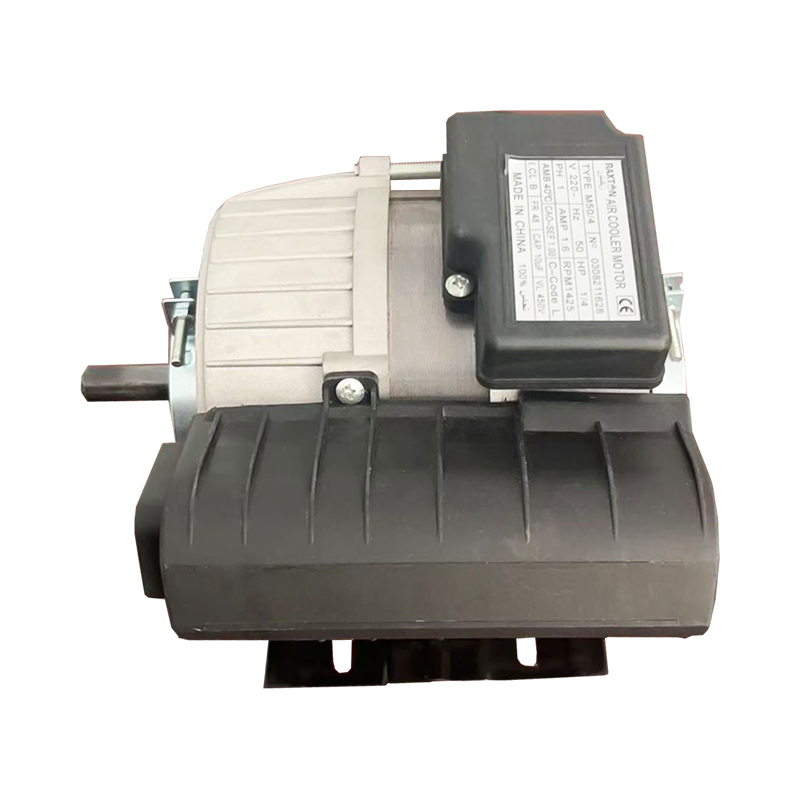
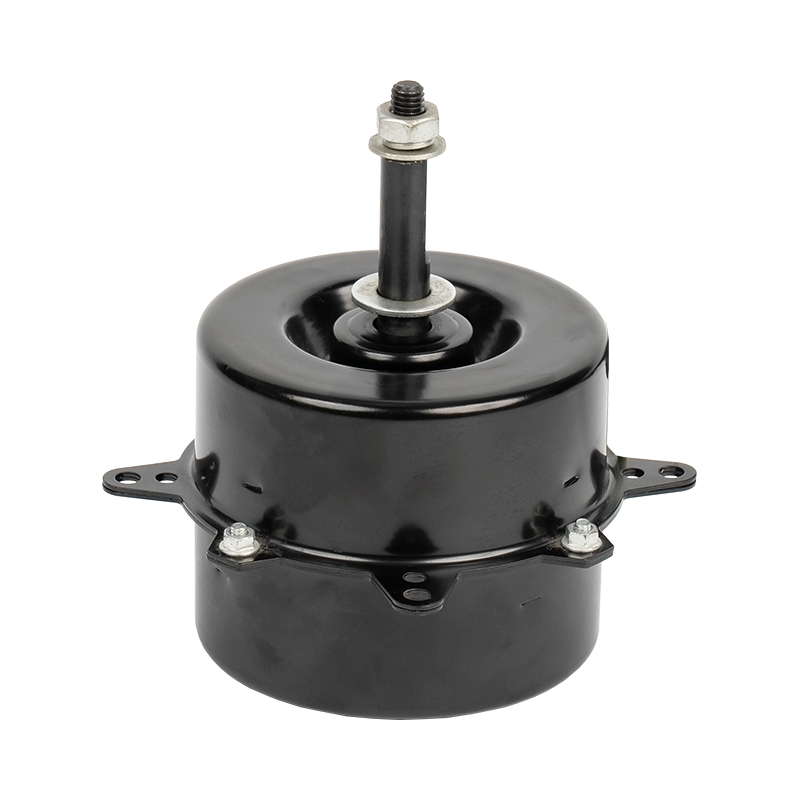
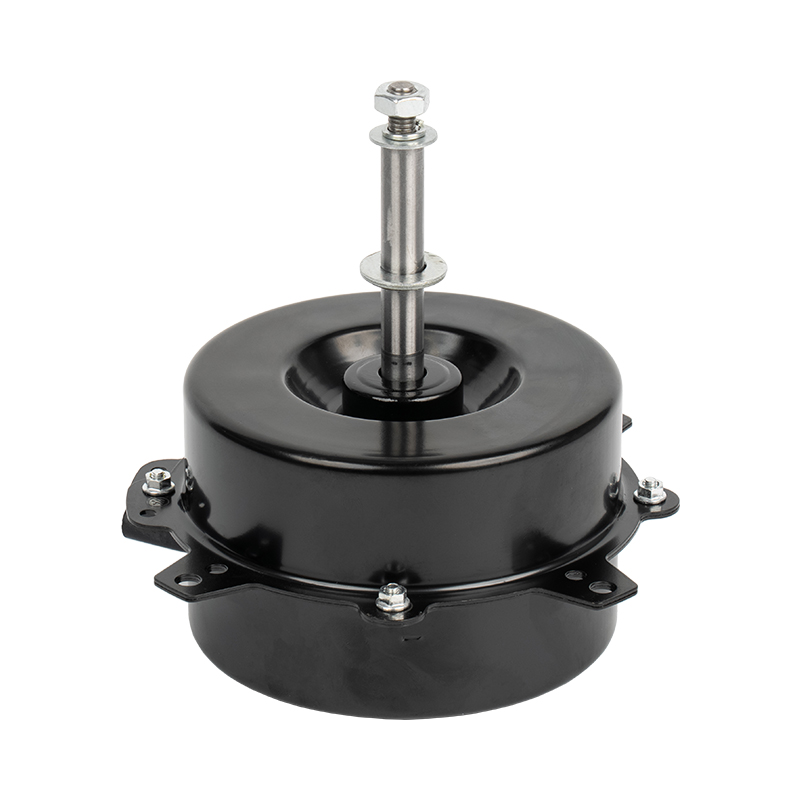
If you are comparing blower motor designs for an existing system, a basic understanding of blower motor maintenance basics can help you separate a belt problem from a motor problem before you order parts. For compact blower applications that benefit from a direct drive layout, the cooling and drying medium blower motor YYK60 is one option to review.
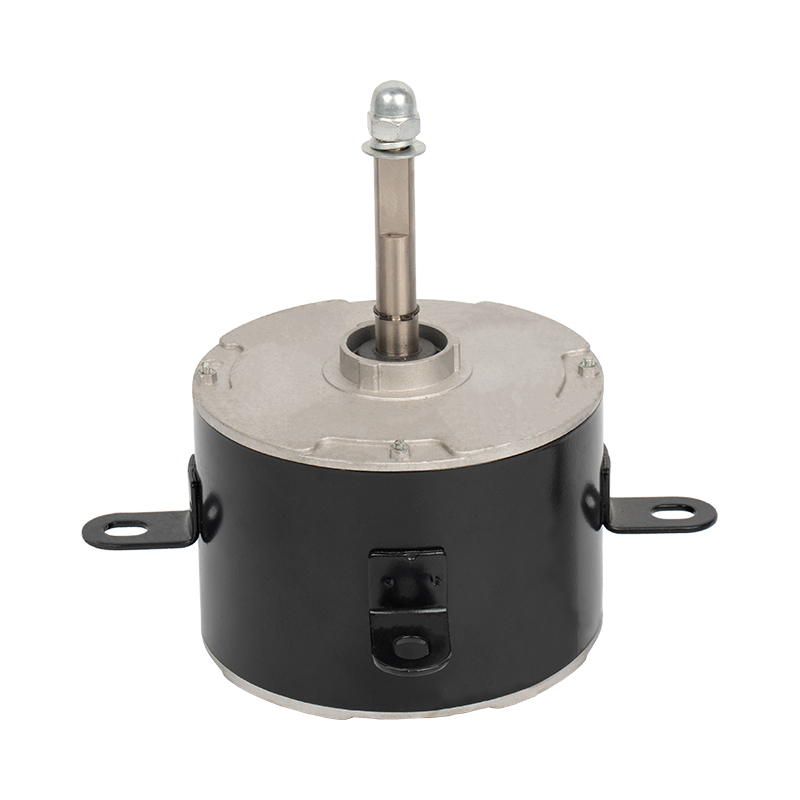
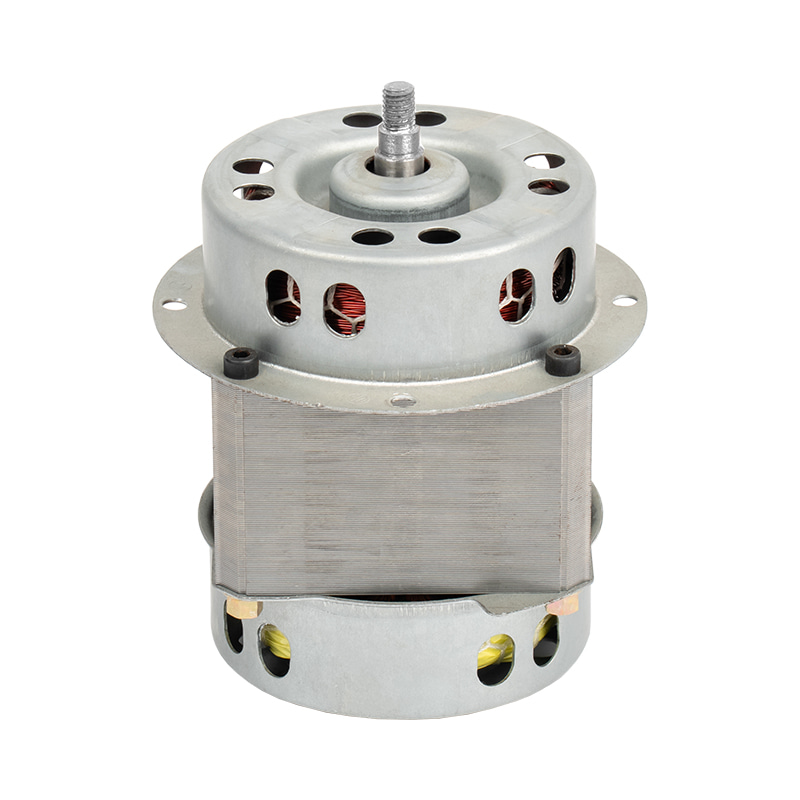 YYK-60 Cooling and Drying Medium Blower MotorCompact blower motor for cooling and drying equipment, with quiet operation, sealed housing, and maintenance-friendly design suited to noise-sensitive workshop installations.View Product →
Efficiency, Noise, and Airflow Performance
Belt drives lose energy in two ways: belt slip and belt flexing. The loss may look small on a nameplate, but over 8,000 hours of operation it adds up. A direct drive fan avoids those losses, and when paired with an EC motor or VFD, it can match airflow to actual demand instead of running at full speed all the time.
Noise is more nuanced. Belt drives can isolate motor vibration from the fan, and they can be quieter than a direct drive fan running at full speed. However, belts themselves generate noise, especially if tension is wrong or pulleys are misaligned. Direct drive fans tend to be quieter at reduced speeds, which is where many modern systems operate. In air coolers and tower fans, for example, a direct drive motor running at low speed can deliver noticeable noise reduction for the same airflow.
Airflow performance also depends on the fan curve and system resistance. Direct drive gives precise speed control, so you can trim airflow without changing hardware. Belt drive gives speed changes through pulley ratios, which is useful when a fan must be commissioned on site and the exact resistance is unknown.
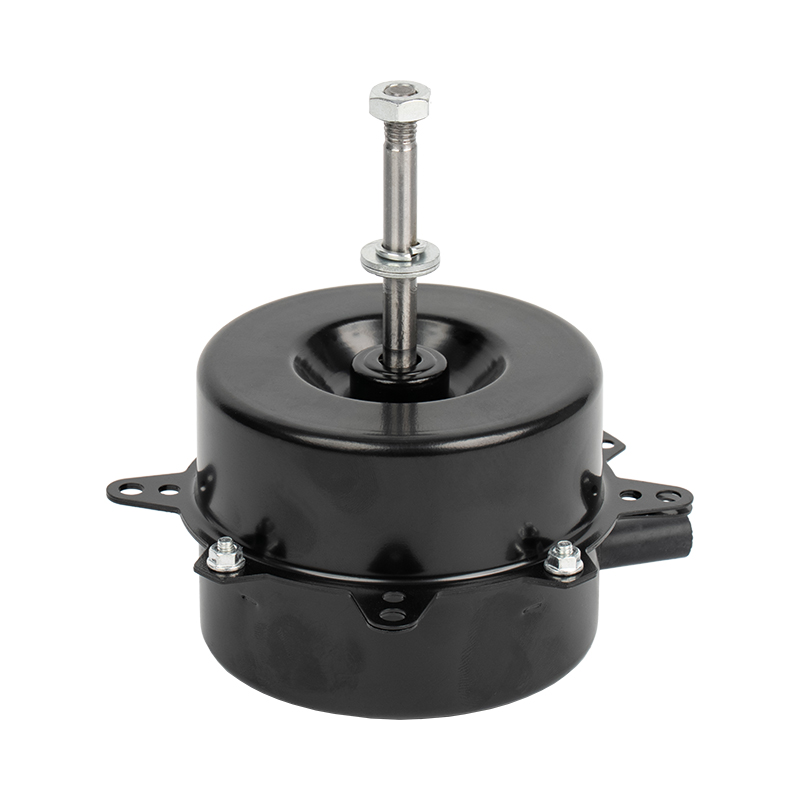
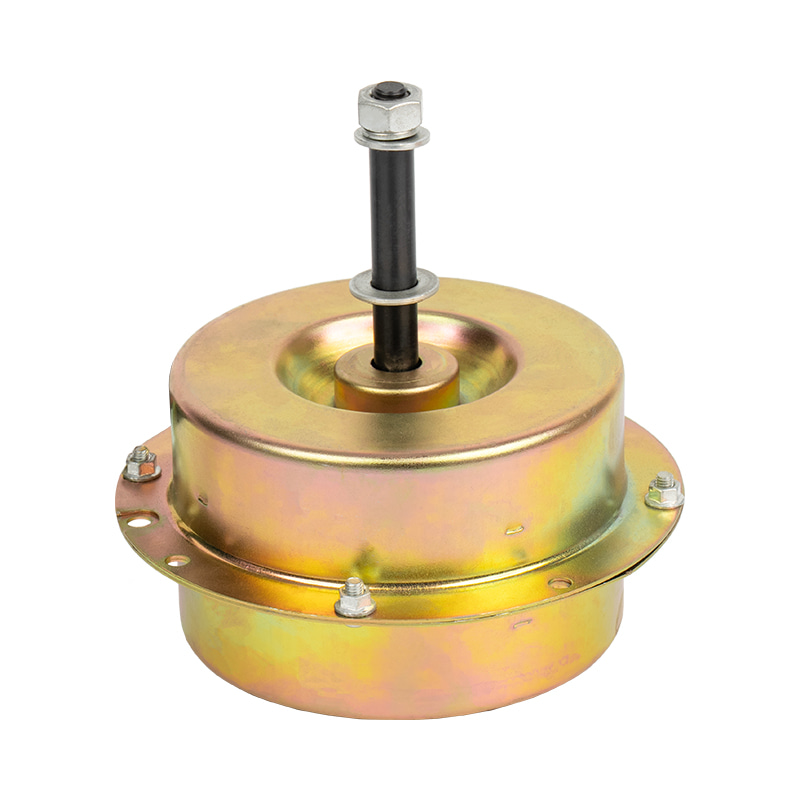
For air cooler applications, a direct drive motor such as the energy-efficient YYK120 is designed to keep airflow stable while reducing energy use. It is a practical example of how electronic speed control and a direct-coupled fan wheel can work together in compact cooling equipment.
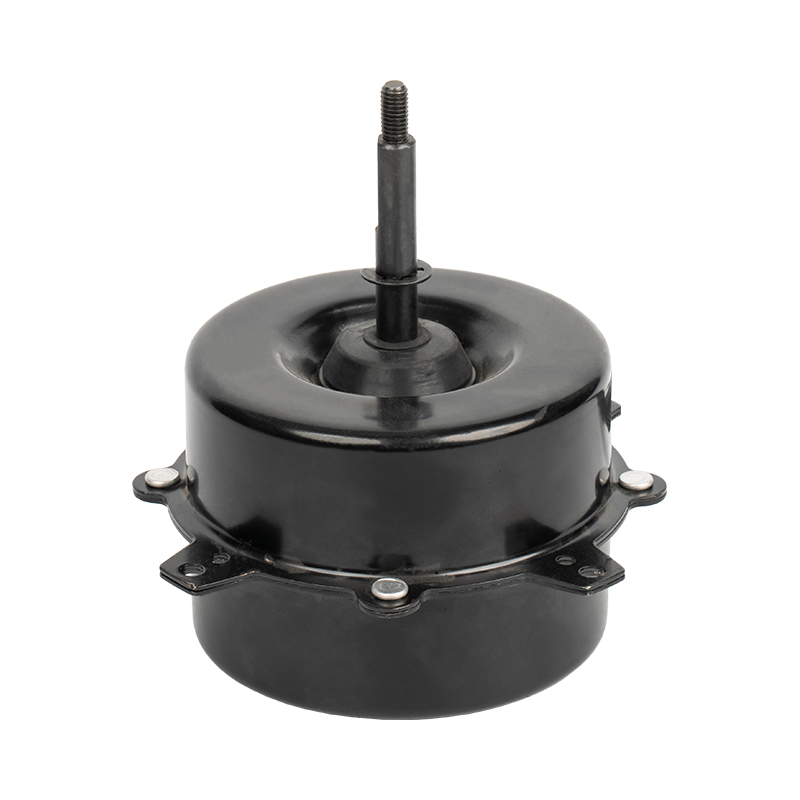 Energy Efficient Air Cooler Motor YYK-120Replacement-ready air cooler motor with 120W power, low-noise operation, overheating protection, and compatibility with many household and commercial cooling units.View Product →
Upfront Cost vs Total Cost of Ownership
Belt drive fans usually win on first cost. The motor can be smaller and cheaper because the pulley ratio multiplies speed. The fan housing, shaft, and bearings may also cost less. For a project with a tight budget, that lower initial price is hard to ignore.
Direct drive fans cost more upfront because the motor must produce the required torque at fan speed, and the electronics for speed control add cost. However, the total cost of ownership tells a different story. Over a 10-year life, a belt drive fan may need multiple belt replacements, pulley alignment, bearing lubrication, and the labor to do that work. If the fan is in a remote or hazardous location, the cost of sending a technician can exceed the price of the motor itself.
Energy is the other long-term cost. A direct drive fan with an EC motor can reduce electricity use by a meaningful margin, especially in variable-air-volume systems. In cold storage, commercial kitchens, and industrial ventilation, those savings often pay back the higher purchase price within a few years.
Matching the Drive to the Application
The best drive depends on the job. Here are common scenarios and the drive that tends to fit best.
When Direct Drive Is the Better Fit
- Continuous operation where downtime is expensive
- Rooftop or remote fans that are hard to service
- Variable airflow requirements with frequent speed changes
- Clean air or light dust where belts are not needed for isolation
- Compact equipment such as air coolers, tower fans, and air purifiers
When Belt Drive Still Makes Sense
- Very high power where a direct drive motor would be too large or costly
- High-temperature or contaminated air streams where the motor should be separated from the fan
- Existing belt-driven systems with available spare parts and trained maintenance staff
- Applications that need a simple, mechanical speed change without electronics
- Retrofit or emergency replacement where matching an existing pulley ratio is fastest
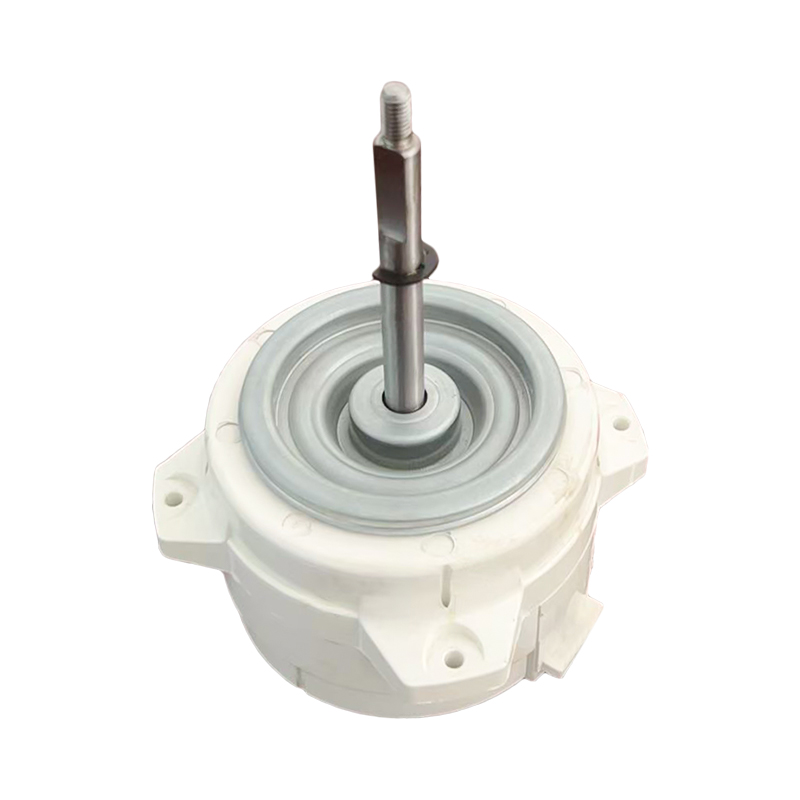
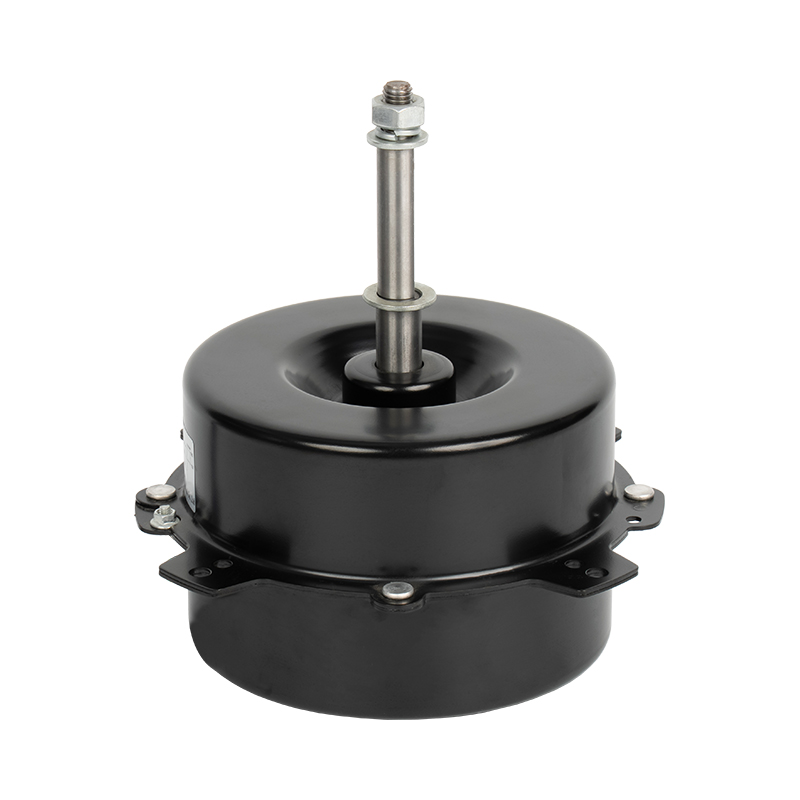
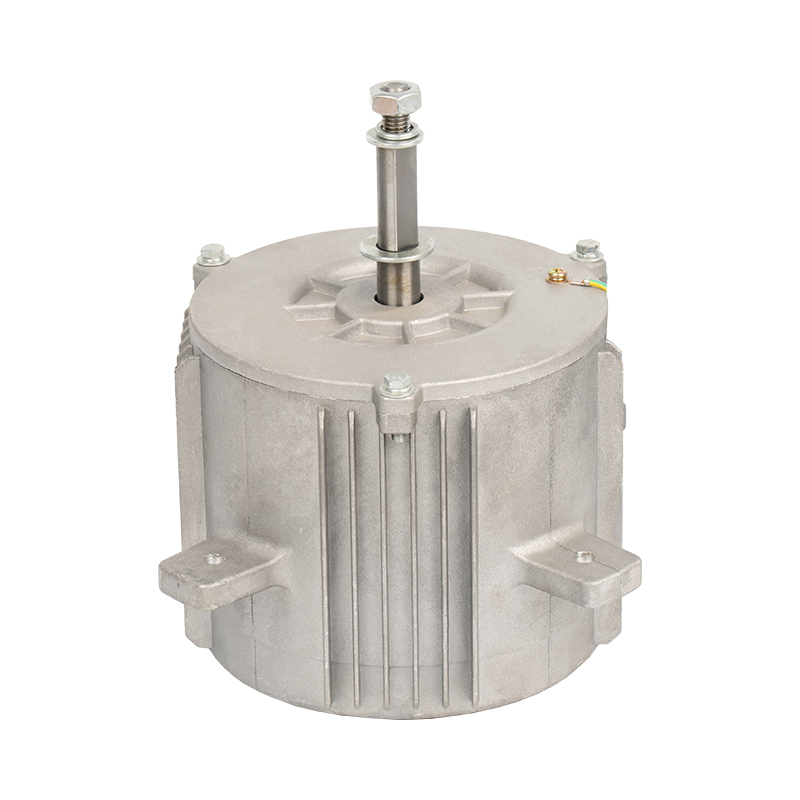
In air coolers, for example, a direct drive motor is often preferred because it eliminates belt dust and reduces noise. In heavy industrial drying, a belt drive may still be chosen to keep the motor away from heat. Industrial air purifiers often use direct drive motors with large aluminum fan blades to move high volumes of air efficiently. The efficient large aluminum fan industrial air purifier motor YYK120 is built for that kind of continuous duty.
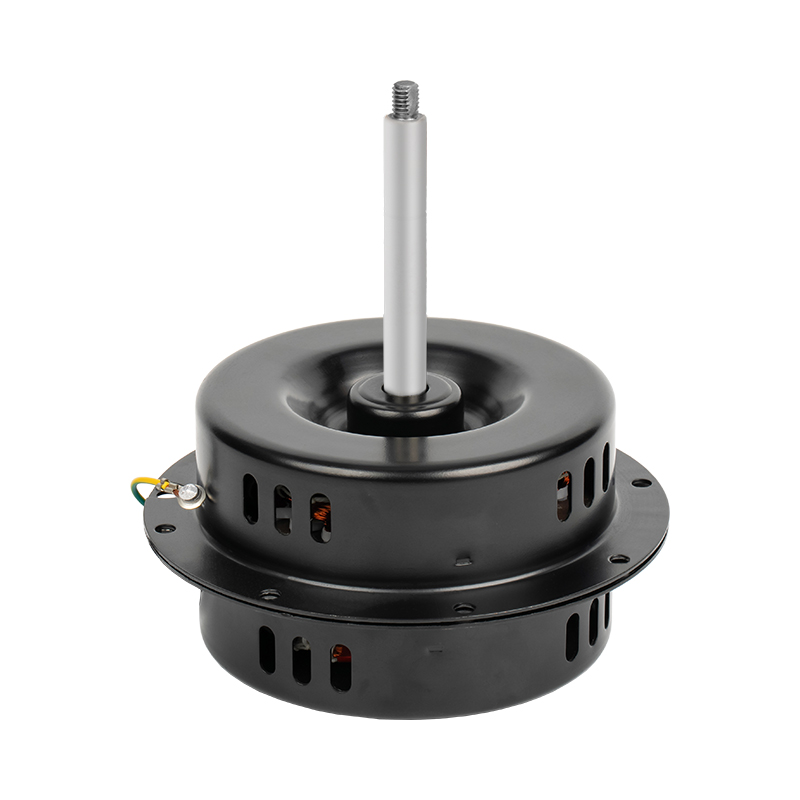 YYK-120 Industrial Air Purifier Motor for Workshops and WarehousesLong-duty industrial motor with aluminum alloy shell, dust-proof and splash-proof design, and overheating protection for factory, warehouse, and fume-exhaust ventilation.View Product →
Frequently Asked Questions
Are direct drive fans always more efficient than belt drive fans?
No. A poorly selected direct drive fan can be less efficient than a well-matched belt drive fan. Efficiency depends on motor efficiency, fan curve, and how the system is controlled. Direct drive removes belt losses, but the motor and fan must still be sized correctly.
Can I convert a belt drive fan to direct drive?
In some cases, yes, but it is not a simple motor swap. The fan shaft, bearing arrangement, and support structure may need modification. The direct drive motor must also be selected for the required fan speed and torque. A conversion usually makes sense only when the existing fan is in good condition and downtime for modification is acceptable.
Do direct drive fans need VFDs?
Not always. A direct drive fan can run at a fixed speed. However, adding a VFD or using an EC motor allows speed control, which improves part-load efficiency and can reduce noise. For systems with variable demand, the added control is often worth the cost.
Which drive is quieter?
It depends on speed and installation. Belt drives can isolate motor noise, but belts and pulleys add their own noise. Direct drive fans are often quieter at low and medium speeds. Proper mounting and vibration isolation matter more than the drive type alone.
Final Thoughts
For most new fan installations, direct drive is the simpler and more cost-effective choice over the life of the equipment. It removes belts, pulleys, and tension checks from the maintenance schedule, and it works naturally with modern electronic speed control. Belt drive fans remain relevant for high-power, high-temperature, or budget-sensitive projects where their mechanical flexibility is still valuable.
Before you decide, calculate the total cost of ownership over five to ten years. Include belts, bearings, labor, energy, and the cost of downtime. Then match the drive to the actual airflow, environment, and service access. If you need help selecting a direct drive motor for an air cooler, blower, or purification system, contact our engineering team to discuss the right motor for your equipment.


 Home
Home  Tel.: +86-13819807486
 Whatsapp:+86 13819807486
 E-mail:


