


 简体中文
 English
 عربى
Content
A ducted air purifier that moves 1,200 m3/h on a test bench can fall to roughly 700 m3/h once a loaded HEPA filter, a silencer and two elbows are added to the air path. That gap is where most fan complaints start: the fan is not undersized for the room, it is undersized for the resistance.
Conclusion first: when the air path contains filters, coils, dampers, long duct runs or tight grilles, a centrifugal fan will usually deliver more usable airflow, with less noise, than an axial fan of similar diameter. The advantage comes from pressure, not from blade area. The trade-offs are real too, in footprint, weight, cost and cleaning. What follows is what those advantages mean on a specification sheet, and how the motor behind the impeller decides whether the figures survive a real installation.
The Central Advantage: Static Pressure That Overcomes Resistance
A centrifugal fan draws air into the centre of the impeller and throws it radially outward. The volute then slows that fast-moving air and converts velocity into static pressure. An axial fan does the opposite: it pushes air parallel to its axis, which works well in free air but gives up quickly when the path narrows.
That single difference explains most of the practical benefits. Centrifugal units behave closer to constant-volume devices, so when a filter loads up, airflow falls gently rather than sharply. They also sit behind restrictive elements such as dense filters, wet evaporative pads and long duct runs that would stall an axial fan.
| Variable | Axial fan | Centrifugal fan |
|---|---|---|
| Air path | Parallel to the shaft | In at the eye, out through the housing |
| Static pressure capability | Low to moderate | High, and rising with impeller speed |
| Behaviour as filters load | Airflow falls sharply | Airflow holds over a wider resistance range |
| Noise at high resistance | Rises, often with a rough tone | Stays comparatively controlled |
| Footprint and weight | Compact and light | Larger and heavier for the same duty |
| Typical duty | Free-air cooling, wall fans, condensers | Ducted HVAC, filtration, dryers, range hoods |
Two consequences matter commercially. First, the fan keeps delivering near its design airflow as resistance rises, so a filter change does not silently halve the process air. Second, the housing that creates the pressure also gives the designer somewhere to work on noise: a smooth inlet and a well-shaped volute often do more for sound than any add-on silencer.
The advantage is not free. Every fan runs on a curve, and if system resistance doubles, flow still drops. High pressure only helps when the fan curve and the system curve cross near the duty point you actually need.
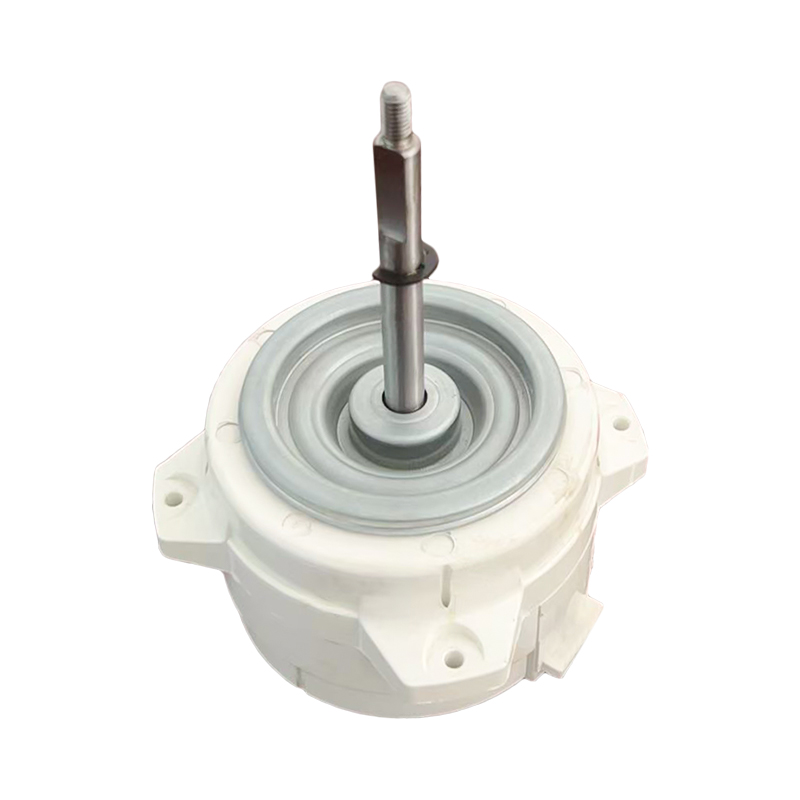
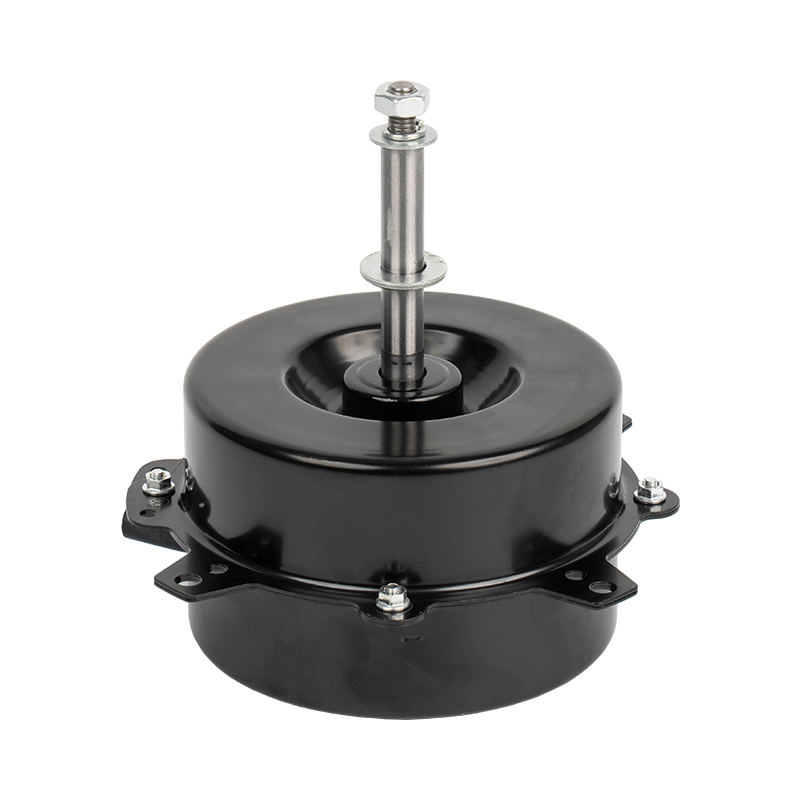
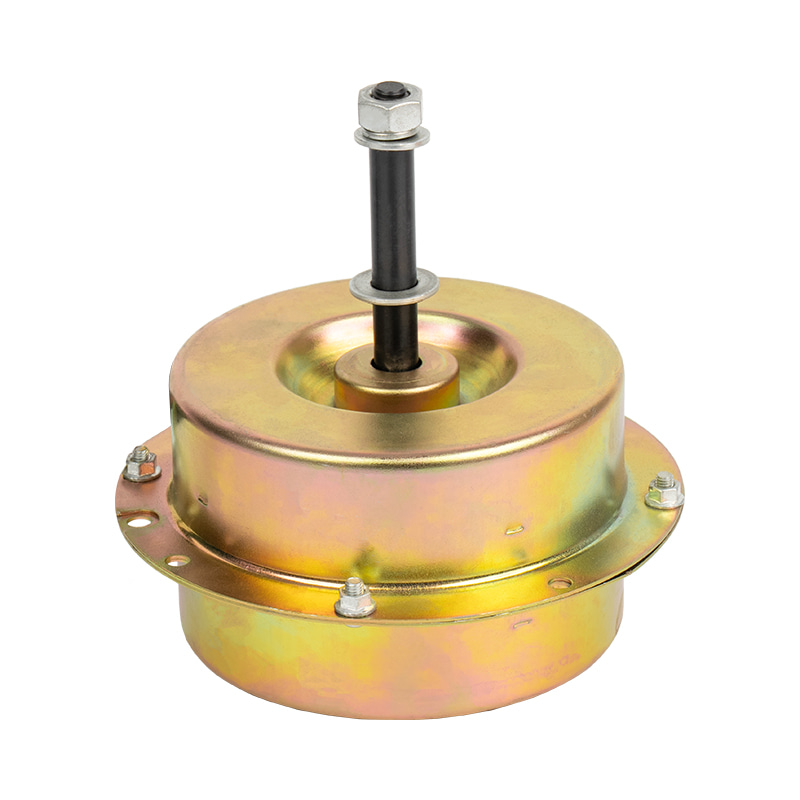
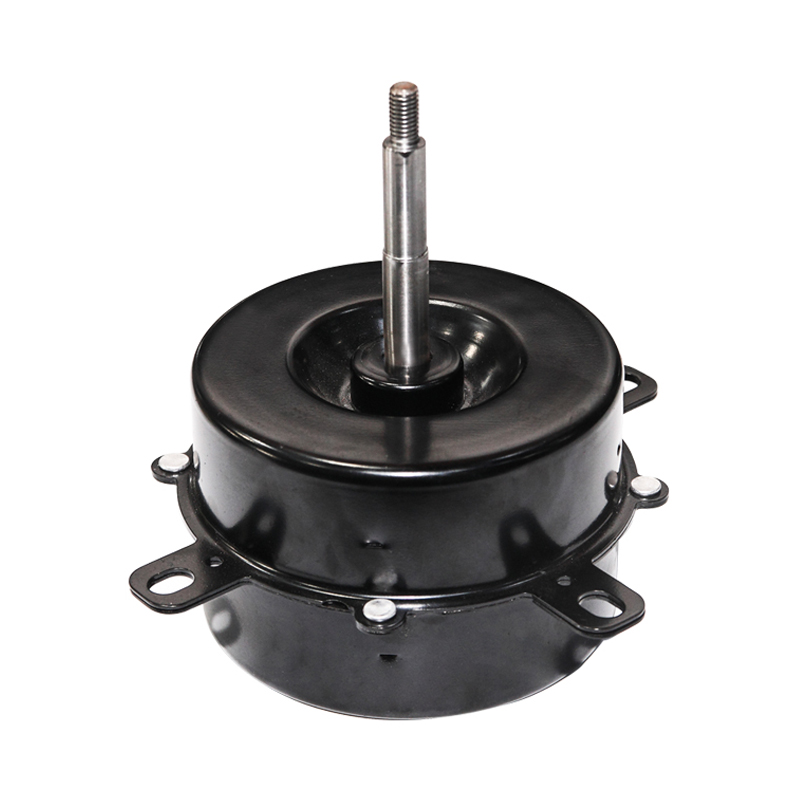
Where the air path is deliberately restrictive, impeller and motor are chosen as a pair. A large aluminium impeller driven by a motor rated for continuous duty at that load, such as the YYK120 unit built for industrial air purifier designs, is a typical answer.
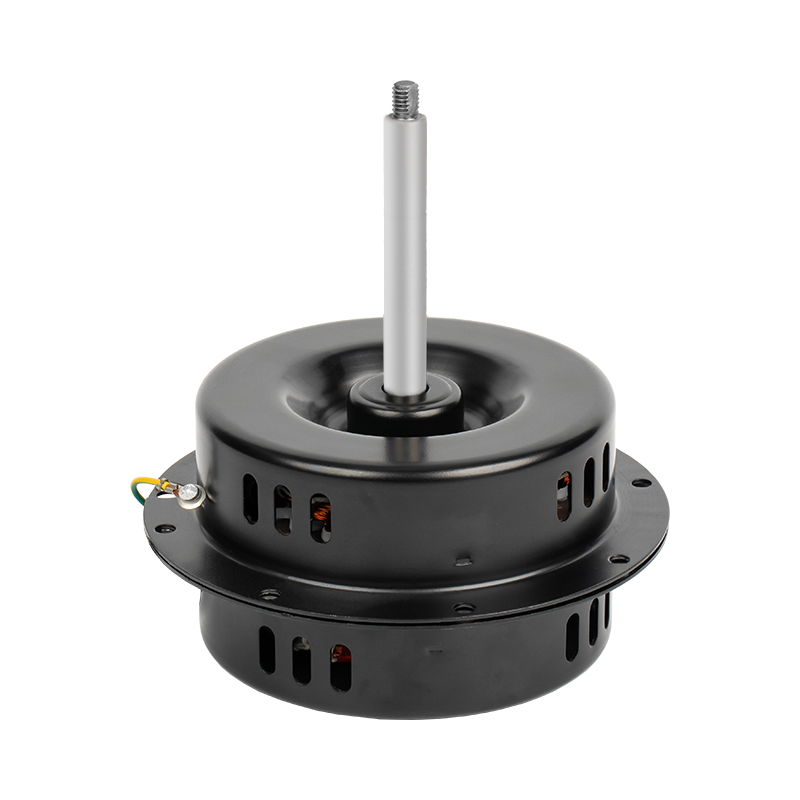 YYK-120 Industrial Air Purifier Motor with Large Aluminum HousingIn restrictive industrial air paths, this motor is intended to pair with a large aluminum impeller, with all-aluminum construction for heat dissipation.View Product →
Efficiency, Steady Airflow and Noise in Practice
When a centrifugal fan is matched to its impeller and motor, the gains show up in four places:
- Energy efficiency. A backward-curved impeller at its best-efficiency point can convert a large share of shaft power into static pressure, and well-designed units are quoted with static efficiency approaching 84%, which is high for air-moving equipment.
- Stable airflow. Drying tunnels, paint booths and industrial purifiers depend on a repeatable air volume, and constant-volume behaviour keeps the process inside tolerance as filters age.
- Lower noise at high resistance. An axial fan pushed toward stall becomes loud and rough, while a centrifugal fan keeps a smoother flow path and a more predictable sound level at the same duty.
- Wider operating range. Impellers and bearings are built for a broad speed range, and the same basic design can move clean air, hot air or light dust when impeller type and materials are chosen for it.
Reliability follows from the same geometry. There are no blade tips running close to a shroud ring, the load path from impeller to bearing is short in direct-drive units, and parts stay accessible. For equipment running 8,000 hours a year, that simplicity means fewer vibration complaints and easier scheduled maintenance.
Where Centrifugal Fans Earn Their Space
The applications that choose centrifugal fans usually share one trait: something is in the way of the air.
- Industrial air purifiers and dust collection, where the fan pulls air through filters and ducting without losing volume.
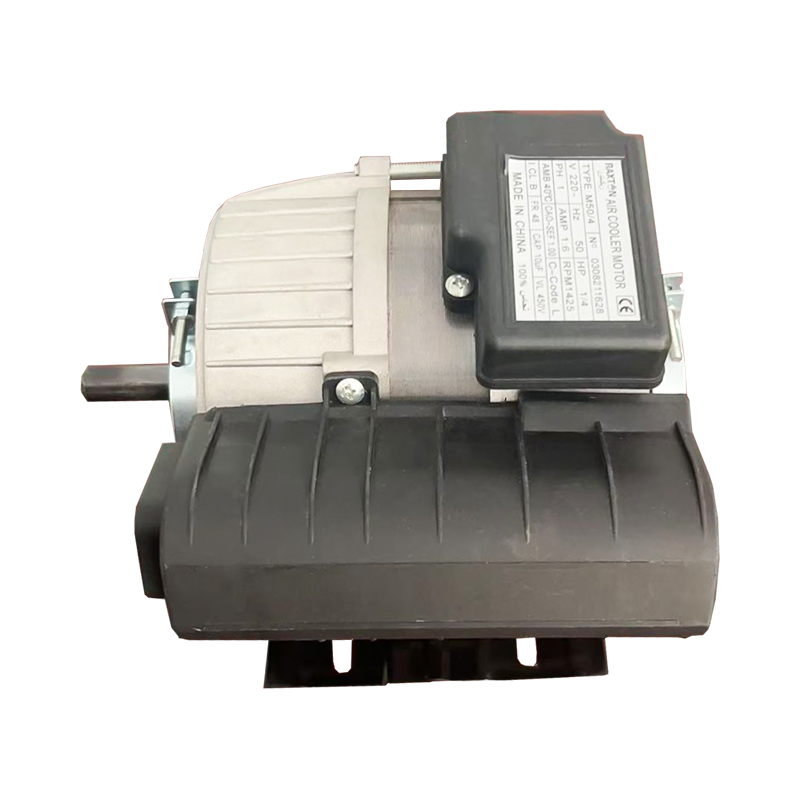
- Evaporative air coolers, where air must be pushed through a wet pad while a water pump keeps the pad saturated.
- Range hoods, where grease filters and long vertical ducts add resistance a small axial fan cannot beat.
- Production-line blowers for cooling and drying, where the jet must reach a defined distance and pressure.
- Ducted HVAC and heat-exchange equipment, where the fan works against coils, dampers and balancing devices.
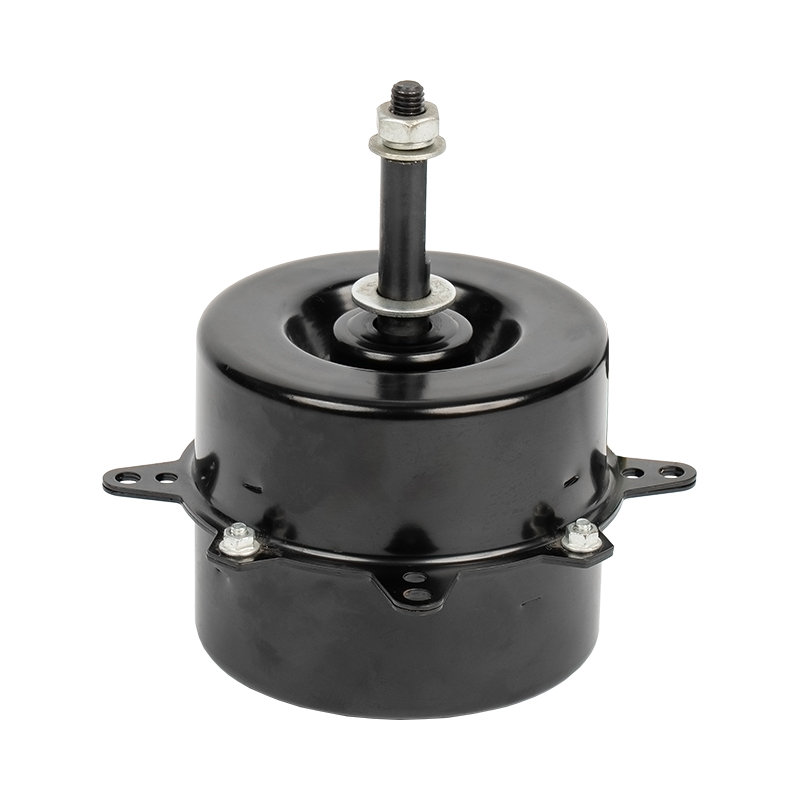
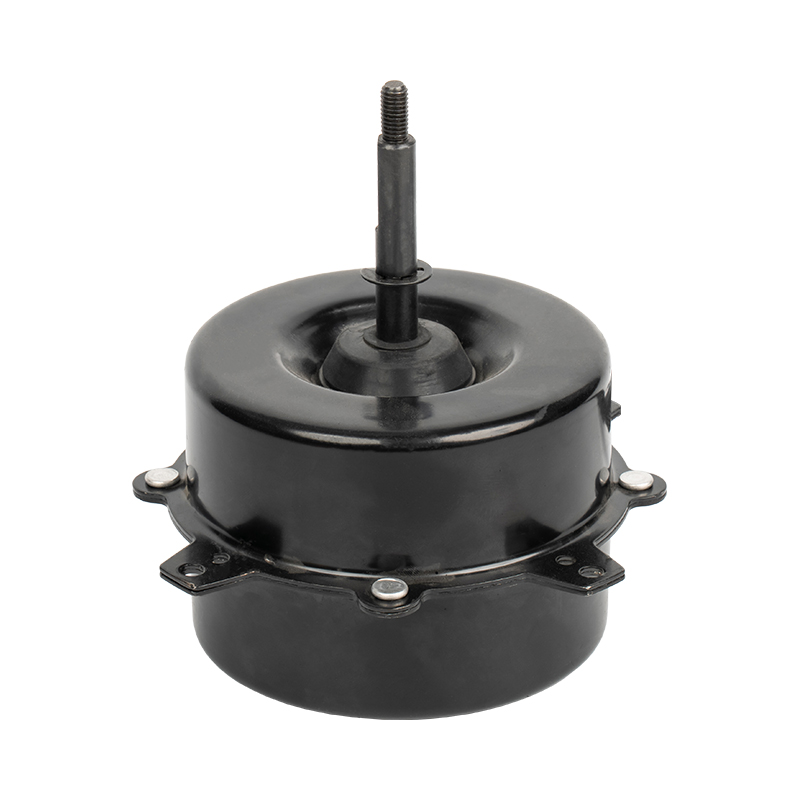
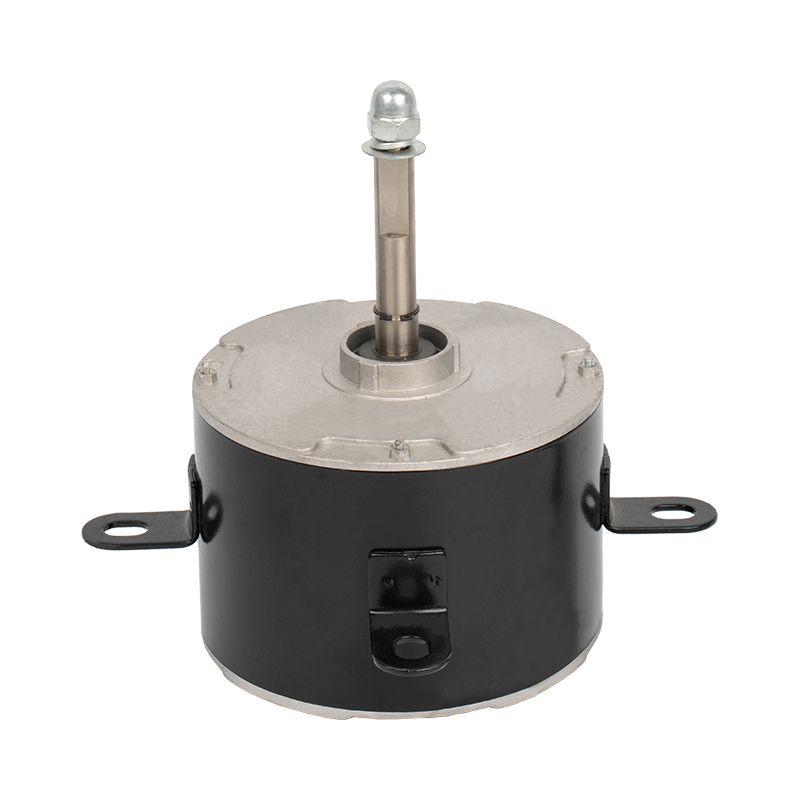
If you want to see how impeller, housing and motor are matched in these duties, this overview of blower motor construction and selection is a useful starting point. On cooling and drying lines, for instance, a medium blower motor such as the YYK60 is sized for continuous duty behind a centrifugal impeller rather than for free-air movement.
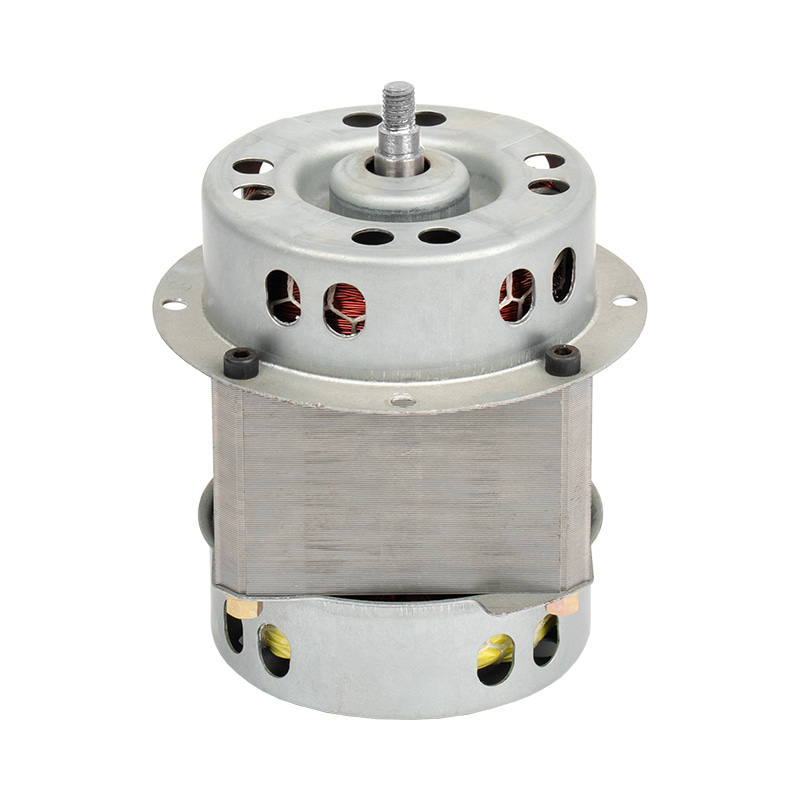 YYK-60 Medium Blower Motor for Cooling and DryingSuited to continuous duty behind a centrifugal impeller, this medium blower motor is worth checking when cooling and drying line motor choice is critical.View Product →
The Motor Behind the Impeller Decides Half the Outcome
Two fans with identical impellers can behave like different products once the motor changes. These four variables are worth confirming in writing before an order is placed.
Speed and pole count
Impeller speed sets both airflow and pressure. A four-pole motor at 50 Hz runs at a nominal 1,450 rpm, while a two-pole unit runs roughly twice as fast and can nearly double the pressure at the cost of noise and bearing load.
Frequency and speed control
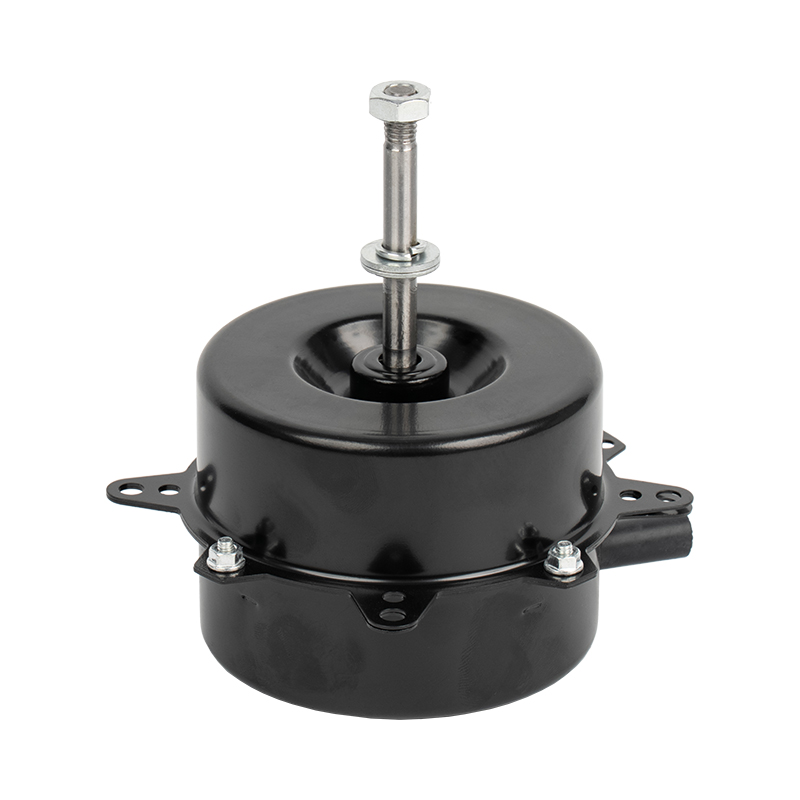
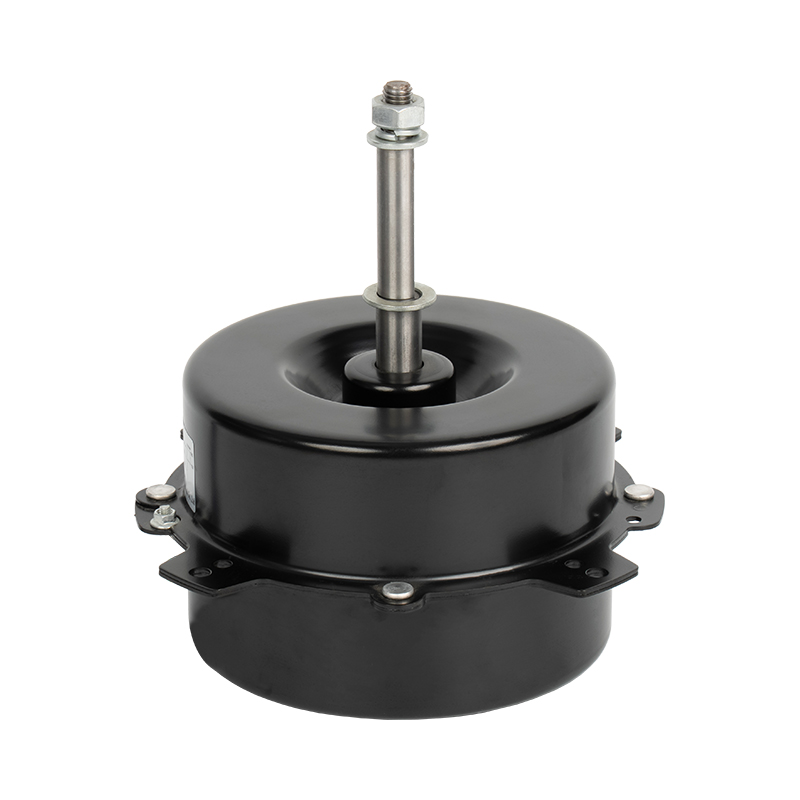
Variable frequency or EC control lets the fan follow the process instead of running flat out. In air coolers, purifiers and dryers this is usually where the real saving comes from, because fan power falls steeply with speed. A variable frequency air cooler motor lets airflow be trimmed at commissioning and adjusted later as filters load.
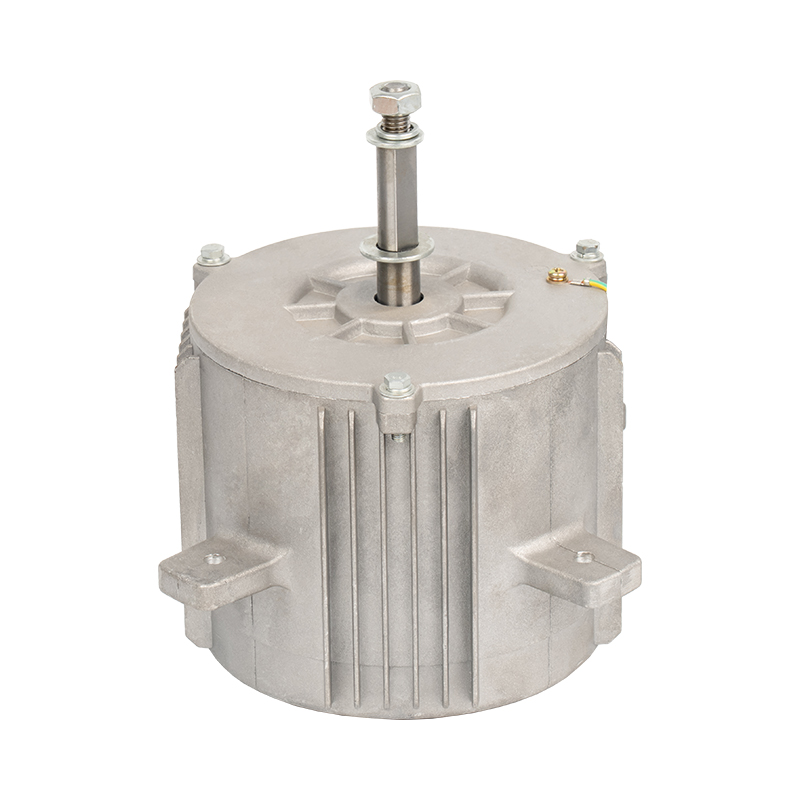 YYK-250 Variable Frequency Air Cooler MotorFor air coolers where variable speed trims airflow and saves energy, this frequency conversion motor offers intelligent adjustment and quiet operation.View Product →
Impeller type
Forward-curved impellers give high flow at lower pressure, backward-curved impellers are more efficient in clean high-resistance duty, and straight radial impellers tolerate dust and abrasion. Choosing the wrong one usually shows up as noise or as a motor that runs hot.
Bearings, duty and enclosure
Sleeve bearings suit quiet light duty; ball bearings suit higher speed and longer life. Confirm ambient temperature, continuous running hours and the ingress protection required before fixing the price.
Trade-offs and Selection Risk
An honest specification also lists what you give up:
- Footprint and weight. For the same free-air airflow, a centrifugal unit is bulkier and heavier, which matters in wall-mounted or handheld equipment.
- Higher initial cost. Impeller, volute and motor add material and tooling cost compared with a simple axial fan.
- More complex installation. Belt-driven versions need alignment and tension checks; direct-drive versions need a sealed inlet and firm mounting to avoid transmitting vibration.
- Dust build-up. Contaminants stick to impeller blades and gradually unbalance the wheel, raising vibration and bearing wear, so the fan needs a cleaning interval and not just a filter.
The practical rule: choose centrifugal when resistance is real and continuous, and choose axial when the air path is open and space is tight.
Frequently Asked Questions
Are centrifugal fans always more efficient than axial fans?
No. In free air, a large axial fan can match or beat a small centrifugal unit. The advantage appears when the system has static pressure to overcome, because the centrifugal impeller keeps working near its best point instead of stalling.
How much static pressure do I actually need?
Add the pressure drop of the loaded filter rather than the clean one, plus duct friction, coils, dampers and grilles, then allow a margin of 10 to 20 percent for dirty conditions and installation differences. Sizing on a clean-filter figure is the most common and most expensive mistake.
Can I slow a centrifugal fan down to save energy?
Yes, and it is usually the cheapest saving available, since fan power falls sharply with speed. Check that the motor can be cooled at the lowest speed, that the impeller does not enter an unstable region, and that the control method suits the supply.
None of these advantages survive a mismatched motor. A motor that is too small runs hot and shortens bearing life, and one that is oversized adds cost and noise without adding airflow. The useful step is to write the duty point down: required airflow, system resistance, ambient temperature, supply type and expected running hours, then confirm impeller, speed and bearing system against it.
We build motors for air coolers, industrial purifiers, range hoods, blowers, tower fans and washing machines, including YYK series units used behind centrifugal impellers. If you have a duty point in front of you, send us the airflow, pressure and power supply details and we will answer with a matched option rather than a catalogue number.


 Home
 Tel.: +86-13819807486
 Whatsapp:+86 13819807486
 E-mail:


