


 简体中文
 English
 عربى
Content
A replacement centrifugal fan impeller that looks identical to the original can still change airflow, raise noise, or overload the motor. The visual match is not enough. Before price, match the impeller’s blade geometry, duty point, motor speed, shaft fit, and housing clearance. That single discipline prevents most field complaints.
A centrifugal fan impeller is the rotating blade wheel inside a centrifugal fan or blower. It pulls air into its center eye, accelerates the air outward, and relies on the fan housing to convert velocity into static pressure. The impeller does not create pressure by itself; the combination of wheel, inlet, cutoff, and system resistance decides the final operating point.
What a centrifugal fan impeller does
The impeller transfers shaft power from the motor to the air. As the wheel turns, air enters axially, turns roughly 90 degrees, and leaves radially through the blade passages. A well-matched volute then slows the air and builds pressure before discharge. If the impeller is too narrow, too wide, or set at the wrong clearance, the fan may still spin but fail to deliver the required airflow at the actual system resistance.
Where the motor fits
The motor supplies torque and speed; the impeller defines how much airflow and pressure that speed can produce. A motor that is correct on nameplate data can still be wrong for the impeller if the absorbed power at free delivery is too high, if the starting torque is insufficient, or if the speed control range pushes the wheel beyond its safe limit. Always review the impeller curve and motor load together.
Blade geometry is the first selection decision
Blade shape controls the balance between airflow, static pressure, efficiency, noise, and tolerance to dust. A forward-curved wheel is common in compact air-moving products because it moves high volume at lower pressure. Backward-curved and backward-inclined wheels are usually better where duct resistance is higher. Radial wheels are rugged and suit dirty or high-pressure duties, while airfoil blades can improve efficiency in clean-air applications.
| Blade form | Airflow and pressure | Efficiency tendency | Noise and use notes |
|---|---|---|---|
| Forward-curved | High airflow, lower pressure | Moderate; sensitive to inlet and housing design | Compact air coolers, small blowers; check stable range and motor load |
| Backward-curved | Balanced flow with higher pressure | Generally high in clean air | Ducted equipment and purifiers; less tolerant of heavy deposit build-up |
| Backward-inclined | Good pressure capability with robust blades | Moderate to high | Industrial air handling; confirm material and wear allowance |
| Radial | High pressure, lower peak flow | Lower than curved clean-air designs | Dirty or abrasive duties; specify wear protection and balance quality |
| Airfoil | Efficient pressure build | High in clean service | Low-noise ducted equipment; avoid where fouling is likely |
Do not choose a blade type from a catalog picture alone. Two wheels with the same diameter can have different blade angles, widths, inlet cones, and hub details. Those differences change the fan curve and the sound signature.
How to read a duty point before choosing an impeller
Start with required airflow and static pressure at the real installation, not the fan’s maximum free-air figure. The operating point is where the impeller curve crosses the system resistance curve. A filter, wet evaporative pad, narrow duct, or poorly designed outlet can move that point far from the catalog peak. Ask for a curve at the actual speed and, where relevant, at the intended voltage and frequency.
Motor and speed matching
Check absorbed power across the whole curve, especially near free delivery, because that is often where an undersized motor overloads. Confirm shaft diameter, keyway or flat, rotation direction, mounting flange, and axial clearance. If a variable-speed drive is used, avoid speeds that excite frame or panel resonance. For fan-law estimates, airflow changes roughly with speed, pressure with speed squared, and power with speed cubed; use these as checks, not as a substitute for test data.
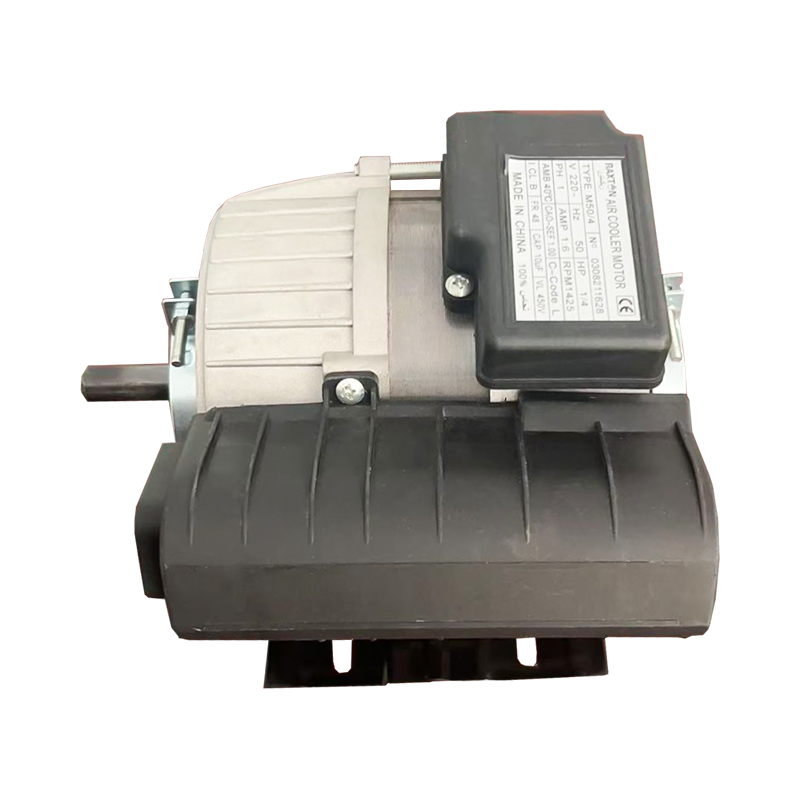
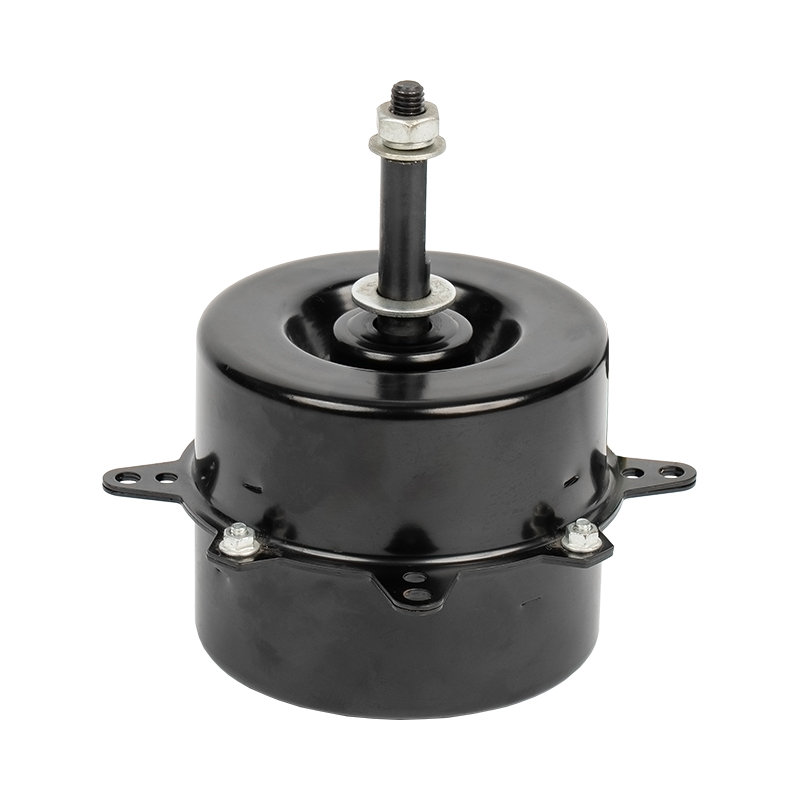
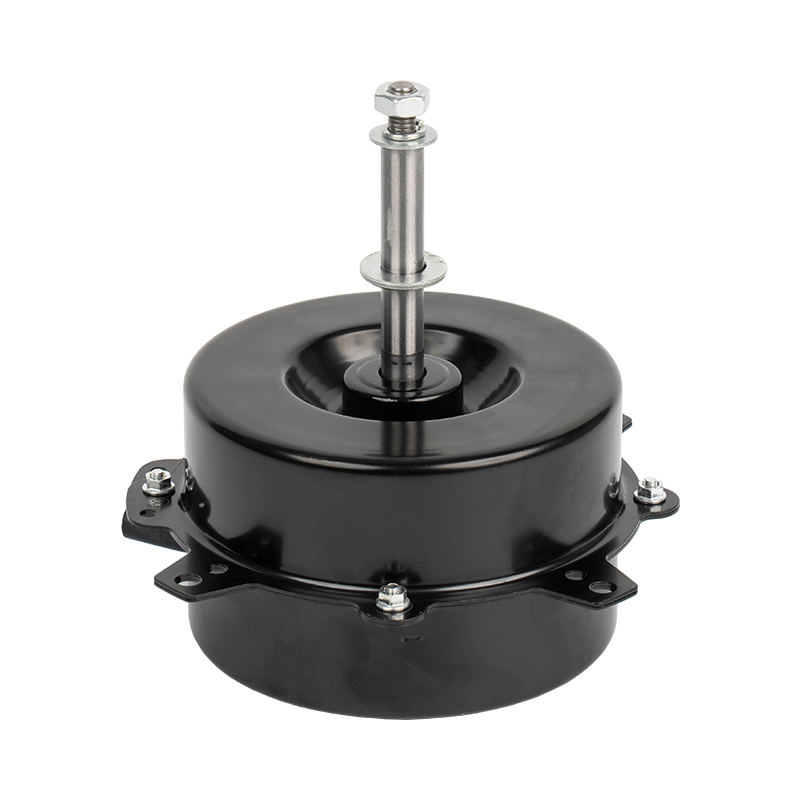
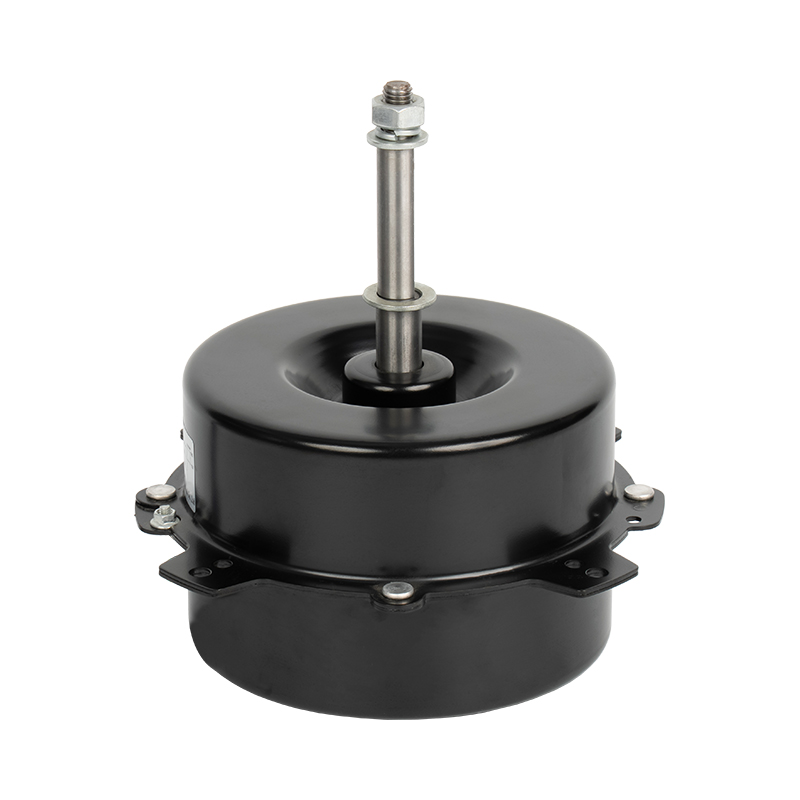
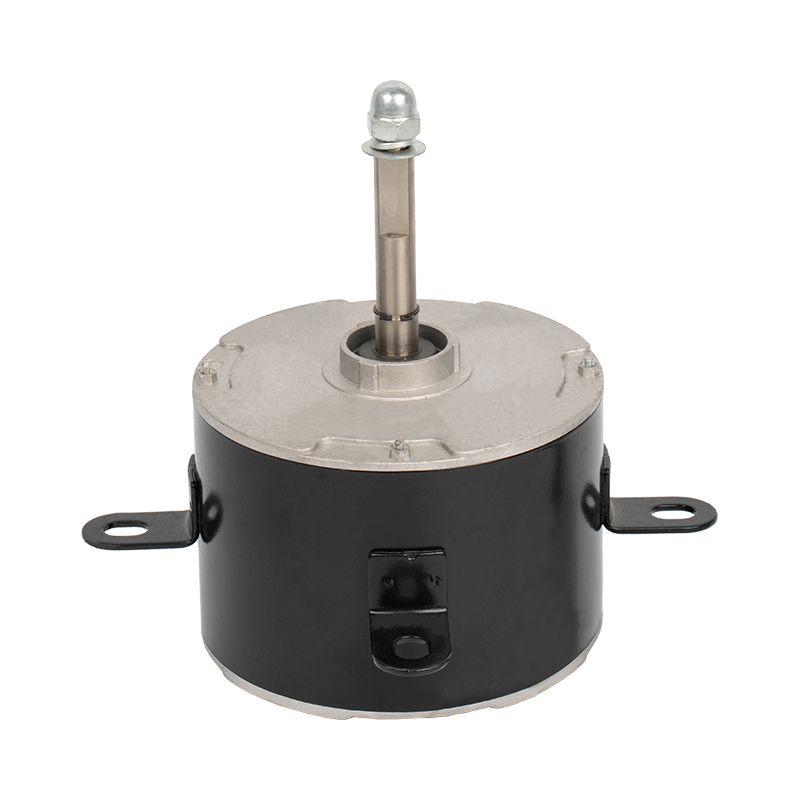
For air-cooler platforms, a motor such as the energy-efficient YYK120 is often paired with a compact forward-curved wheel; confirm the shaft, speed, and moisture protection before release.
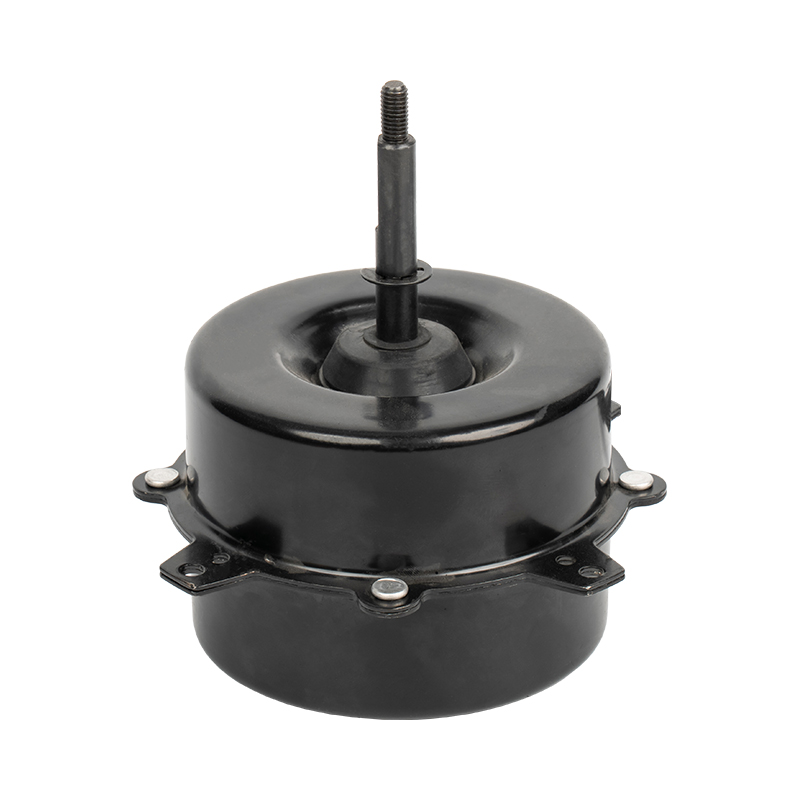 Energy-Efficient YYK-120 Air Cooler MotorA 120 W air-cooler motor with low-noise operation, all-copper windings, dust and moisture protection, and overheating protection for household and commercial cooling.View Product →
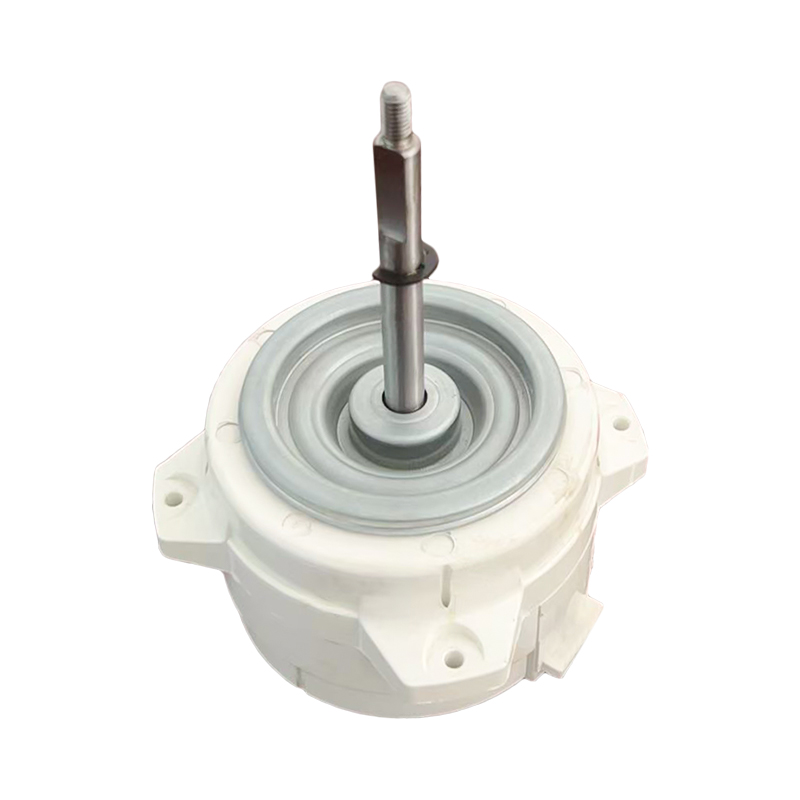
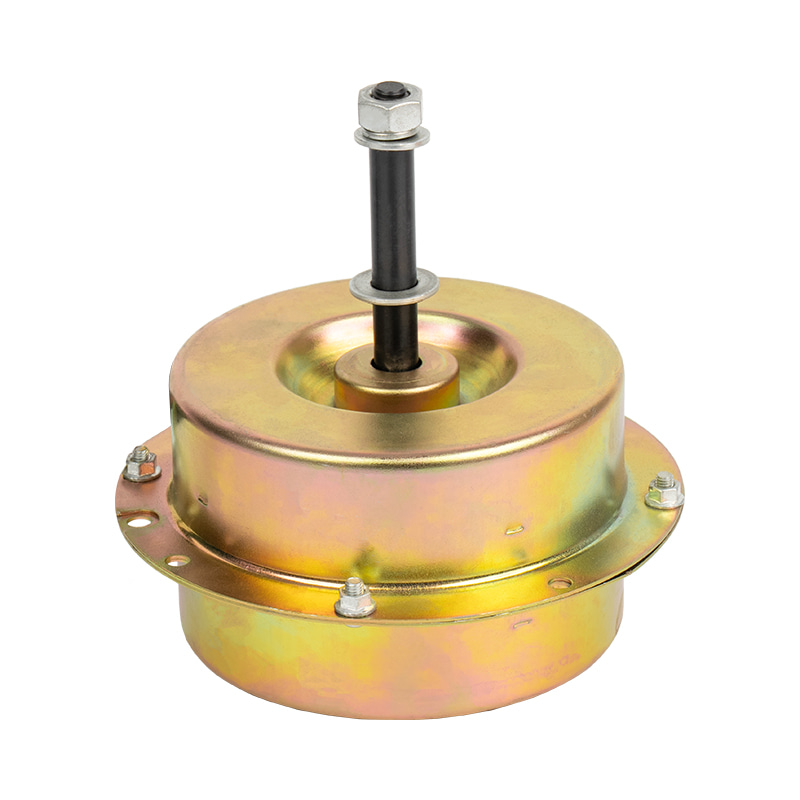
For medium cooling and drying blowers, the YYK60 blower motor is a useful reference point when the impeller curve calls for a moderate pressure rise and a stable continuous duty point.
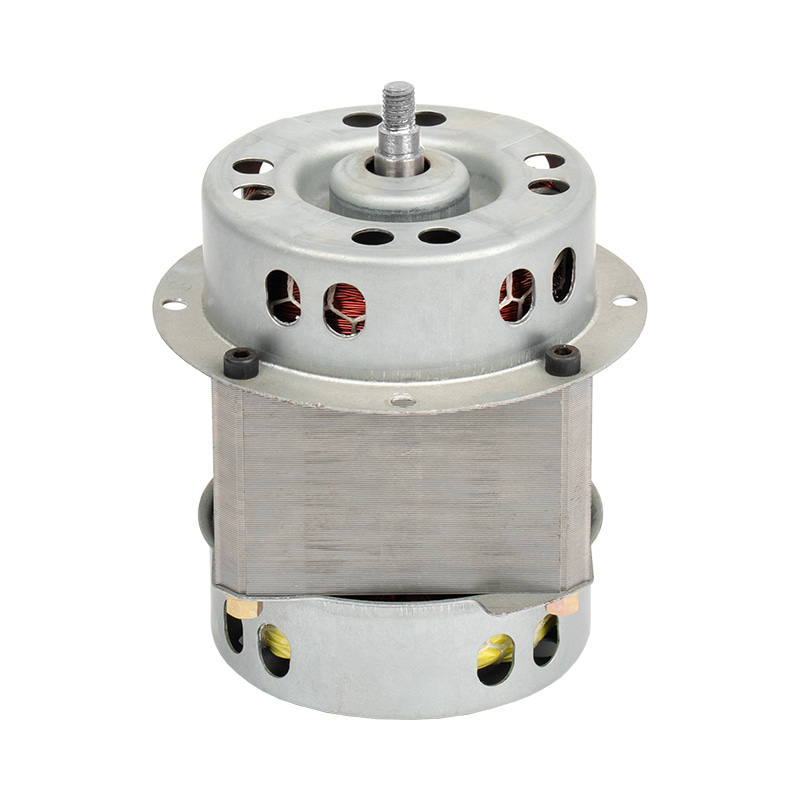 YYK-60 Medium Blower Motor for Cooling and DryingA quiet, IP55 medium blower motor with triple noise reduction, sealed housing, and continuous-duty design for laboratories, workshops, and dust- or oil-laden environments.View Product →
Mechanical fit and balance
Specify bore tolerance, balance grade, runout, and allowable vibration. A wheel that is correct hydraulically but poorly balanced will damage bearings and create tonal noise. Inspect welds, rivets, and hub-to-blade joints. On plastic wheels, check temperature limits and creep at the hub; on metal wheels, check coating integrity and corrosion allowance.
Application notes: air coolers, blowers, and air purifiers
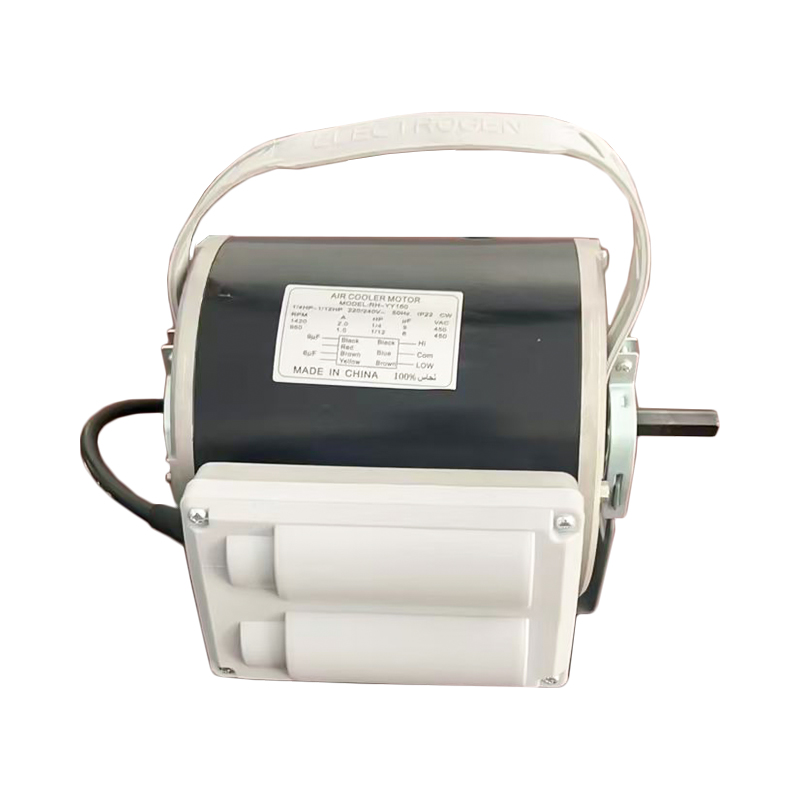
In evaporative air coolers, the impeller must overcome the pressure drop of a wet pad while maintaining acceptable airflow as the pad ages. The wheel and motor therefore need a margin for dirty or saturated conditions, not just a clean laboratory point. The air cooler motor range is organized around these compact, continuous-duty applications.
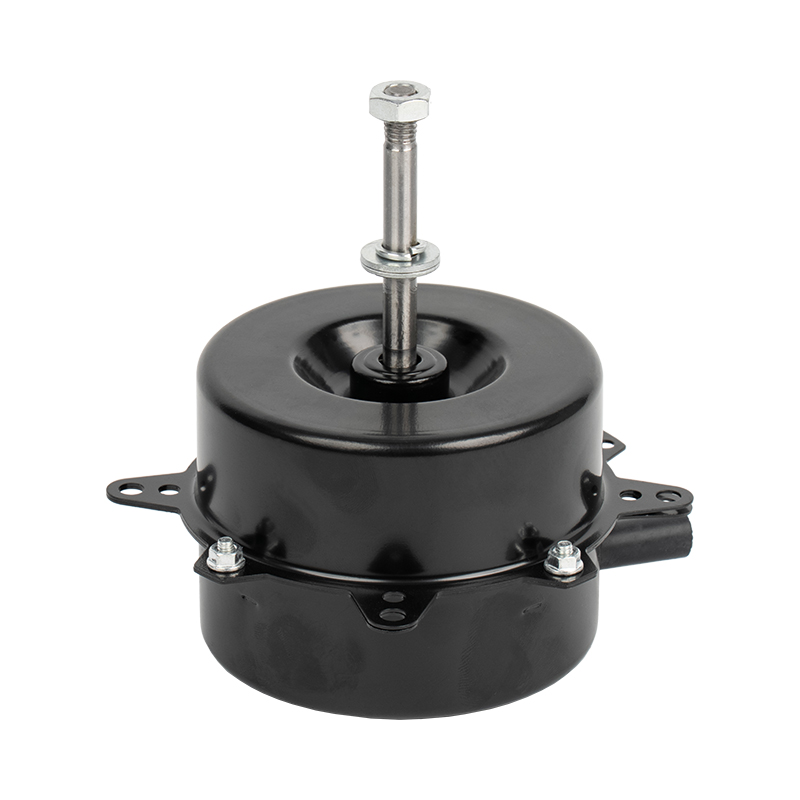
Cooling and drying blowers usually need a steadier pressure rise than a bare fan. Check whether the impeller is exposed to moist air, dust, or lint, and select a blade form that can be cleaned without losing balance. Industrial air purifiers often run at higher static pressure because of filters and ducting; there, a backward-curved or backward-inclined wheel is often more suitable than a forward-curved wheel, provided the air is reasonably clean.
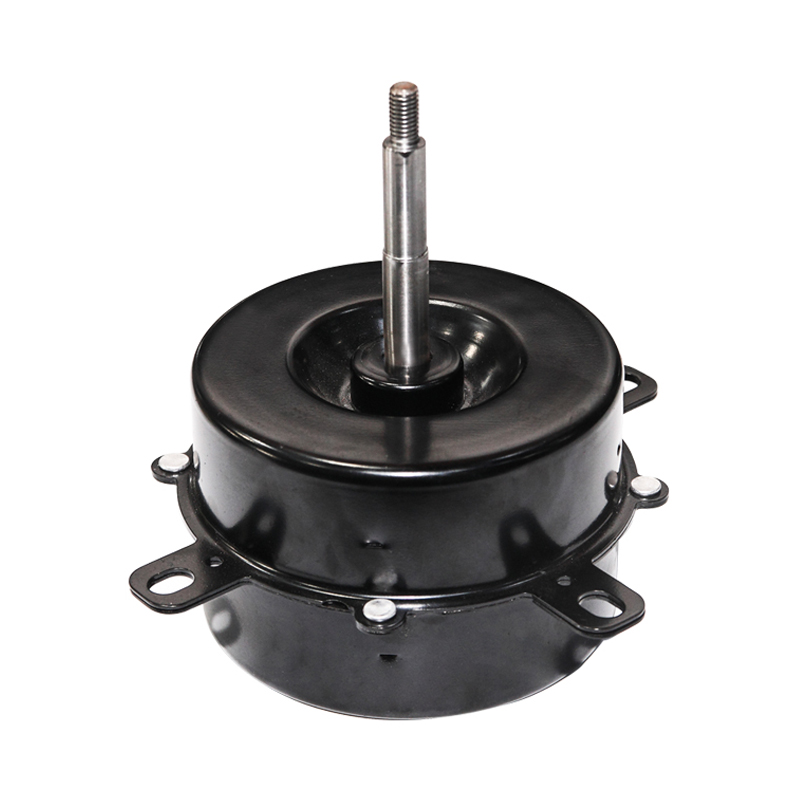
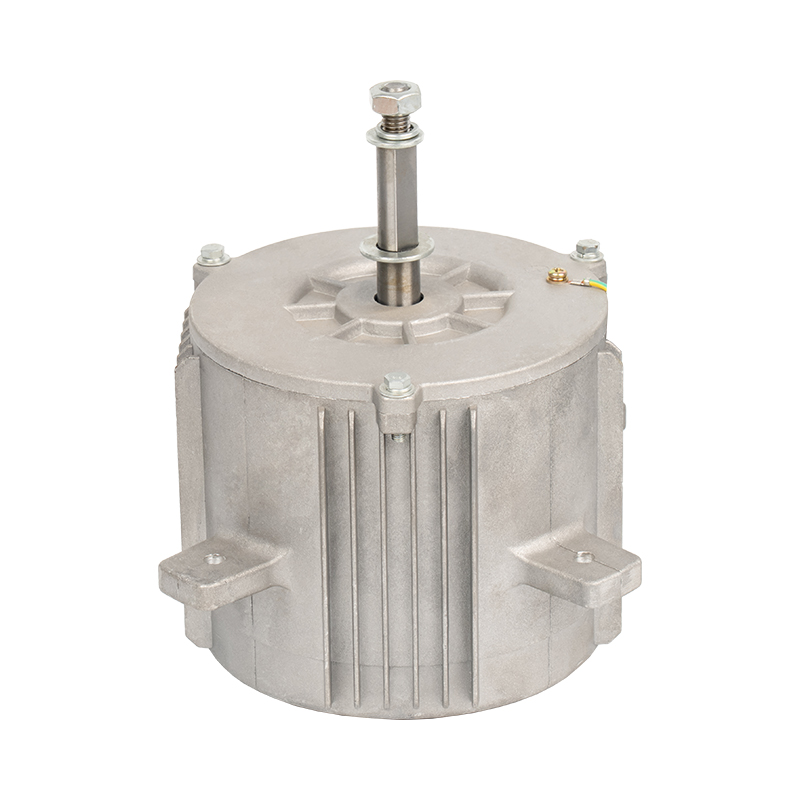
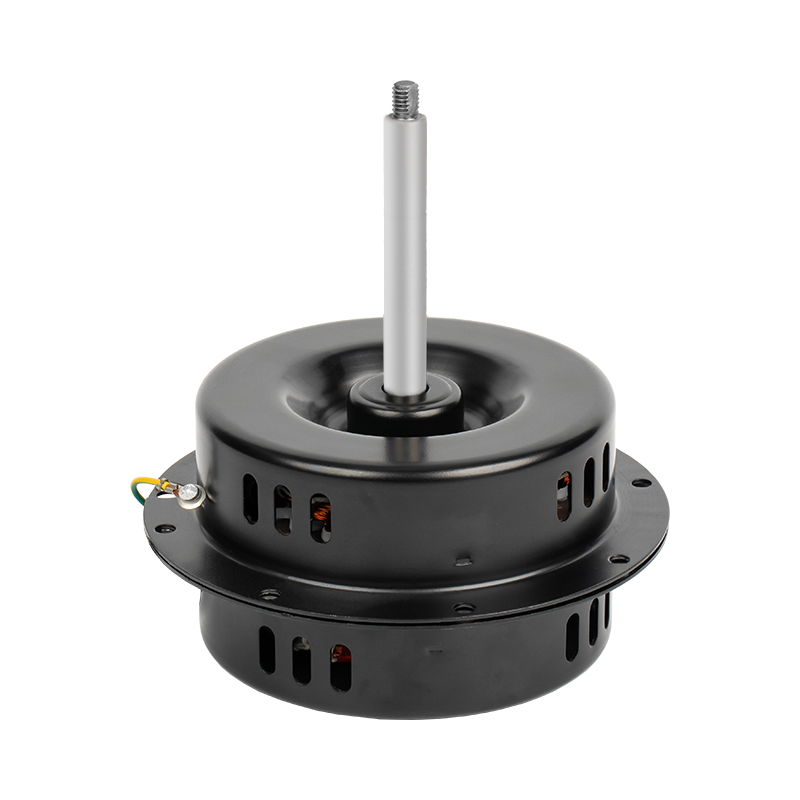 YYK-120 Industrial Air Purifier Fan MotorA durable all-aluminum motor for workshop, factory, and warehouse ventilation, with strong airflow, quiet operation, dust and splash protection, and overheating protection.View Product →
- Confirm the actual filter or pad pressure drop at replacement condition.
- Check that the motor’s rated speed matches the impeller curve, not just the frame size.
- Allow enough inlet clearance; a restricted eye can reduce flow and increase noise.
- Review rotation direction and outlet position before commissioning.
Installation and maintenance details that affect impeller life
Many “impeller faults” are installation faults. A missing cutoff, an elbow too close to the inlet, a distorted housing, or a loose fastener can change airflow and sound more than a small blade difference. Verify that the wheel rotates freely, that the inlet clearance is even, and that the impeller is tightened to the specified torque. On belt-driven units, check pulley alignment; on direct-driven units, check shaft runout and coupling fit.
Cleaning and inspection
Dust build-up changes both balance and blade passage shape. Clean according to the actual dust load rather than a fixed annual interval. Avoid caustic cleaners on aluminum wheels, and do not scrape plastic blades. After cleaning, inspect for cracks at welds, loose rivets, hub wear, and corrosion pits. Refit the wheel with the same orientation and fastener torque, then run a vibration check before returning the equipment to service.
FAQ
What is the difference between an impeller and a fan?
The impeller is the rotating blade wheel. The fan is the complete assembly, including the impeller, motor, housing, inlet, and outlet. Performance depends on the assembly, not the wheel alone.
Which centrifugal fan impeller is most efficient?
There is no universal winner. Backward-curved and airfoil wheels often show high efficiency in clean-air duties, but a forward-curved wheel can be the better compromise in a compact, low-pressure product. The duty point and installation decide.
Can I replace an impeller without changing the motor?
Sometimes, but only after checking speed, absorbed power, shaft fit, rotation, and balance. A wheel with a different blade angle can move the motor load outside its safe range even if the diameter is unchanged.
What data should I send for a selection check?
Send airflow, static pressure, system resistance details, motor speed and power, shaft drawing, available space, ambient conditions, and target noise level. A dimensional drawing and existing performance curve shorten the review.
If you are matching a centrifugal fan impeller to a motor for an air cooler, blower, or purifier, send the duty point, wheel drawing, and target noise level. Contact us with the application details so the motor and impeller can be checked as one system.


 Home
 Tel.: +86-13819807486
 Whatsapp:+86 13819807486
 E-mail:


