


 简体中文
 English
 عربى
Content
- 1 Where Centrifugal Fan Uses Start: Pressure, Not Just Airflow
- 2 HVAC and Building Air Movement
- 3 Dust Collection, Fume Extraction, and Material Handling
- 4 Appliance Air Systems: Range Hoods, Air Coolers, and Purifiers
- 5 Drying, Cooling, and Process Air
- 6 Motor Matching: The Part Buyers Often Undervalue
- 7 Procurement Checks That Prevent Expensive Mistakes
- 8 FAQ: Centrifugal Fan Uses in Practice
A maintenance lead at a food-processing plant once replaced a belt-driven centrifugal blower with a larger axial fan because the catalog airflow looked better. Two weeks later, the drying line ran unevenly. The new fan moved plenty of free air, but it could not hold pressure against the filter bank and ductwork. The lesson is simple: centrifugal fan uses are defined by pressure, not by airflow alone. If the job requires air to push through filters, coils, long ducts, or a narrow outlet, a centrifugal fan is usually the right starting point. If the job is moving a large volume of air through an open space, an axial fan often wins on simplicity. The rest of the selection follows from that first decision: impeller shape, motor speed, housing, bearing life, and noise tolerance.
That is the short answer. The longer answer is that centrifugal fans appear in HVAC, dust collection, drying, cooling, appliance exhaust, and air purification because the same radial airflow path solves a common problem: resistance. The fan must overcome static pressure while still delivering the airflow the process needs. Once you know the pressure and the air condition, the list of suitable fan and motor options becomes much shorter.
Where Centrifugal Fan Uses Start: Pressure, Not Just Airflow
Centrifugal fans draw air into the impeller eye, accelerate it radially, and discharge it through a scroll-shaped housing. That radial path converts velocity into static pressure more effectively than an axial fan of similar size. The practical result is a fan that can hold its flow rate as filters load, ducts narrow, or a heat exchanger adds resistance.
In use, the same machine appears under different names: a blower in an air handler, a draft fan on a burner, a dust-collection fan, or a range-hood blower. The name changes with the installation; the aerodynamic job does not. Buyers who compare only free-air CFM often miss the operating point that matters.
| Use case | Typical fan role | What to check |
|---|---|---|
| HVAC supply and return | Moves conditioned air through ducts, coils, and filters | Design static pressure, sound power, motor speed control |
| Dust and fume extraction | Pulls air from hoods and pushes it through filters or cyclones | Particle loading, wear protection, impeller type |
| Appliance exhaust | Removes grease, moisture, or odors through a short duct | Grease resistance, moisture protection, noise at low speed |
| Process drying and cooling | Delivers air to a drying tunnel, oven, or cooling zone | Temperature, continuous duty, airflow uniformity |
| Air purification | Pushes air through HEPA, carbon, or pre-filters | Pressure drop as filters load, sealing, motor thermal margin |
A table like this is more useful than a long list of industries because it links each use to the air-path condition that drives fan selection. Two installations in the same industry can need different impellers if one has a clean airstream and the other carries dust, grease, or moisture.
HVAC and Building Air Movement
HVAC is the largest single use for centrifugal fans. Air-handling units, fan coils, ducted split systems, and variable-air-volume boxes all need fans that can push air through filters, coils, and long duct runs. Forward-curved impellers are common in packaged air handlers because they deliver high airflow at low pressure in a compact housing. Backward-curved impellers are better where duct runs are long, filters are dense, or energy use is under scrutiny. Plug fans and inline centrifugal fans appear in retrofit work where space is tight.
The procurement risk is accepting a free-air CFM rating. Ask for a fan curve at the design static pressure and a sound rating at the actual operating speed. A fan that is quiet at full speed can still whistle at 60% speed if the duct layout is poor. Check the motor speed range, bearing type, and condensate protection. In humid climates, a motor that is not protected against moisture can fail long before the fan curve becomes the problem.
Dust Collection, Fume Extraction, and Material Handling
Dust collection and fume extraction are pressure-heavy uses. The fan must pull air from hoods and push it through ductwork, filters, cyclones, or scrubbers. Radial impellers are often selected for dirty air because their open blade shape resists build-up and can tolerate abrasive particles. But “dust fan” is not a generic category. Wood dust, welding fume, metal polish, and granular material behave differently. A fan after a cyclone sees less loading than one before a filter. Wear liners, replaceable wear plates, and a robust bearing arrangement matter more than a small efficiency gain.
Check the fan’s temperature rating, duty cycle, and service access. Where the process requires spark-resistant construction, use a fan designed for that application and follow local safety requirements. Material-handling fans also need to handle the possibility of stringy or heavy debris; a standard HVAC impeller is not the right choice.
Appliance Air Systems: Range Hoods, Air Coolers, and Purifiers
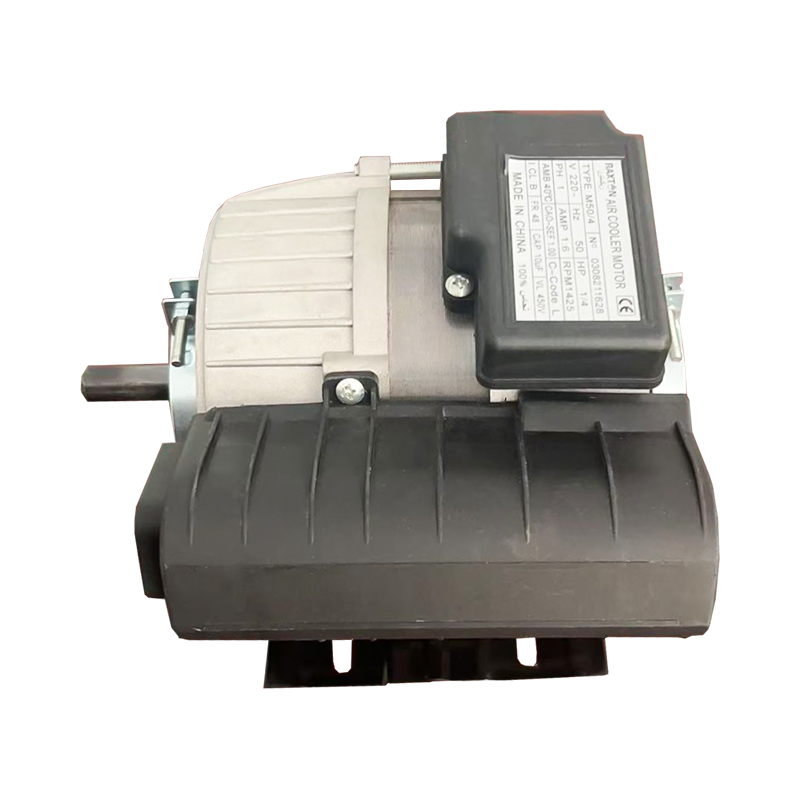
Appliance air systems are where centrifugal fan uses become familiar to buyers. A range hood needs pressure to push air through a grease filter, a short duct, and a wall cap. The blower is often a centrifugal wheel; the motor must handle grease-laden air, heat, and repeated cleaning. Evaporative coolers use a blower to push air through a wet pad, so moisture is the enemy of motor insulation and bearings. Air purifiers use centrifugal blowers because HEPA and carbon filters add static pressure. As the filter loads, the fan must have thermal margin.
Not every appliance uses a centrifugal fan. Tower fans and some compact air circulators use axial or cross-flow impellers. Check the air path before assuming a centrifugal blower is inside. For a cooler or purifier, the motor’s enclosure, insulation, and bearing protection matter as much as the fan curve.
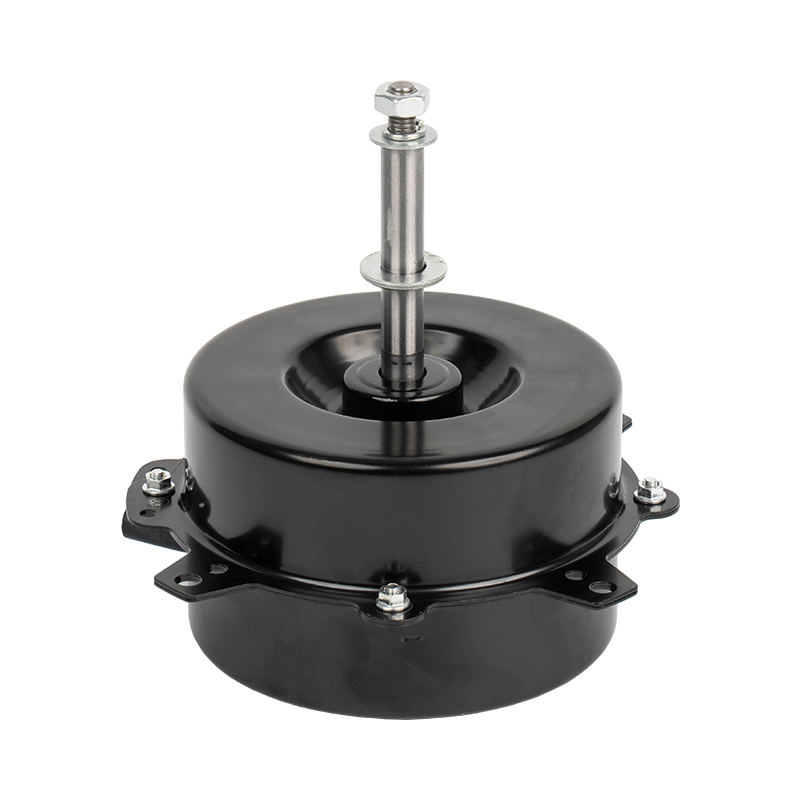
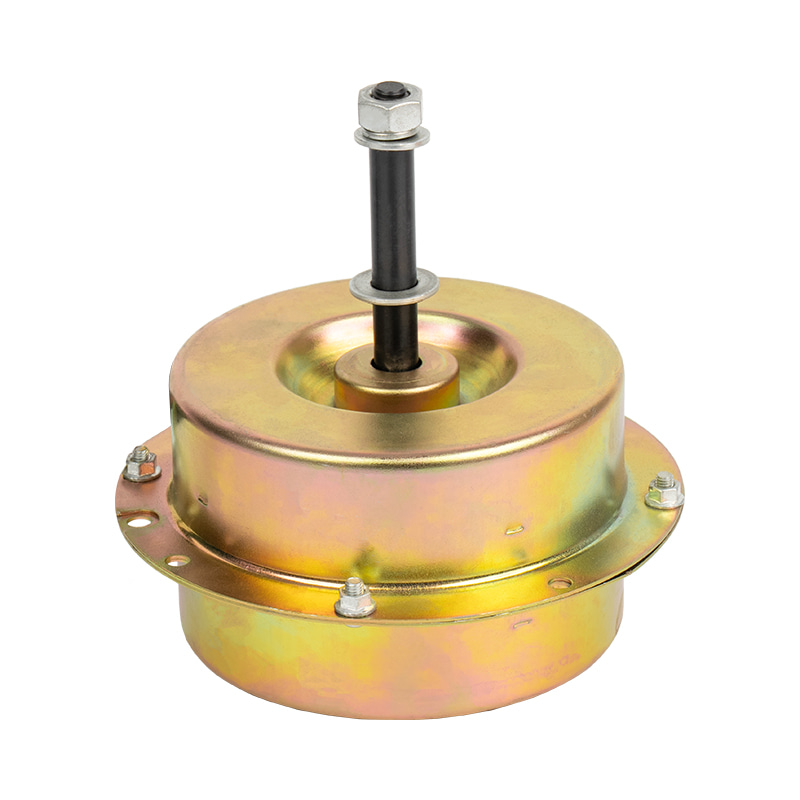
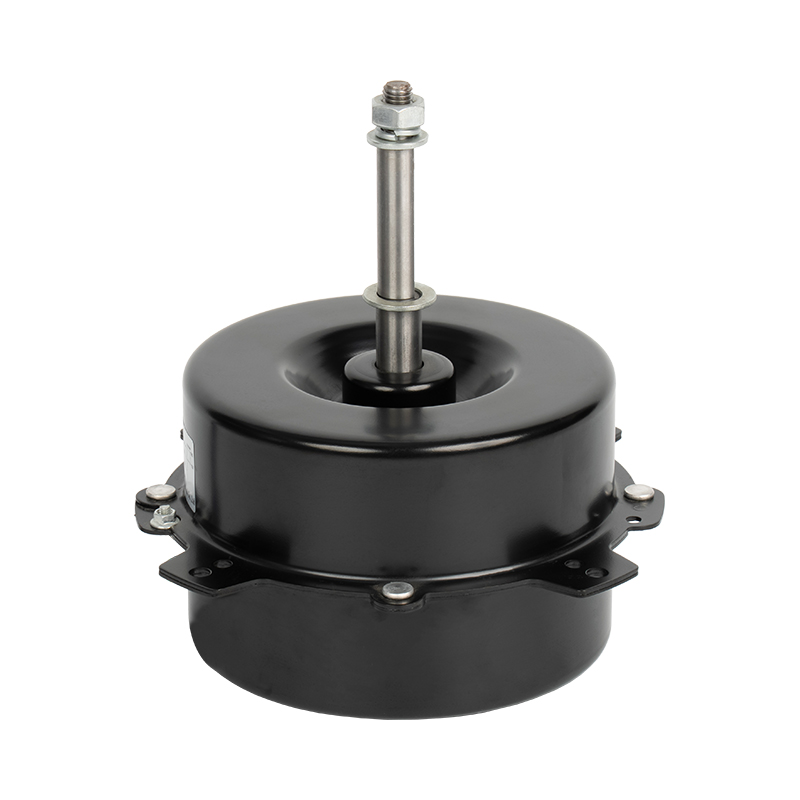
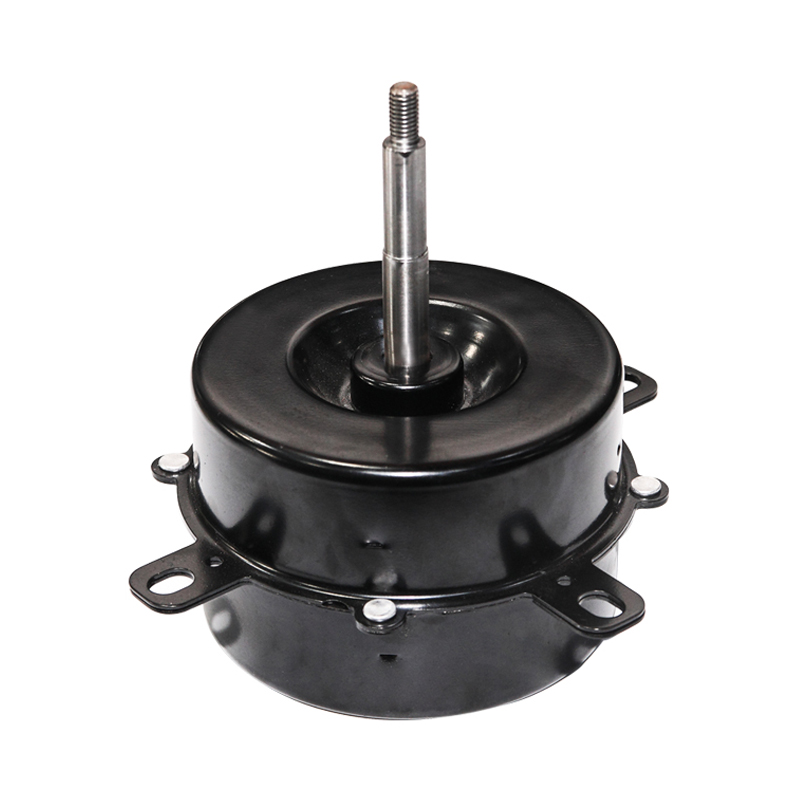
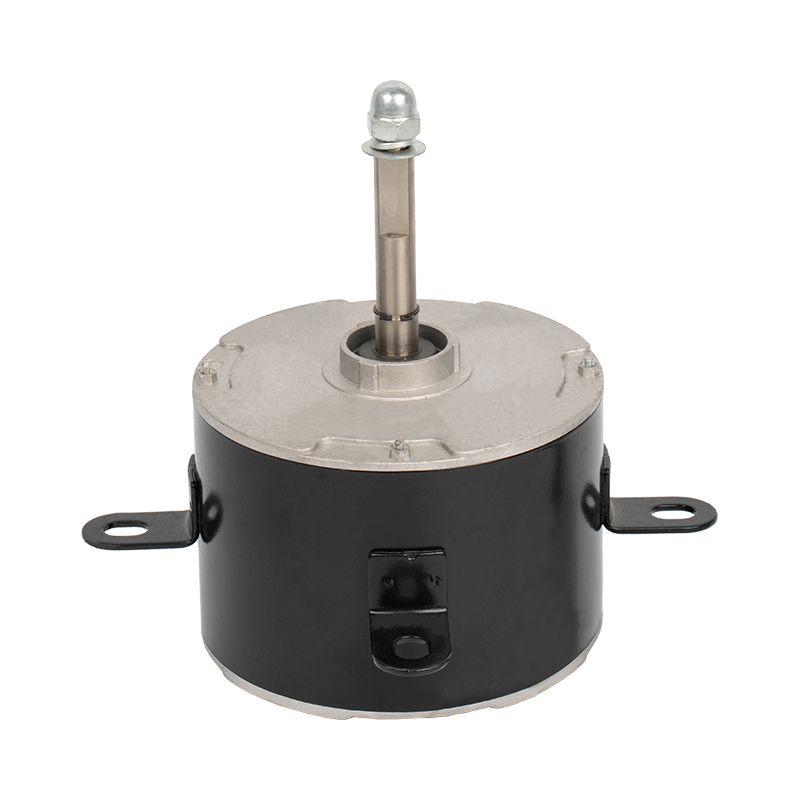
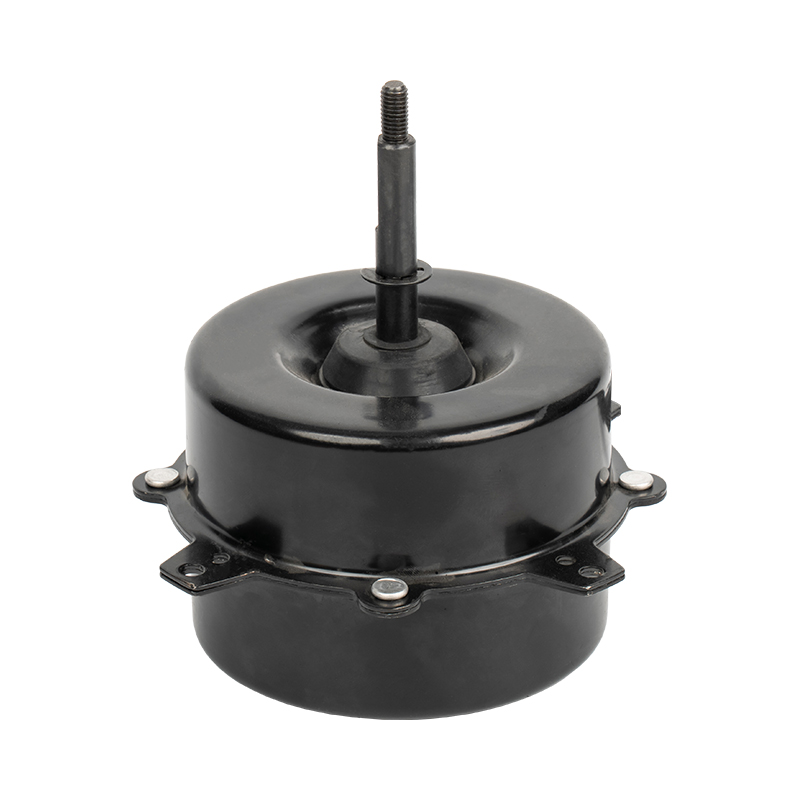 120W Energy-Efficient Air Cooler Motor YYK-120A 120W air-cooler motor with dust and moisture protection, overheating protection, and low-noise operation for humid, repeated-start cooling equipment.View Product →
In air coolers, a motor that tolerates humid air and repeated starts is more valuable than a marginal price saving. Sealed bearings, suitable insulation, and a consistent speed under load are practical selection points.
Drying, Cooling, and Process Air
Drying, cooling, and process air are industrial uses where the fan is part of the quality system. A drying tunnel may need uniform velocity across a wide face; a single centrifugal fan with a plenum can do that, but the duct design must spread the air. A cooling zone may need higher pressure to push air through a dense product bed. In both cases, the fan curve must be read together with the system resistance, not in isolation.
For industrial air purification, the fan often runs continuously. Motor thermal margin, bearing life, and service access matter more than a small first-cost saving. If the air stream carries oil mist, fine dust, or moisture, the impeller and motor protection must be selected for that condition. A standard open motor is rarely the best choice in a wash-down or humid area.
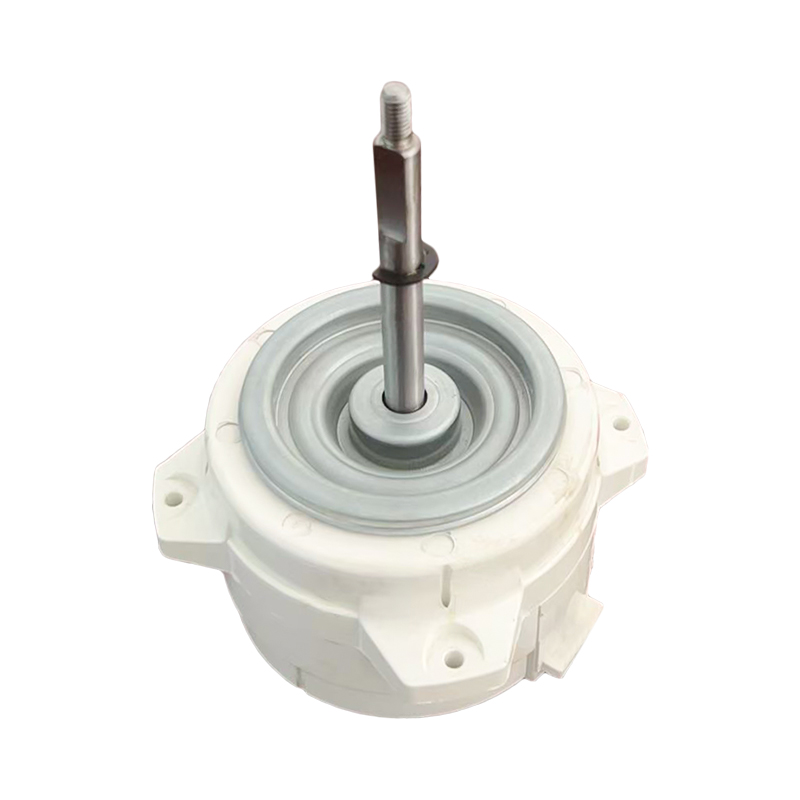
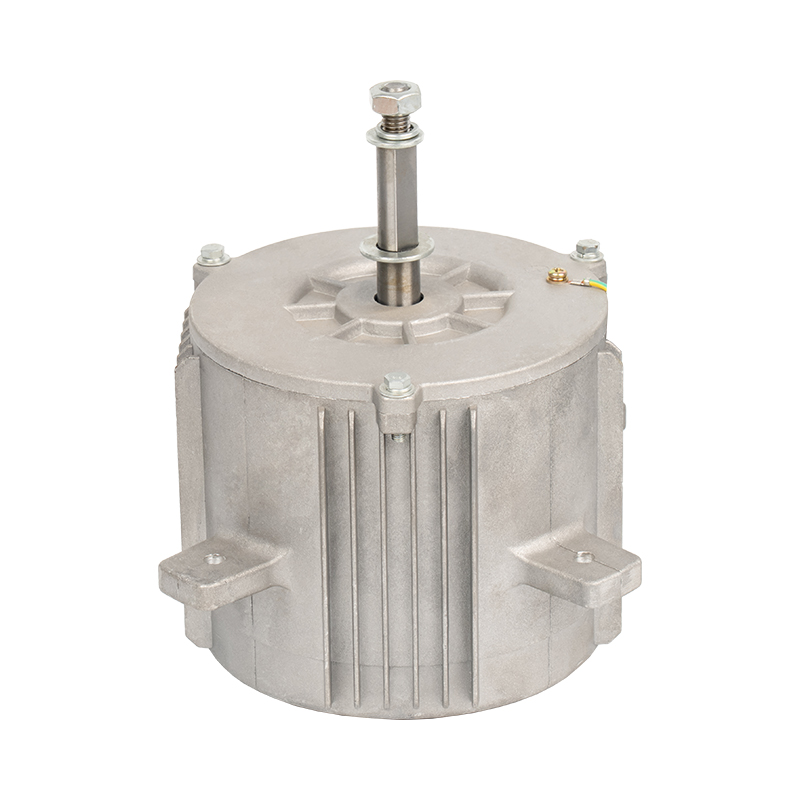
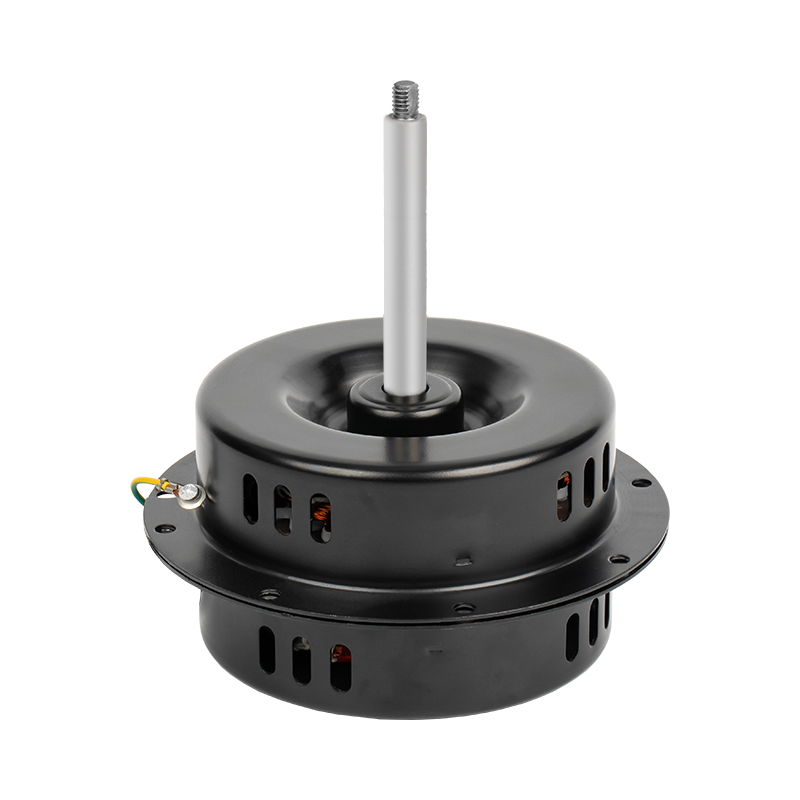 Industrial Air Purifier Motor YYK-120An industrial YYK-120 motor with an aluminum shell, dust and splash protection, sealed bearings, and overheating protection for purifier airflow in dusty workshops.View Product →
Industrial purifiers often combine a high-static-pressure fan with a large filter bank. The fan must deliver the required airflow when the filters are clean and still have enough margin when they load. That margin is a motor and impeller decision, not just a filter decision.
Motor Matching: The Part Buyers Often Undervalue
The motor is not a separate purchase from the fan; it is part of the airflow system. A centrifugal impeller has a speed-torque curve. If the motor is undersized or the drive setting is wrong, the fan may run at the right speed on paper but draw too much current when the filter loads. Check voltage and frequency, continuous duty rating, insulation class, ambient temperature, bearing type, thermal protection, and rotation. A slight impeller imbalance becomes a bearing problem at high speed. A motor that is quiet on a bench can be noisy in a sheet-metal housing.
For blower and dryer applications, a motor designed for the airflow path and duty cycle is more reliable than a general-purpose motor. If the blower runs in a warm enclosure, the motor’s cooling path and insulation class matter. If the blower starts and stops often, starting current and thermal protection deserve a second look. For a deeper look at how blower motors are built, see this guide to blower motor fundamentals.
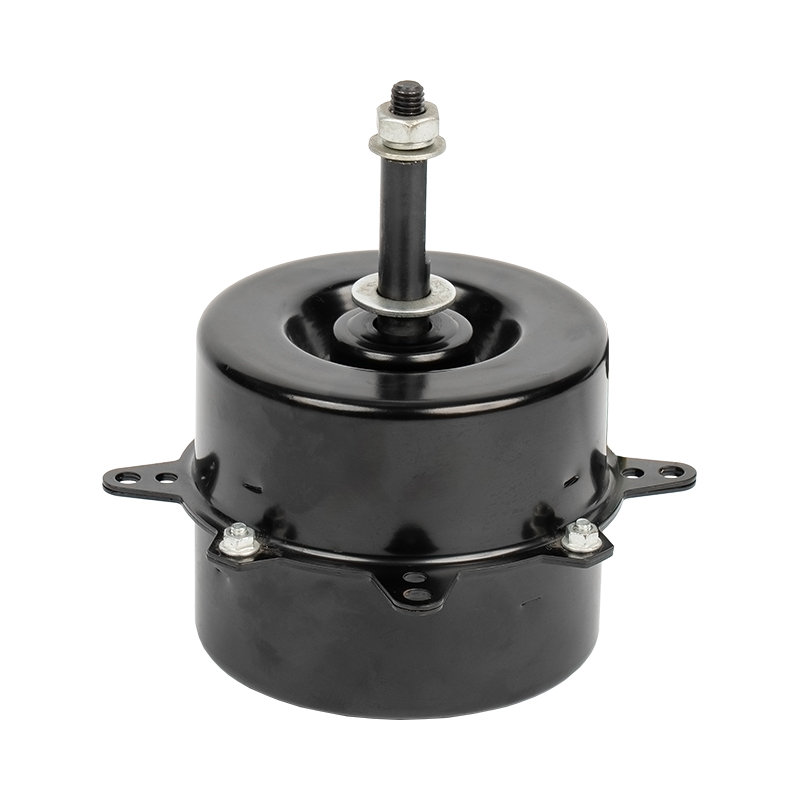
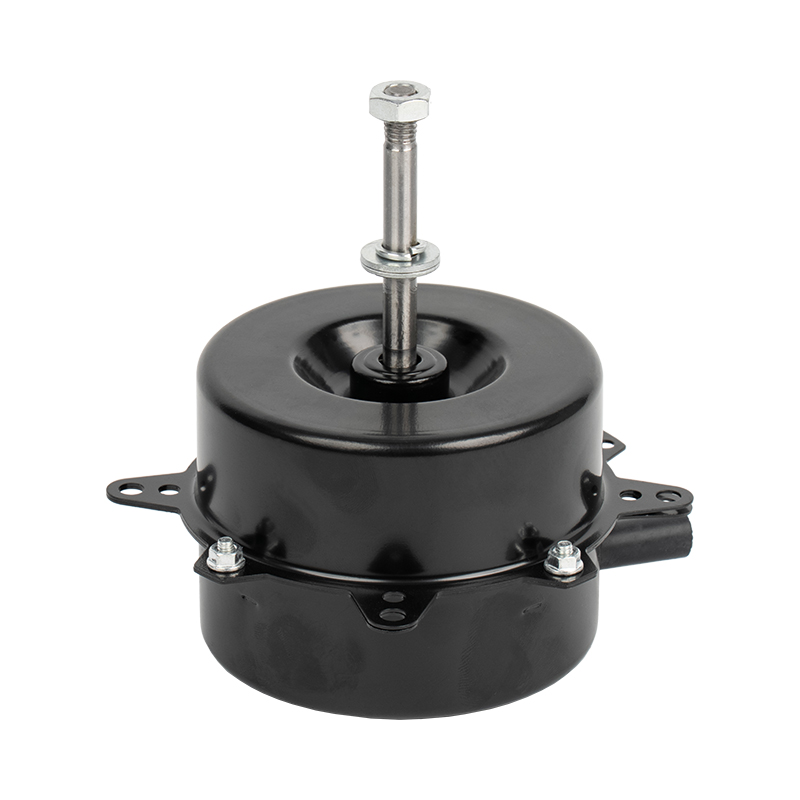
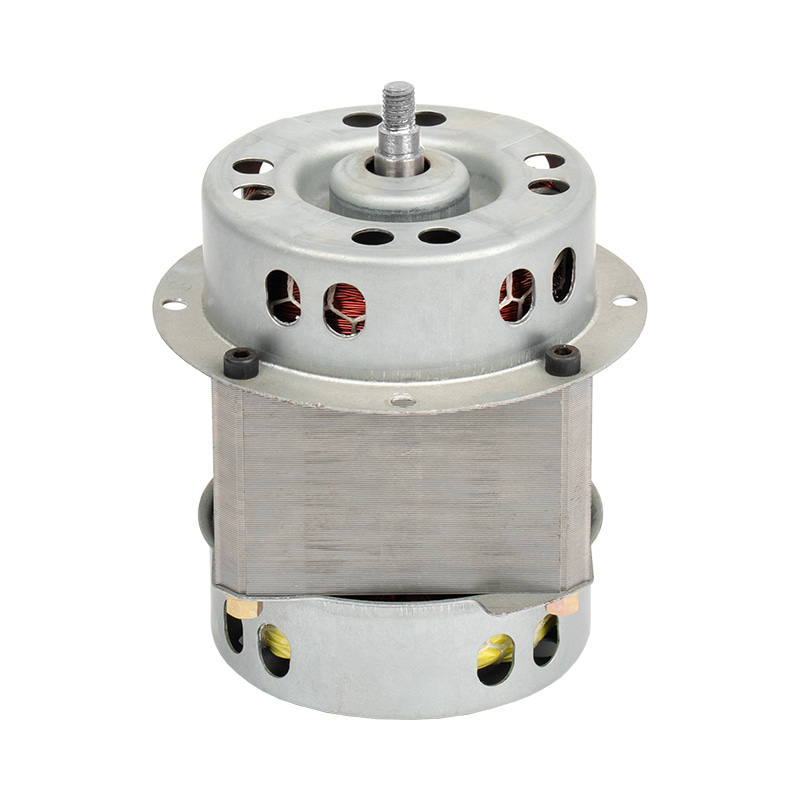 YYK-60 Medium Blower Motor for Cooling and DryingA quiet, sealed YYK-60 blower motor with IP55 protection, low vibration, and quick-disassembly design for noise-sensitive cooling and drying equipment.View Product →
In cooling and drying blowers, the motor must hold speed as the air path changes. A motor with suitable thermal margin and bearing protection will usually outperform a lower-cost unit that is pushed close to its limit.
Procurement Checks That Prevent Expensive Mistakes
Procurement mistakes usually come from missing data, not from a bad fan. Before you compare quotations, put the operating point in writing:
- Required airflow at the design static pressure, not free-air CFM.
- Air density, temperature, and any dust, grease, or moisture in the stream.
- Sound limit at the actual operating speed and measurement distance.
- Motor voltage, frequency, speed range, duty cycle, insulation, and bearing type.
- Available space, duct connection, rotation, and service access.
A ±5% airflow tolerance at a defined test point is common, but it does not cover installation effects. Elbows, louvers, filters, and poor inlet conditions can cost more airflow than the fan’s catalog tolerance. Ask for the test standard and the fan speed. AMCA 210 / ASHRAE 51 is a common reference for fan airflow testing; motor data should match IEC or local nameplate requirements. If a supplier cannot explain the operating point, the quotation is incomplete.
FAQ: Centrifugal Fan Uses in Practice
What are the main centrifugal fan uses?
They include HVAC supply and return air, dust and fume extraction, process drying and cooling, appliance exhaust such as range hoods, and air purification through HEPA or carbon filters. The common thread is a system that needs pressure, not just open-air movement.
Can a centrifugal fan handle dusty air?
Yes, but the impeller and housing must suit the dust. Radial fans are often used for dirty or abrasive streams, while backward-curved fans are better for cleaner air and higher efficiency. Wear protection and service access matter.
Why does airflow drop after installation?
System resistance is usually higher than expected. Filters, duct elbows, louvers, and poor inlet conditions all reduce flow. Check rotation, fan speed, filter condition, and the actual static pressure before blaming the fan.
Are centrifugal fans used in range hoods and air coolers?
Many are, because grease filters, ducts, wet pads, and wall caps create resistance. The motor must be protected against grease, moisture, and heat. Not every appliance uses a centrifugal blower, so confirm the air path.
What motor details should I confirm before ordering?
Confirm voltage, frequency, speed, continuous duty rating, insulation class, ambient temperature, bearing type, thermal protection, and rotation. For humid or greasy air, check the enclosure and moisture protection as well.
Centrifugal fan uses are wide, but the selection logic is narrow: define the pressure, the air condition, and the duty cycle before choosing the impeller or the motor. A fan that is oversized on airflow but undersized on pressure will disappoint. A motor that is cheap on paper but wrong for moisture, grease, or continuous duty will cost more in service calls. If you are matching a centrifugal blower to a motor for an air cooler, range hood, industrial purifier, or process-air system, talk through your airflow and motor requirements with the team before the next order.


 Home
 Tel.: +86-13819807486
 Whatsapp:+86 13819807486
 E-mail:


