


 简体中文
简体中文
 English
  عربى
عربى Content
- 1 Why Motor Selection Matters for Industrial Air Purifiers
- 2 Motor Types Compared: Which One Fits Your Application?
- 3 Key Specifications to Evaluate When Choosing an Industrial Air Purifier Motor
- 4 Power Requirements by Application Scale
- 5 BLDC vs AC Induction: A Practical Decision Guide
- 6 How Industrial Air Purifier Motors Differ from Other Appliance Motors
- 7 What to Ask Your Motor Factory or Supplier
- 8 Energy Efficiency: The Long-Term Cost Factor
For an industrial air purifier, you typically need a brushless DC (BLDC) motor rated between 200W and 1,100W, depending on the coverage area and filtration load. Small workshop units may run on 200–400W motors, while large factory or warehouse purifiers require 750W–1.1kW AC induction or high-torque BLDC motors running at 1,500–3,000 RPM.
Why Motor Selection Matters for Industrial Air Purifiers
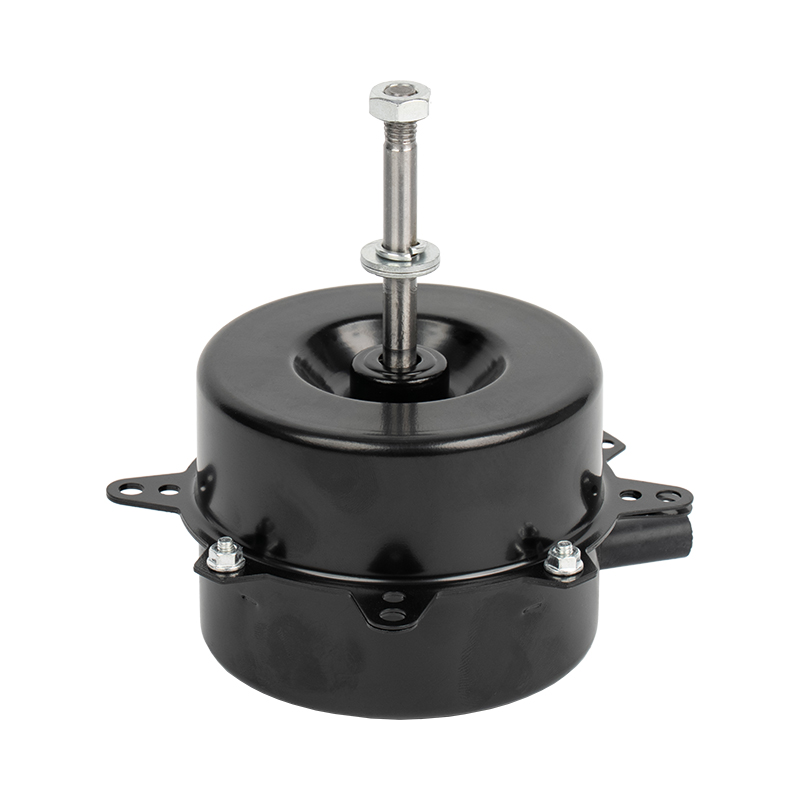
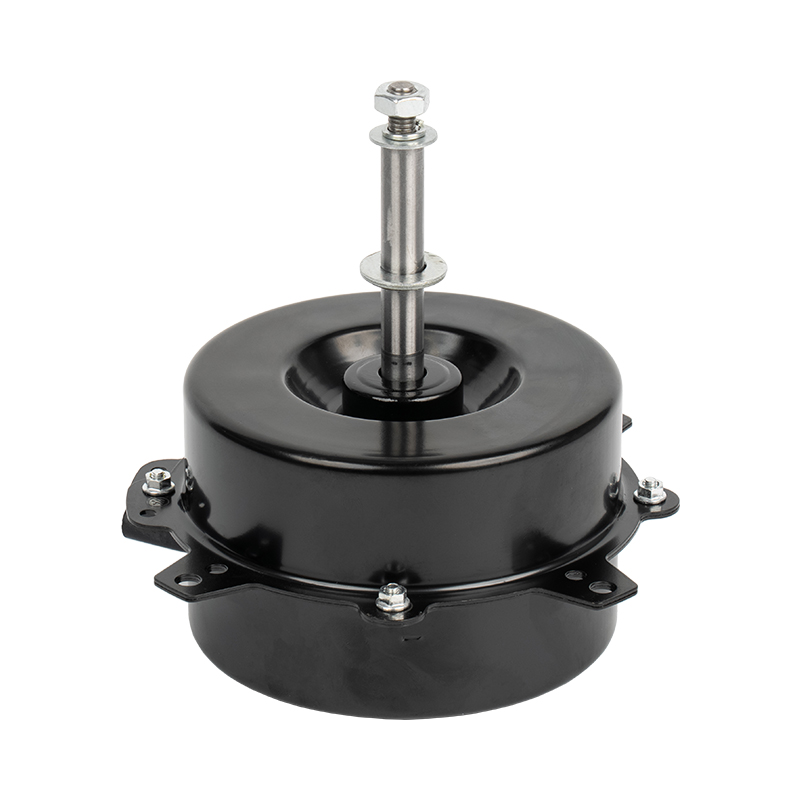
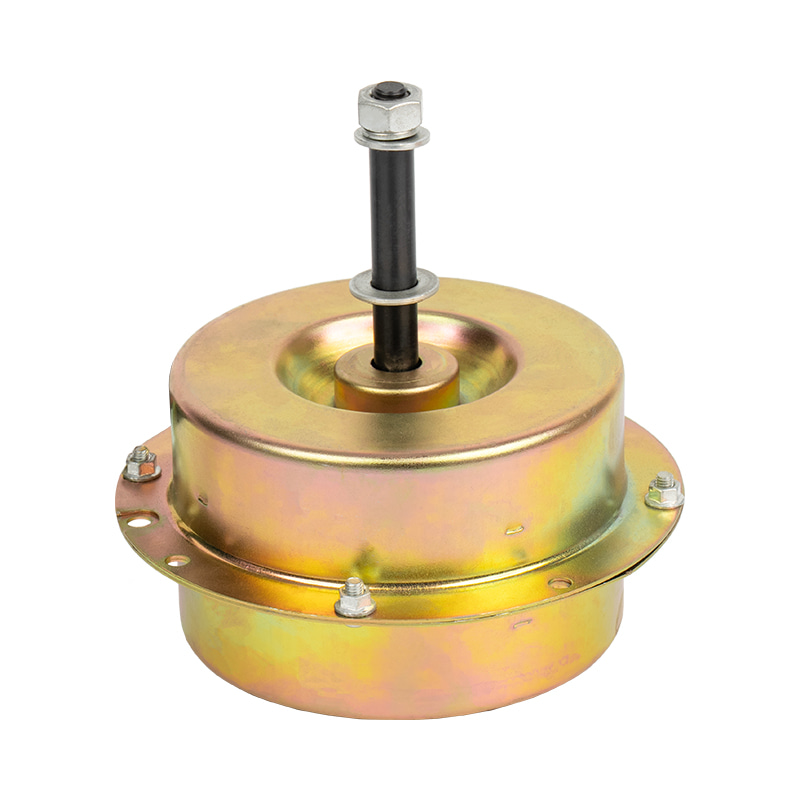
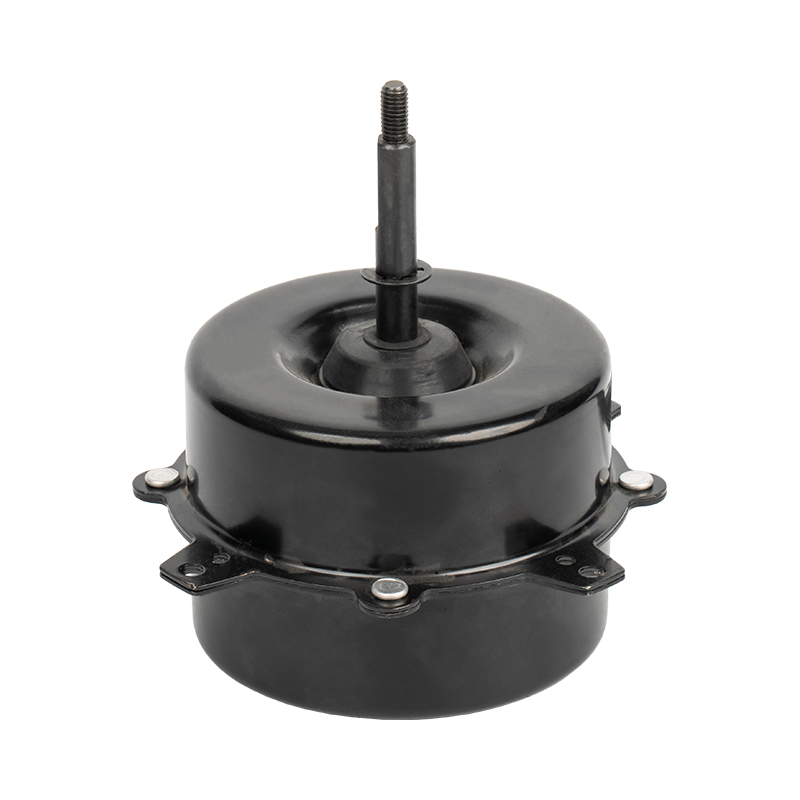
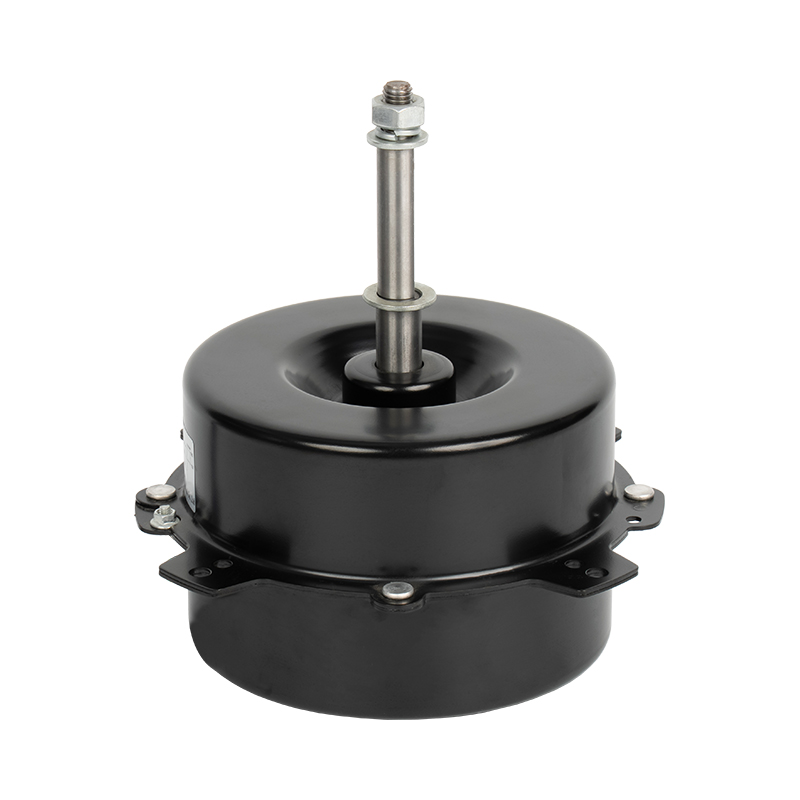
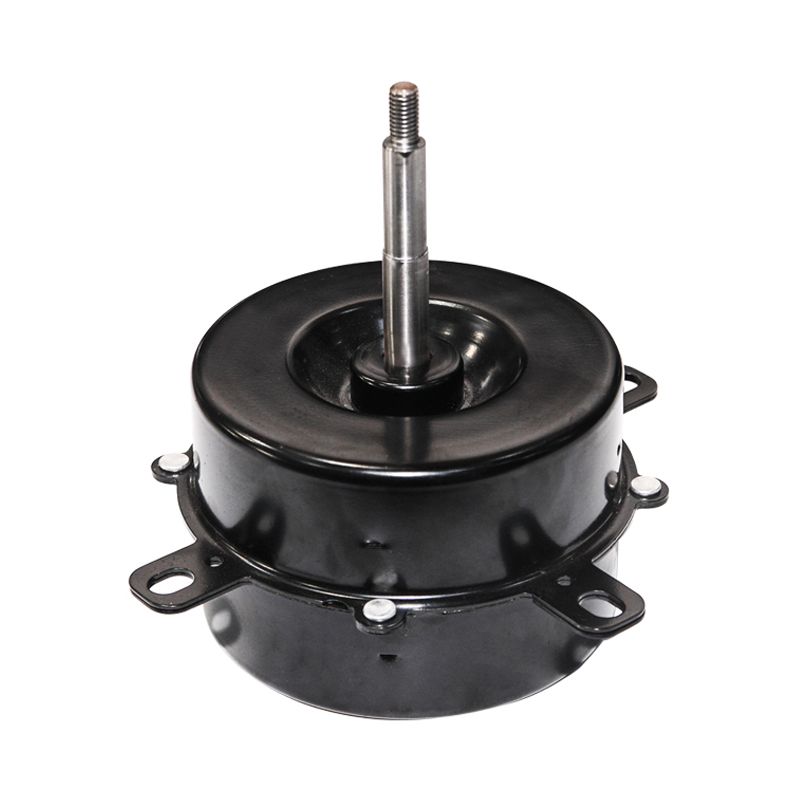
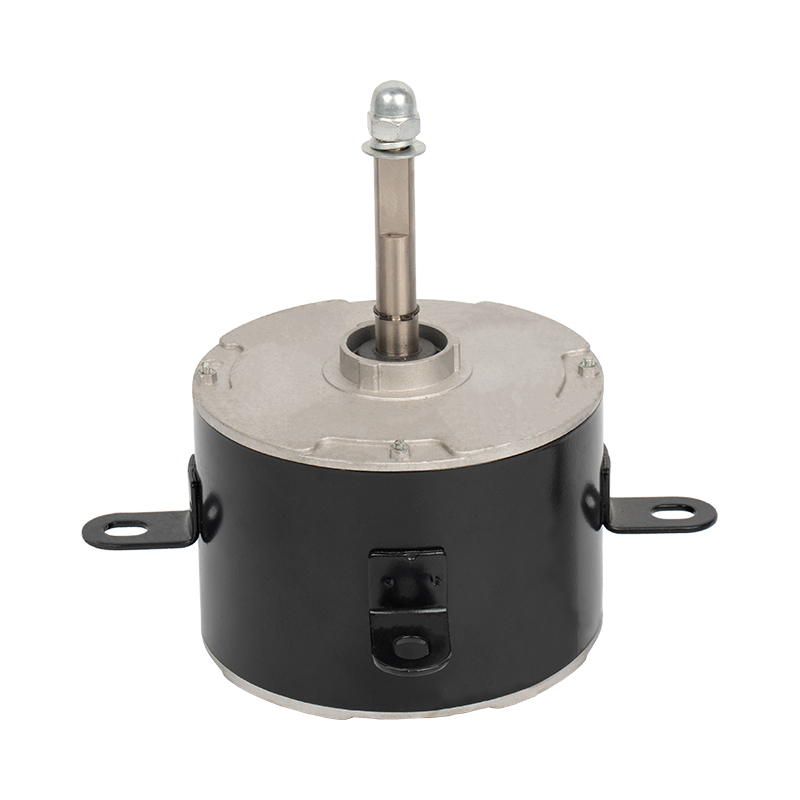
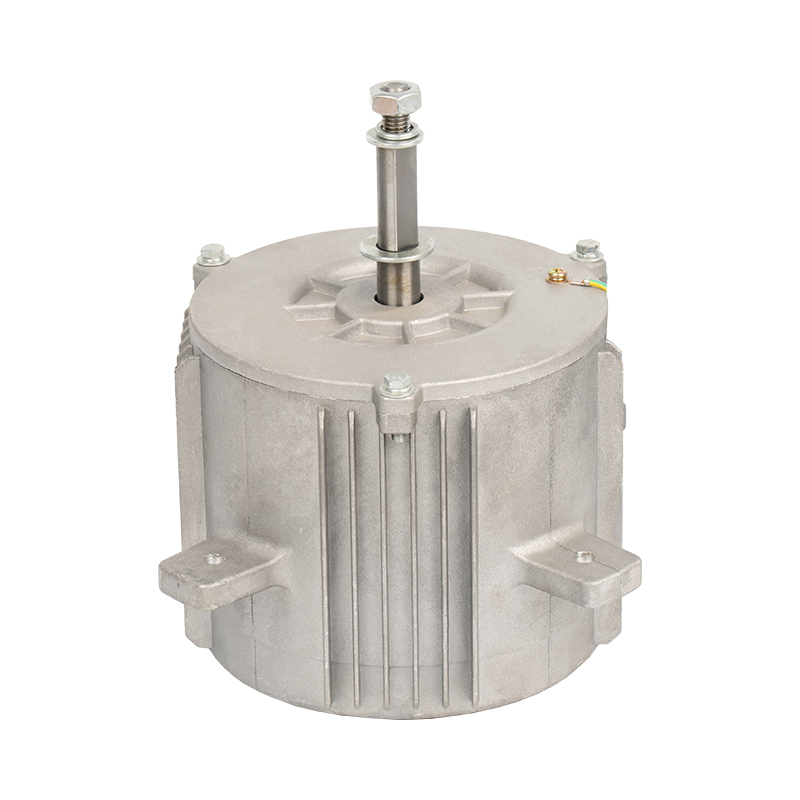
The motor is the core of any industrial air purifier motor system. It drives the fan or blower that pulls contaminated air through HEPA filters, activated carbon layers, or electrostatic cells. The wrong motor means insufficient airflow, rapid wear, or excessive noise — any of which compromises air quality compliance and worker safety.
In industrial environments — welding shops, chemical plants, woodworking facilities, and pharmaceutical manufacturing — motors must handle continuous duty cycles, exposure to particulates and fumes, and wide temperature ranges. This sets industrial requirements far apart from those of residential or commercial units.
Motor Types Compared: Which One Fits Your Application?
Three motor categories dominate the industrial air purifier market. Each has distinct strengths:
| Motor Type | Typical Power | Speed Range | Best For | Key Advantage |
|---|---|---|---|---|
| Brushless DC (BLDC) | 28W – 600W | 2,000 – 5,500 RPM | Medium industrial units | Low noise (<35dB), 30,000+ hour lifespan |
| AC Induction Motor | 600W – 1,100W | 1,500 – 3,000 RPM | Heavy-duty factory systems | High durability, heat & vibration resistance |
| Brushed DC Motor | 15W – 300W | 1,500 – 4,000 RPM | Budget or lower-duty units | Lower upfront cost |
For most industrial air purifier applications, the BLDC motor is the recommended choice. It delivers noise levels below 35dB, energy efficiency exceeding most AC alternatives, and a service life exceeding 30,000 hours — reducing downtime and maintenance costs over the equipment lifecycle.
Key Specifications to Evaluate When Choosing an Industrial Air Purifier Motor
Beyond the basic wattage rating, several parameters determine whether a motor is truly fit for purpose in an industrial setting:
- Voltage: Industrial motors commonly operate at 220V (single-phase) or 380V (three-phase). Confirm compatibility with your facility's power supply before specifying.
- Torque: Higher static pressure in industrial ductwork or multi-stage filtration systems demands higher torque. A unit rated at 125 mN·m suits mid-range applications; heavy filtration may require 300–600 mN·m.
- Speed (RPM): Higher RPM drives greater airflow volume (CFM/CMH). Variable-speed motors with PWM control let operators adjust airflow based on real-time contamination load — a critical feature in environments with fluctuating particulate levels.
- Insulation Class: Class F (155°C) or Class H (180°C) insulation is standard for motors running continuous-duty cycles in warm industrial spaces.
- IP Rating: IP54 or higher protects the motor from dust ingress and water splashing — important in manufacturing or food processing environments.
- Noise Level: Industrial standards typically require below 40dB for occupied workspaces. Premium BLDC motors achieve below 35dB.
Power Requirements by Application Scale
Choosing the right motor wattage starts with the size of the space and the type of airborne contaminants being handled. The following reference guide covers common industrial scenarios:
| Application | Room/Zone Size | Recommended Motor Power | Motor Type |
|---|---|---|---|
| Small workshop / lab | Up to 100 m² | 200W – 400W | BLDC |
| Medium factory floor | 100 – 500 m² | 400W – 750W | BLDC or AC Induction |
| Large warehouse / plant | 500 m² and above | 750W – 1,100W | AC Induction Motor |
| Chemical / welding environment | Any size | 600W – 1,100W (explosion-proof) | Specialty AC or BLDC |
In chemical processing or welding shops, explosion-proof motor designs are a regulatory requirement, not an optional upgrade. These are typically available in both AC induction and BLDC configurations with corrosion-resistant coatings to handle exposure to acidic or alkaline fumes.
BLDC vs AC Induction: A Practical Decision Guide
If your operation runs the purifier for 8+ hours per day under consistent load, a BLDC motor will deliver significantly lower total operating costs due to its superior energy efficiency. An AC induction motor has a lower purchase price but draws more power over time and requires more maintenance in abrasive environments.
In environments with explosive or volatile atmospheres — such as paint spray booths or solvent storage areas — motor selection must comply with ATEX or IECEx directives. In these cases, a specialist explosion-proof motor should always be specified, regardless of wattage.
For facilities requiring variable airflow response — such as smart air quality monitoring systems — a BLDC motor with PWM speed control is far easier to integrate with sensor feedback loops. This also applies to blower motor applications in ducted systems where demand changes throughout the day.
How Industrial Air Purifier Motors Differ from Other Appliance Motors
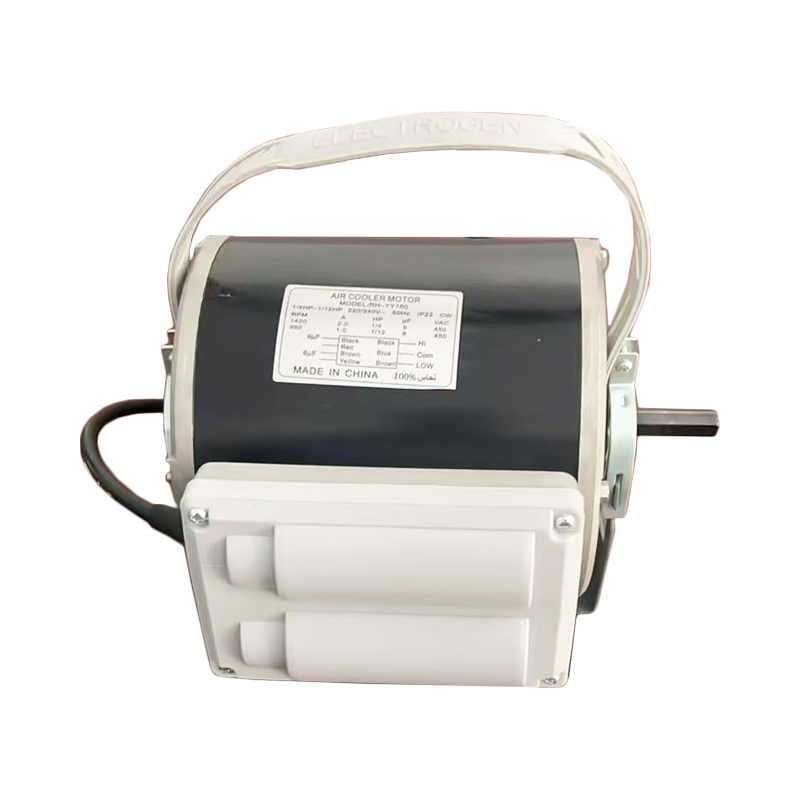
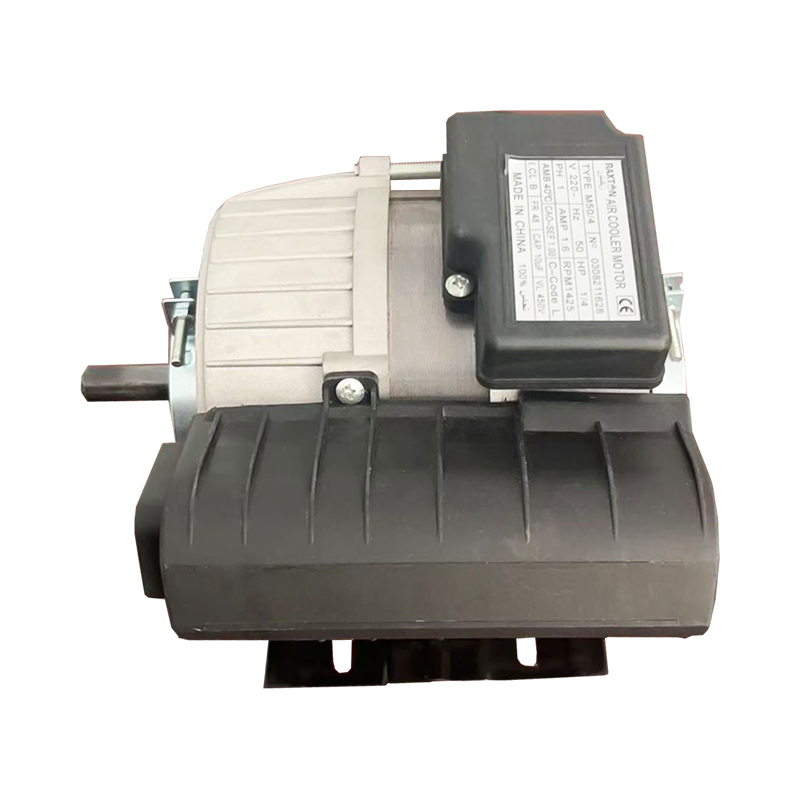
It is worth distinguishing the industrial air purifier motor from motors used in adjacent products. A tower fan motor or air cooler motor is designed for lightweight, intermittent duty — typically running at lower RPMs under minimal static pressure. A range hood motor handles grease-laden air but in short bursts. A washing machine motor or wall breaking machine motor is optimized for high torque, not continuous airflow.
The industrial air purifier motor, by contrast, must sustain continuous operation, handle high static pressure from dense HEPA media, and maintain stable performance under thermal stress. This makes the motor selection process more rigorous and the quality requirements more demanding than most domestic appliance motor applications.
What to Ask Your Motor Factory or Supplier
When sourcing an industrial air purifier motor — whether from a motor factory directly or through a component distributor — the following checklist helps ensure specification alignment:
- What is the maximum continuous-duty power rating, not just the peak rating?
- What is the measured noise level at rated RPM under load (not idle)?
- What certifications does the motor carry? (CE, UL, RoHS, ATEX if applicable)
- Is the motor compatible with a variable frequency drive (VFD) or PWM controller?
- What is the warranty and expected mean time between failures (MTBF)?
- Can the motor be customized for voltage, shaft dimensions, or mounting configuration?
Leading motor factories offer customization services for voltage, speed, shaft size, and mounting bracket configuration — enabling OEM integrators to source a motor precisely matched to their air purifier chassis and filtration load without overspecifying power and inflating cost.
Energy Efficiency: The Long-Term Cost Factor
Industrial air purifiers run continuously in most facilities. A 50W difference in motor efficiency translates to roughly 438 kWh per year at continuous operation — a meaningful operational cost over a 5-year equipment life. Specifying an IE4 Super Premium Efficiency-rated AC motor or a high-efficiency BLDC motor directly reduces energy expenditure and supports sustainability reporting requirements for larger enterprises.
Additionally, lower heat generation in high-efficiency motors extends insulation life, reduces the risk of thermal shutdown, and lowers cooling requirements within the purifier enclosure — further reducing total system complexity.


 Home
Home  Tel.: +86-13819807486
 Whatsapp:+86 13819807486
 E-mail:


