


 简体中文
简体中文
 English
  عربى
عربى Content
The short answer is this: a motor converts electrical energy into mechanical motion, while an engine converts chemical energy (from fuel combustion) into mechanical motion. A Washing Machine Motor or a Tower Fan Motor runs on electricity and produces rotation, whereas a car engine burns gasoline or diesel to push pistons and create power. This single distinction explains almost every other difference between the two — efficiency, noise, maintenance needs, and where each one is used.
Quick comparison: Motors = electric input, cleaner, quieter, used in appliances and industrial equipment. Engines = fuel input, combustion-based, used in vehicles, generators, and heavy machinery.
Energy Source Is the Defining Factor
Every other difference between a motor and an engine starts here. Motors are powered by electricity, drawn from a wall outlet, a battery, or a generator. Inside the motor, electrical current passes through coils of wire, creating a magnetic field that pushes against magnets to spin a shaft. There is no burning, no exhaust, and no fuel tank involved.
Engines, on the other hand, rely on combustion. A small amount of fuel — gasoline, diesel, propane, or natural gas — is mixed with air and ignited inside a sealed chamber. The rapid expansion of hot gases pushes a piston, which turns a crankshaft. This process is mechanically more complex and produces byproducts like heat, noise, and exhaust gases.
| Feature | Motor | Engine |
| Energy input | Electricity | Combustible fuel |
| Output | Rotational mechanical energy | Rotational or linear mechanical energy |
| Byproducts | Minimal heat, no exhaust | Heat, exhaust gases, noise |
| Typical efficiency | 70 percent to 95 percent | 20 percent to 40 percent |
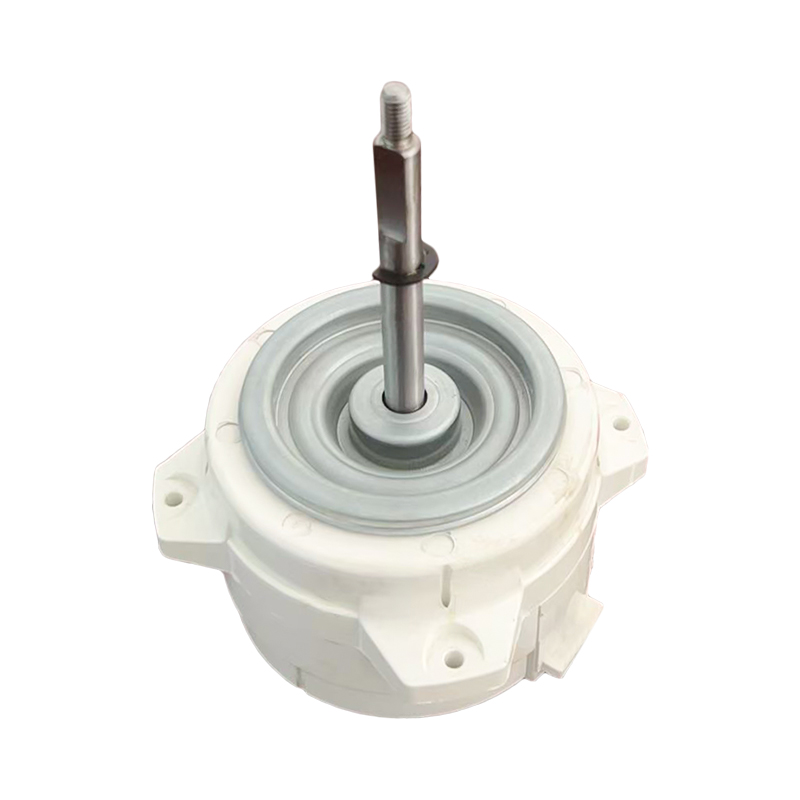
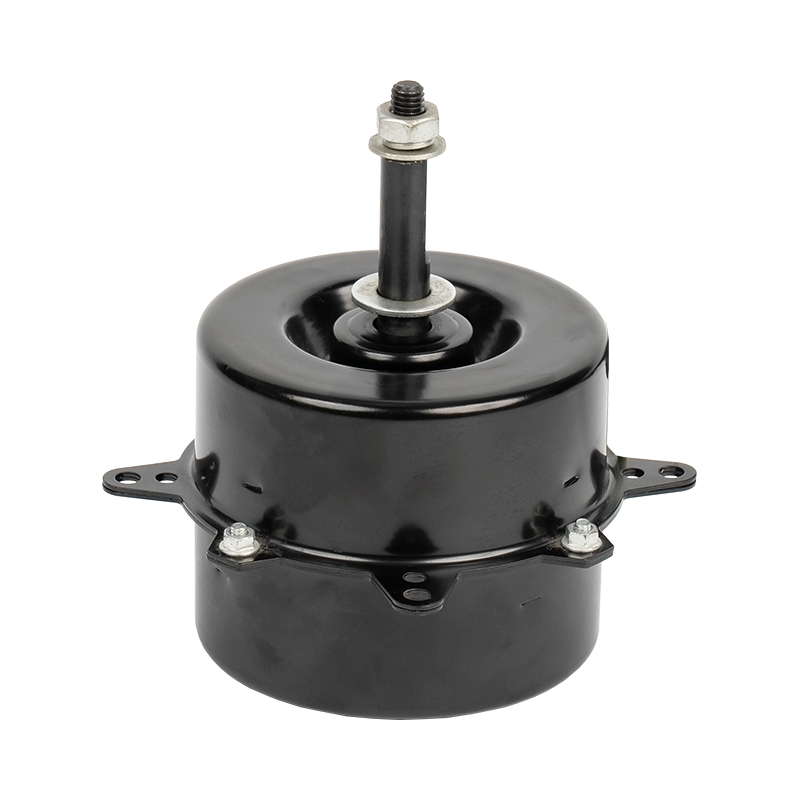
| Common examples | Blower Motor, Air Conditioner Motor, Range Hood Motor | Car engine, generator engine, lawn mower engine |
Where You Will Find Motors in Daily Life
Motors are everywhere in modern homes, offices, and factories, mainly because they are compact, quiet, and require very little upkeep. Some of the most common applications include:
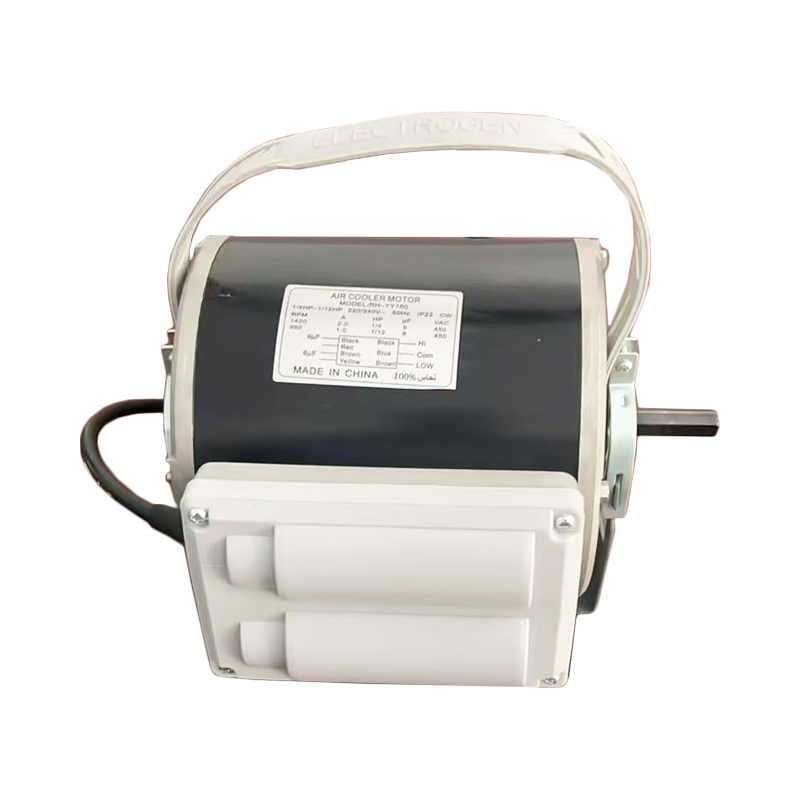
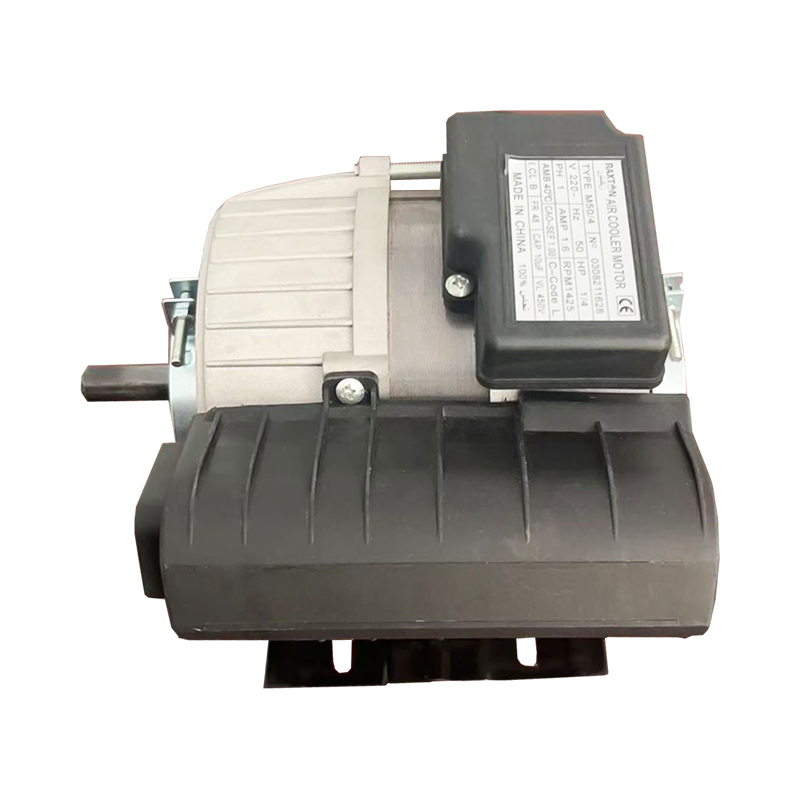
- An Air Cooler Motor drives the fan blades that move air through wet cooling pads, lowering room temperature without compressors.
- A Washing Machine Motor spins the drum during both the wash and spin cycles, often switching speeds to handle different fabric types.
- An Industrial Air Purifier Motor powers high-speed fans that pull contaminated air through filtration layers.
- A Tower Fan Motor is built for slim housings, providing oscillation and steady airflow with minimal vibration.
- An Air Cooler Water Pump circulates water from the reservoir to the cooling pads, working alongside the main fan motor.
- A Wall Breaking Machine Motor delivers high torque at high RPM to crush ice, grind grains, and blend tough ingredients.
- A Range Hood Motor exhausts smoke and grease-laden air from kitchens, often running continuously for hours.
Where You Will Find Engines
Engines dominate applications where electricity isn't readily available, or where high power density over long durations is required. Typical examples include automobiles, motorcycles, boats, portable generators, chainsaws, and aircraft. Because engines carry their own fuel supply, they offer mobility and extended runtime that battery-powered motors usually cannot match without frequent recharging.
However, engines come with trade-offs: regular oil changes, spark plug replacement, fuel system maintenance, and exhaust system upkeep. A typical small gasoline engine might need an oil change every 25 to 50 hours of use, while a well-built electric motor in a similar appliance can run for thousands of hours with only occasional bearing lubrication.
Efficiency and Running Cost Differences
One of the most practical differences for buyers is operating cost. Electric motors typically convert 70 to 95 percent of input energy into useful mechanical work, with the remainder lost mainly as heat in the windings. Combustion engines, by contrast, lose most of their energy as heat through the exhaust and cooling system, leaving only 20 to 40 percent for actual mechanical output.
This means an Air Conditioner Motor running for eight hours a day will generally cost far less in energy than an equivalent fuel-powered system producing the same airflow, assuming electricity rates are reasonable. Over a one-year period, the difference in running cost can be substantial enough to offset a higher initial purchase price.
Noise, Vibration, and Maintenance Comparison
Motors generally operate at lower noise levels because there is no combustion or exhaust pulse. A well-balanced Blower Motor or Tower Fan Motor can run at 35 to 55 decibels, comparable to a quiet conversation. Engines, due to internal explosions occurring dozens of times per second, typically produce noise levels from 70 decibels upward, often requiring mufflers and sound dampening.
Maintenance needs also differ sharply:
- Motors mainly need bearing checks, dust cleaning, and occasional brush replacement (for brushed motors).
- Engines require fuel filter changes, oil changes, spark plug servicing, and cooling system checks.
- Motors have far fewer moving parts, often just a rotor, stator, and bearings.
- Engines involve pistons, valves, camshafts, fuel injectors, and ignition systems — many more parts that can wear out.
Choosing the Right Motor Type for Your Product
For manufacturers and product developers sourcing components, matching the motor type to the application is critical. A few practical guidelines:
- For appliances needing variable speed and quiet operation, such as a Washing Machine Motor or Air Conditioner Motor, brushless DC or induction motors are common choices.
- For high-torque blending tasks, a Wall Breaking Machine Motor with universal motor design can deliver speeds above 20,000 RPM for short bursts.
- For continuous-duty exhaust applications like a Range Hood Motor, shaded-pole or capacitor-run motors are favored for their long service life.
- For cooling appliances, pairing an Air Cooler Motor with an Air Cooler Water Pump ensures balanced airflow and water circulation.
Working with an experienced Motor factory allows product designers to customize voltage, RPM, torque curves, and mounting dimensions to fit specific housing designs, rather than adapting a product around a generic off-the-shelf motor.
Final Takeaway
In summary, the word "motor" almost always refers to an electric device, while "engine" refers to a combustion-based device. For household appliances, ventilation systems, and industrial equipment — including an Industrial Air Purifier Motor or a Blower Motor — electric motors are the standard choice due to their efficiency, quiet operation, and minimal maintenance. Engines remain essential where portable, high-energy-density fuel sources are required, such as in vehicles and outdoor power equipment.


 Home
Home  Tel.: +86-13819807486
 Whatsapp:+86 13819807486
 E-mail:


