


 简体中文
简体中文
 English
  عربى
عربى Content
- 1 Core Definition and Technical Standards of High-Performance Air Cooler Motors
- 2 Power Rating Matching Logic for Different Application Scenarios
- 3 Complete YYK Series Selection Reference and Technical Parameter Comparison
- 4 Key Technical Features and Material Processes Ensuring Long-Term Reliability
- 5 Installation Standards, Routine Maintenance, and Fault Prevention Guidelines
Selecting the right air cooler motor hinges on precisely matching power rating, rotational speed, and application scenario. Residential environments benefit from low-noise 25W–50W models, while commercial and industrial settings require high-torque 120W–250W motors for sustained, stable airflow. The YYK series addresses every need from YYK-25 through YYK-250 through differentiated structural designs, delivering precise ventilation and cooling solutions across all spaces.
Core Definition and Technical Standards of High-Performance Air Cooler Motors
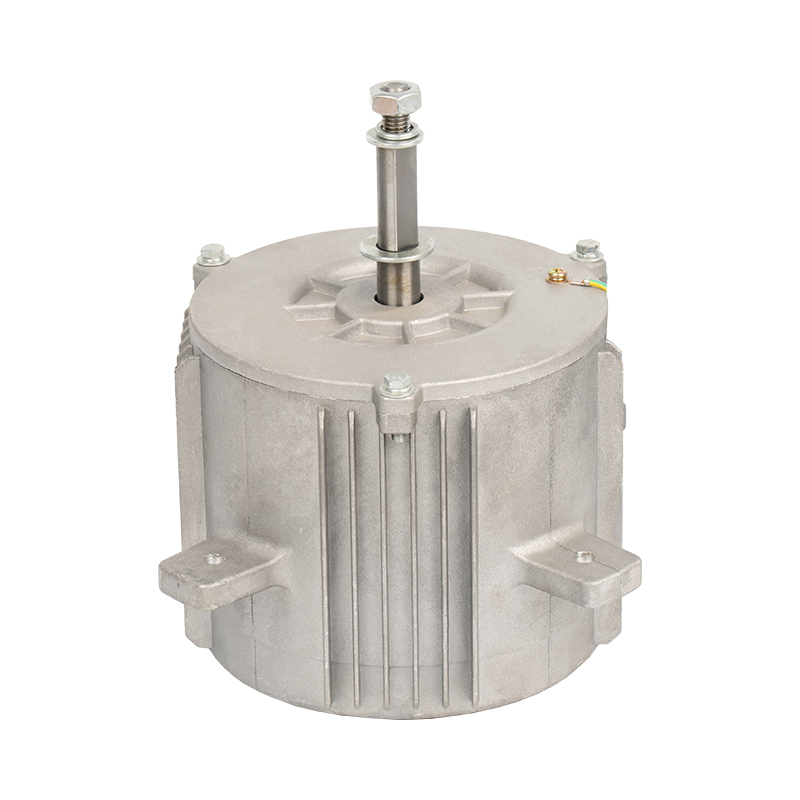
The air cooler motor serves as the core power component within evaporative cooling and air circulation systems. Its performance directly determines the system's airflow output efficiency, operating energy consumption, and overall equipment lifespan. A truly reliable industrial-grade motor must maintain long-term stable operation under harsh conditions of high temperature, elevated humidity, and heavy dust, while incorporating intelligent speed regulation to adjust rotational speed and airflow precisely according to ambient temperature and actual load demands, balancing energy efficiency with user comfort.
Based on prevailing industry technical standards and energy efficiency regulations, the critical performance indicators for evaluating air cooler motors encompass five core dimensions:
- Rated Power: Residential units typically range from 25W to 100W, commercial models cover 120W to 200W, and industrial-grade motors reach 200W to 250W or higher. The power rating directly determines the upper torque limit for driving the fan wheel and the maximum achievable airflow volume.
- Rated Speed: Mainstream products operate within 1020 RPM to 1300 RPM. Lower-speed models excel at noise control, while higher-speed variants deliver stronger air pressure and extended throw distance.
- Voltage and Frequency Adaptability: Standard configuration is 220V/50Hz single-phase AC. Certain commercial and industrial models support 220V–240V wide-voltage input to accommodate regional grid fluctuations.
- Insulation and Protection Rating: Quality motors employ Class B or Class F insulation materials paired with IP44 or higher dust-proof and moisture-resistant sealing to ensure electrical safety and mechanical durability in challenging environments.
- Bearing and Shaft Extension Design: High-precision ball bearings or oil-impregnated bearings are utilized, with standard shaft diameters ranging from 8mm to 12mm to accommodate various fan wheel and coupling sizes.
In practical engineering applications, the motor starting method also influences system stability. Permanent Split Capacitor (PSC) induction motors have become the mainstream choice for air cooler applications due to their moderate starting torque, high operating efficiency, and simple, reliable construction. These motors use an auxiliary winding and capacitor to generate a rotating magnetic field during startup, then maintain operation via the main winding, achieving an optimal balance between starting performance and long-term running economy.
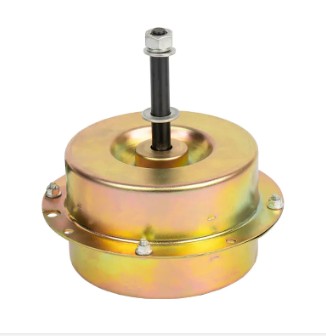
Power Rating Matching Logic for Different Application Scenarios
Selecting an air cooler motor power rating is not simply a matter of choosing the highest available output. Instead, it requires precise alignment with the cooler unit specifications, fan wheel diameter, target space volume, and intended usage scenario. Undersized motors operate under chronic overload, causing excessive winding temperature rise and accelerated insulation aging that shortens service life. Conversely, oversized motors result in unnecessary energy waste, while the higher rotational speeds introduce noise and vibration issues that degrade user experience.
Residential and Light Commercial Scenarios: 25W–50W Range
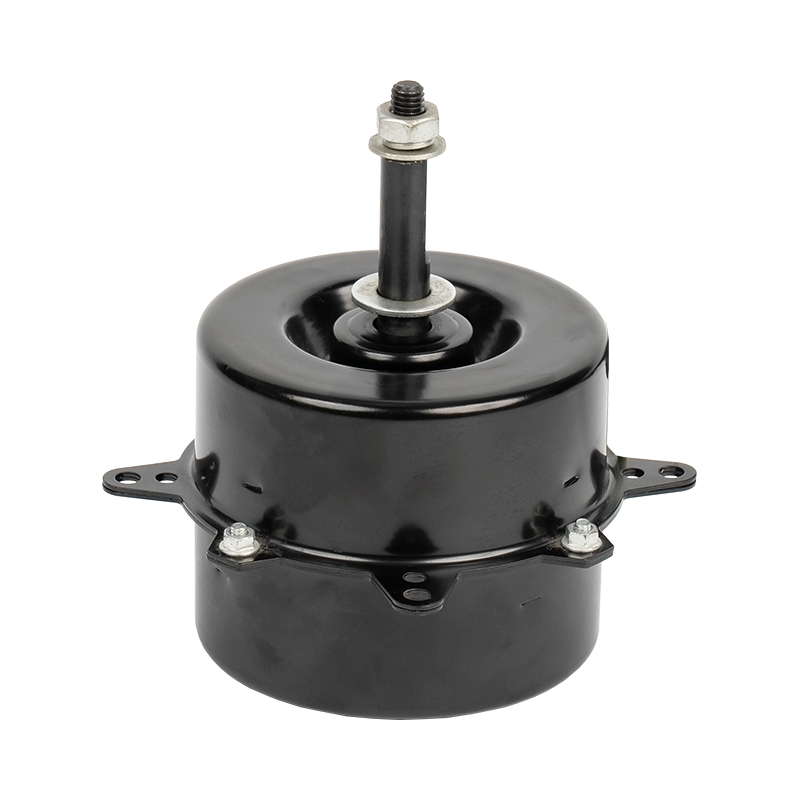
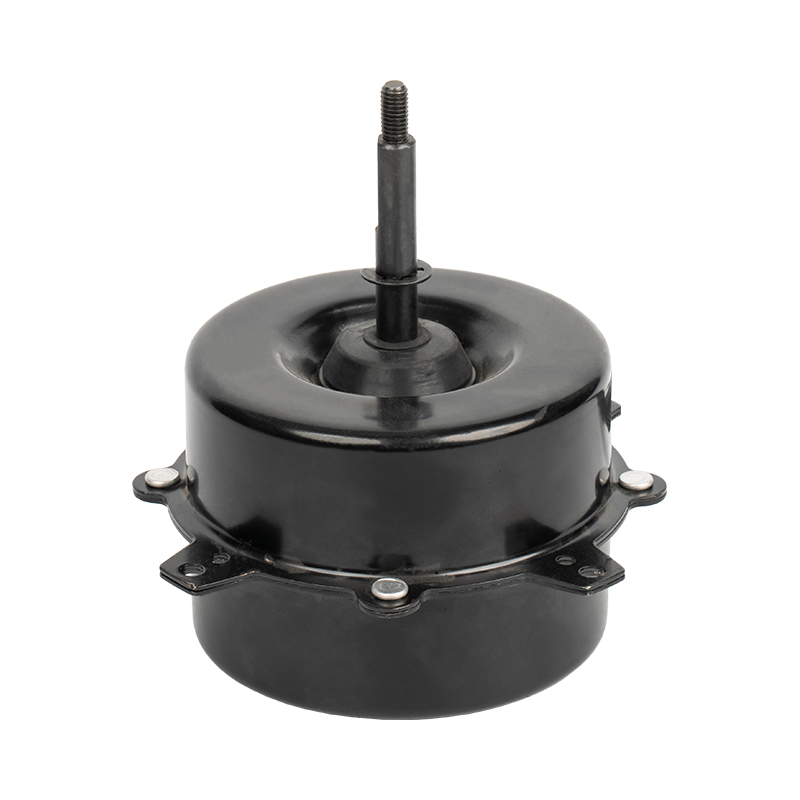
This power bracket corresponds to the YYK-25 and YYK-50 series, targeting household mini air coolers, portable air conditioning fans, and small shop desktop or wall-mounted ventilation equipment. The YYK-50 residential small air cooler motor, for example, typically features a rated power of 50W to 100W with speeds reaching 1250 RPM to 1300 RPM. It delivers baseline airflow of 300 to 500 cubic meters per hour while keeping operating noise below 40 decibels, making it ideal for bedrooms, studies, small convenience stores, and coffee shops where quiet operation is paramount.
The YYK-25 serves as the series entry point with a more compact power design and lightweight overall construction. It employs standardized mounting flanges for quick installation and maintenance. Its energy-saving characteristics are particularly notable, reducing energy consumption by approximately 20% to 25% compared to traditional general-purpose motors while delivering equivalent airflow—an advantage that benefits residential users with long daily operating hours. Additionally, this series includes basic overheat protection that automatically cuts power when winding temperatures exceed safe thresholds, preventing accidental burnout.
Mid-Scale Commercial and Agricultural Scenarios: 120W–200W Range
When applications expand to factory workshops, warehousing and logistics centers, greenhouse facilities, and livestock farms, ventilation and cooling demands involve large space volumes, extended continuous operation, and environments with high dust and humidity. These conditions require motors in the 120W to 200W range to provide sustained, powerful performance. The YYK-120 and YYK-180/200 series are purpose-built for this market segment.
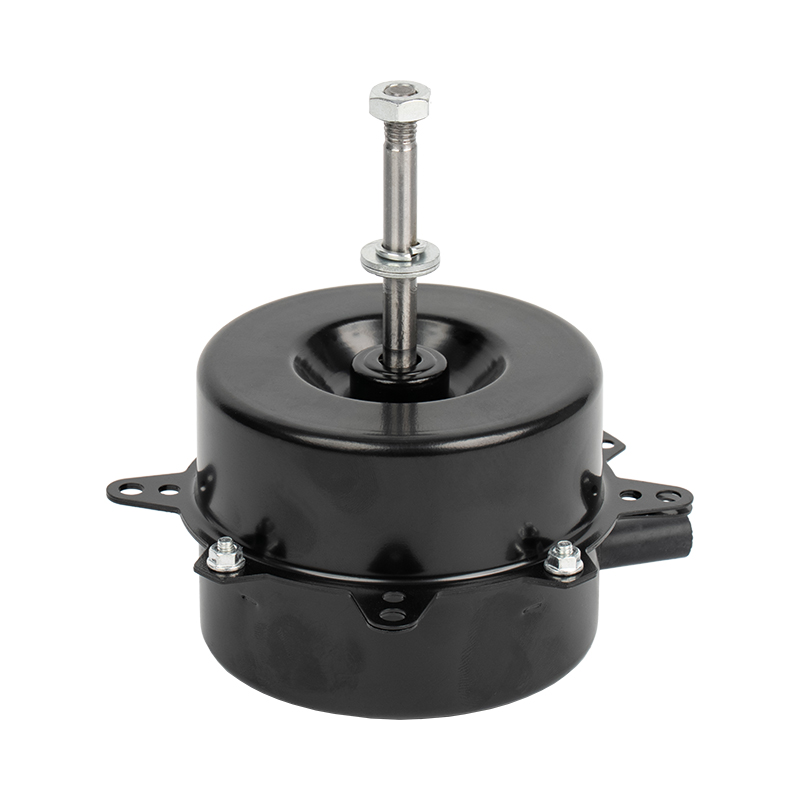
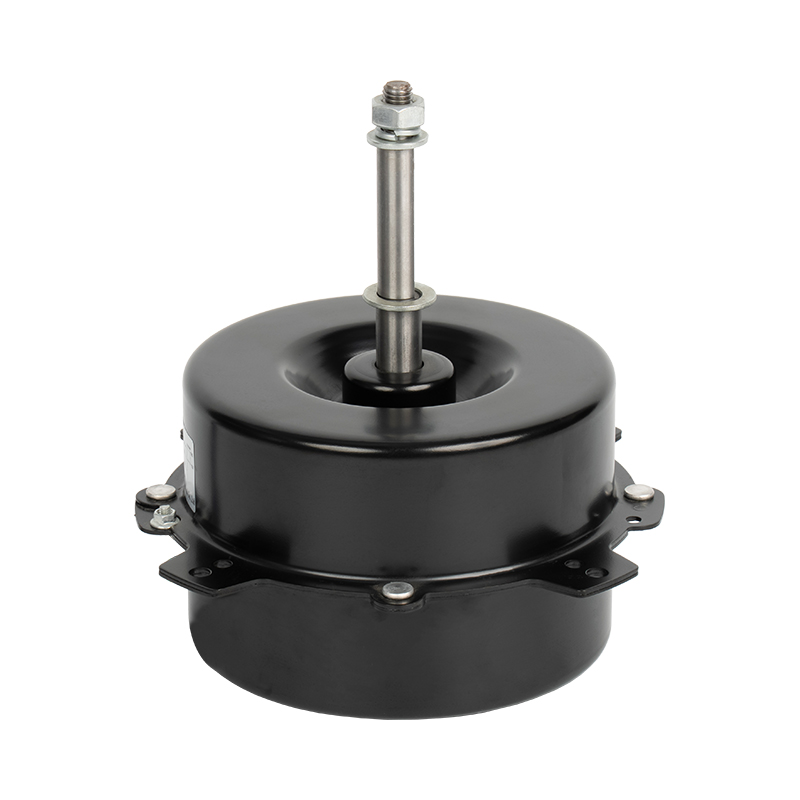
The YYK-120 high-efficiency energy-saving air cooler motor represents this range. Through optimized stator winding layouts, high-permeability silicon steel laminations, and precision-balanced rotor construction, this model achieves energy consumption 30% lower than conventional asynchronous motors while maintaining its 120W rated output. Actual operating data demonstrates that if a unit runs continuously for 10 hours daily over a 90-day summer season, a single YYK-120 energy-saving motor can save over 80 kWh compared to a traditional 120W motor. The savings become particularly significant when deployed at scale.
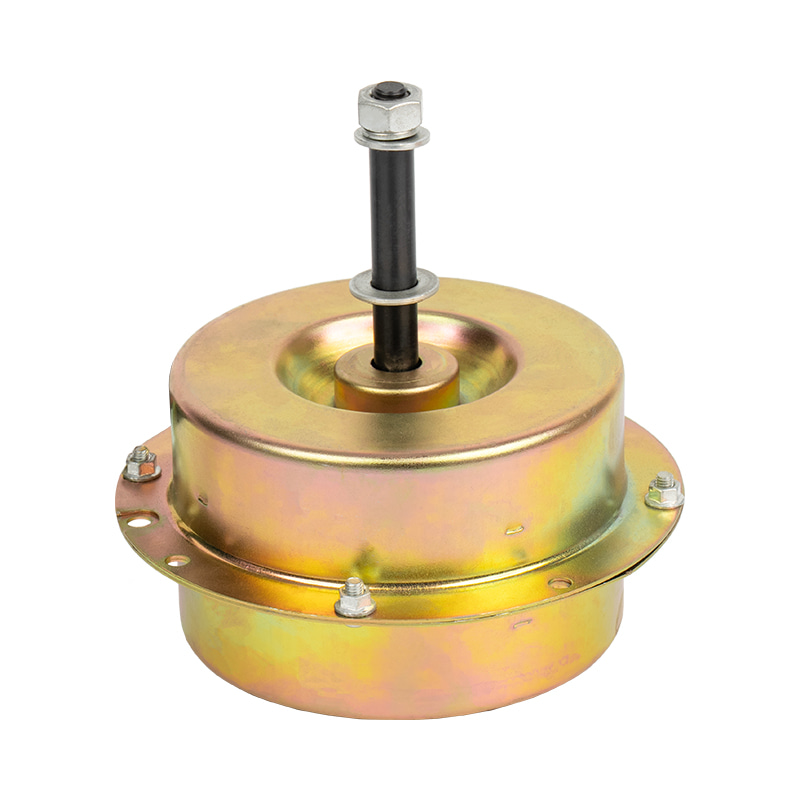
Structurally, the YYK-120 series offers both standard and lightweight configurations. The standard model uses thick galvanized steel housing with strong impact resistance for fixed installations. The lightweight variant employs high-strength aluminum alloy and composite materials, reducing total weight by approximately one-third compared to traditional same-power motors—an advantage that shines in scenarios requiring seasonal relocation or ceiling mounting. Both configurations feature full copper wire windings and dust-proof, moisture-resistant sealing to ensure stable operation in dust-heavy factory environments or high-humidity greenhouse conditions.
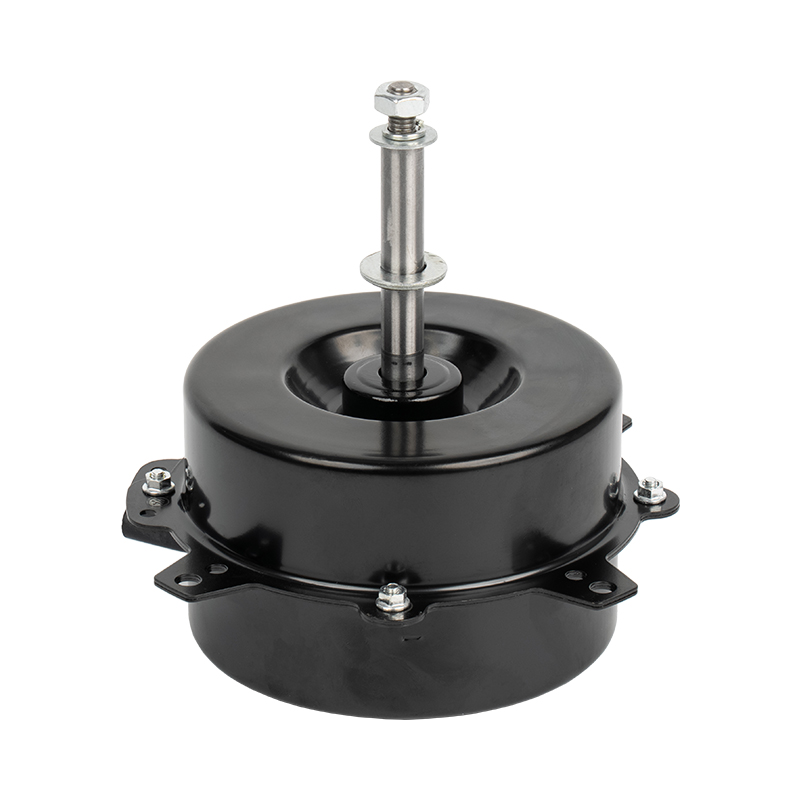
The YYK-180 and YYK-200 series further increase torque reserves with rated power of 180W and 200W respectively, capable of driving large fan wheels of 400mm to 500mm diameter to achieve airflow exceeding 1500 cubic meters per hour with throw distances of 15 to 20 meters and coverage areas over 200 square meters. These models are ideal choices for large warehouses, assembly workshops, and breeding facility ventilation and cooling.
Industrial Heavy-Duty Scenarios: 200W–250W Range
For large industrial plants, open production workshops, logistics sorting centers, and major commercial complexes, ventilation and cooling systems must overcome greater space resistance and ductwork losses. This demands motors with higher starting torque, wider speed adjustment ranges, and stronger continuous operation capabilities. The YYK-250 series variable frequency air cooler motors are specifically engineered to meet these stringent requirements, with rated power covering 200W to 250W and certain custom models available for even higher output.
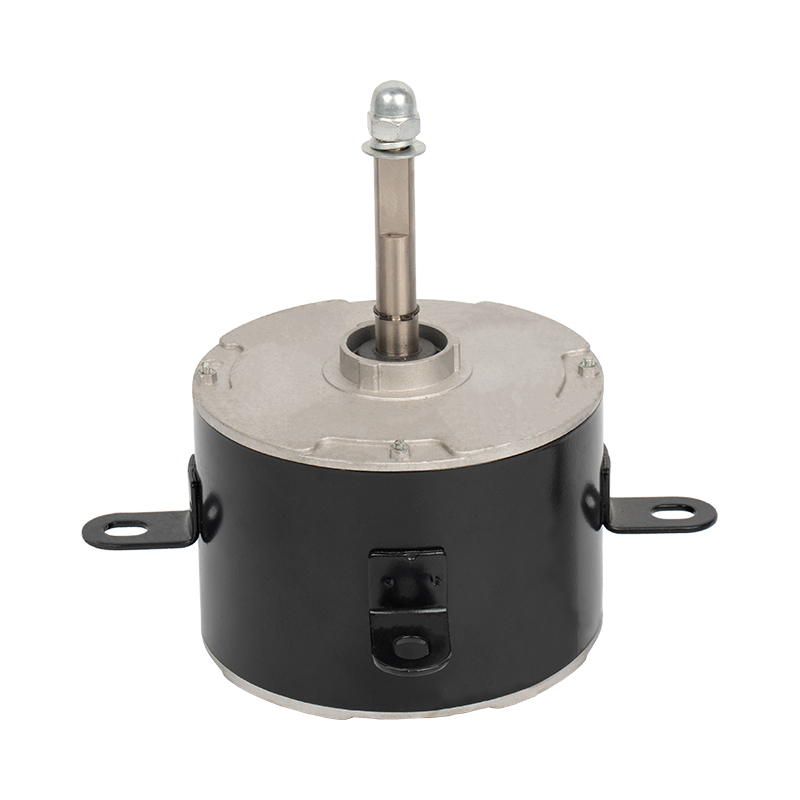
The core technical advantage of the YYK-250 variable frequency model lies in its variable speed drive control, which achieves smooth speed regulation from 500 RPM to 1300 RPM by altering the supply frequency. This capability delivers multiple benefits: automatic speed reduction during low-load periods for further energy savings; full-speed operation during peak periods to ensure maximum airflow; and soft-start functionality that effectively reduces starting current surge, extending motor and grid equipment life. These motors typically feature die-cast aluminum housings with anodized surfaces, combined with built-in cooling fins and independent cooling fans to maintain winding temperature rise within safe limits even when ambient temperatures exceed 45 degrees Celsius.
Complete YYK Series Selection Reference and Technical Parameter Comparison
Faced with the complete product line from YYK-25 to YYK-250, scientific selection requires establishing a systematic evaluation framework. Users are advised to follow a four-dimensional assessment model of "space area—airflow requirement—continuous operating duration—environmental conditions," using the table below for preliminary screening before finalizing the specific model based on installation constraints.
| Model Series | Rated Power | Typical Speed | Application Scenarios | Core Features |
|---|---|---|---|---|
| YYK-25 | 25W | 1100 RPM | Household mini air coolers, desktop fans | Ultra-quiet design, extreme energy saving, lightweight structure |
| YYK-50 | 50W–100W | 1250–1300 RPM | Home living rooms, small shops, offices | Low-noise operation, stable durability, easy installation |
| YYK-120 | 120W | 1200 RPM | Factory workshops, warehouses, greenhouses | High efficiency, dust and moisture proof, full copper windings |
| YYK-180 | 180W | 1200 RPM | Mid-to-large commercial spaces, breeding facilities | Large airflow output, high torque reserve, long-life bearings |
| YYK-200 | 200W | 1200–1250 RPM | Industrial plants, large warehousing centers | Evaporative cooling dedicated, high-load continuous operation |
| YYK-250 | 200W–250W | 500–1300 RPM | Large industrial plants, open workshops | Variable frequency speed control, high torque, intelligent temperature regulation |
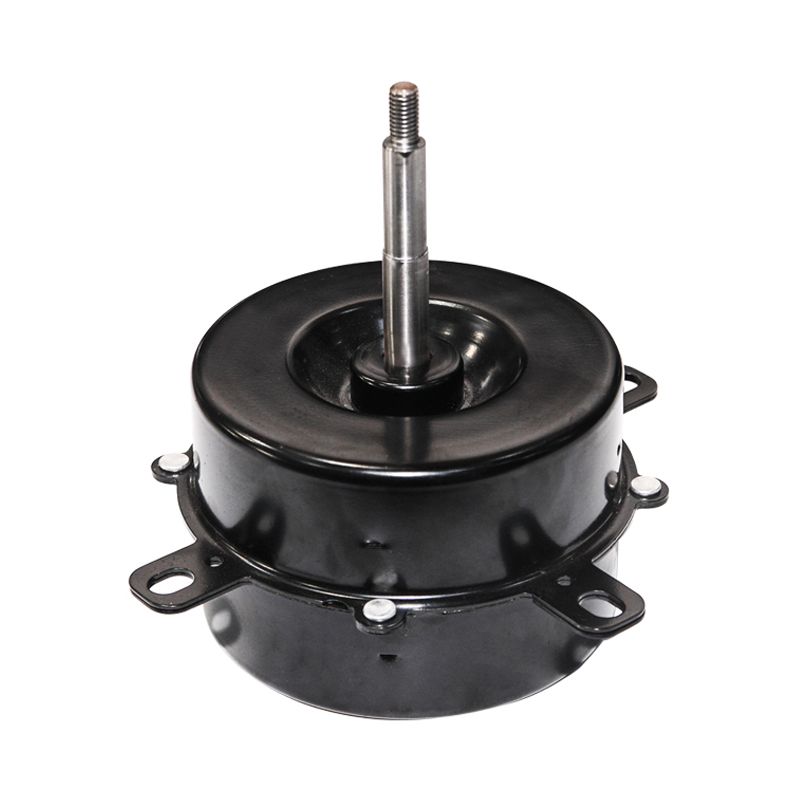
During selection, mounting method and shaft extension configuration are critical details often overlooked. YYK series motors generally employ standardized flange mounting structures with mounting hole spacing conforming to industry universal standards for direct compatibility with mainstream air cooler housings. Regarding shaft extension diameters, 25W to 50W models typically feature 8mm smooth or threaded shafts, while 120W and above models upgrade to 10mm or 12mm reinforced shafts to handle the radial loads of larger fan wheels. When replacing legacy motors, users must verify shaft diameter, shaft length, and mounting hole spacing to ensure mechanical compatibility.
Additionally, for equipment requiring cross-seasonal use, the YYK-120 lightweight model or YYK-250 series are recommended. Their detachable maintenance structures facilitate off-season storage and servicing, while aviation-grade sealing effectively prevents internal corrosion during extended periods of non-use.
Key Technical Features and Material Processes Ensuring Long-Term Reliability
Industrial and commercial scenarios impose far greater demands on air cooler motor durability and reliability than residential applications. Equipment often requires continuous operation for months or even year-round, facing simultaneous challenges from dust, oil contamination, high humidity, and elevated temperatures. The YYK series systematically addresses these engineering challenges through material upgrades, structural optimization, and multiple protection mechanisms.
Housing Materials and Thermal Management Systems
Housing material selection directly impacts heat dissipation efficiency and protection ratings. The YYK-25 and YYK-50 series use quality galvanized steel stampings with powder-coated surfaces, offering good corrosion resistance and cost-effectiveness. YYK-120 and higher power models upgrade to high-strength die-cast aluminum housings or thick galvanized steel structures, with the YYK-120 lightweight variant employing aviation-grade aluminum alloy and composite combinations to achieve over 30% weight reduction while maintaining mechanical strength.
For thermal design, YYK-180 and above models generally feature external cooling fins or independent cooling fans. These increase heat dissipation surface area and force convection to maintain internal temperature rise below 60K (Class F insulation permits 105K rise), providing substantial safety margins for winding insulation. The YYK-250 variable frequency model goes further with anodized aluminum housing surfaces that improve heat dissipation coefficients by approximately 15% over standard painted surfaces, combined with temperature feedback control from the variable frequency drive to achieve dynamic thermal management.
Windings and Electrical Safety Protection
Windings constitute the motor's core component, with material quality and processing determining both efficiency and lifespan. The entire YYK series insists on high-purity full copper magnet wire with electrical resistivity approximately 40% lower than aluminum, significantly reducing heat generation under equivalent current while improving electrical-to-mechanical conversion efficiency. Winding impregnation employs Vacuum Pressure Impregnation (VPI) technology to ensure complete varnish penetration into winding interstices, forming a dense insulation layer that effectively resists insulation aging in humid environments.
At the electrical protection level, the YYK series includes multiple standard safety mechanisms: built-in thermal protectors (typically set to activate at 120 to 130 degrees Celsius) that automatically interrupt circuits during winding overheating; certain variable frequency models add electronic overcurrent and phase-loss protection to prevent equipment damage from grid anomalies; and wide-voltage design (220V–240V) that buffers the impact of voltage fluctuations on motor performance—particularly important in remote industrial areas with suboptimal grid quality.
Bearing Systems and Mechanical Durability
Bearings are the decisive factor in motor mechanical life. The YYK series matches bearing types to power ratings and application scenarios: 25W to 50W residential models use high-quality oil-impregnated bearings with excellent quiet operation and maintenance-free periods exceeding 5000 hours; 120W and above commercial and industrial models upgrade to high-precision ball bearings with stronger load capacity and impact resistance, designed for over 20000 hours of life under rated conditions. All bearings come pre-lubricated with double-sided dust covers to effectively prevent dust and moisture ingress into the raceways.
Energy Efficiency and Operating Economy
Energy efficiency represents the core variable in users' long-term operating costs. The YYK-120 high-efficiency energy-saving model achieves motor efficiency above 75% through optimized electromagnetic design—a significant improvement over the industry average of 65% to 70%. Specific data illustrates the point: assuming a factory installs ten 120W air coolers operating 12 hours daily at an electricity rate of 0.8 yuan per kWh, adopting YYK-120 energy-saving motors saves approximately 36 watts per unit per hour. For ten units operating 300 days annually, the yearly electricity savings amount to:
0.036 kW × 12 h × 10 units × 300 days × 0.8 yuan = 10,368 yuan
This economic advantage becomes particularly pronounced in large-scale deployments, typically allowing the upgrade investment to be recovered through electricity savings within one to two years.
Installation Standards, Routine Maintenance, and Fault Prevention Guidelines
Proper installation procedures and regular preventive maintenance are necessary conditions for ensuring air cooler motors achieve their design lifespan and maintain efficient operation. The YYK series employs standardized flange interfaces and universal shaft extensions to reduce installation complexity, yet several critical details still require strict adherence.
Pre-Installation Preparation and Key Considerations
Before installation, always verify consistency between motor nameplate parameters and on-site power supply conditions, focusing on rated voltage, frequency, and phase count. For regions where grid voltage fluctuation exceeds plus or minus 10%, strongly consider adding a voltage stabilizer or selecting wide-voltage-capable variable frequency models such as the YYK-250. Motor mounting bases should remain level with sufficient rigidity to avoid resonance amplification during operation. Flange mounting bolts must be tightened gradually in diagonal sequence to ensure uniform mating surface contact and prevent bearing misalignment from uneven stress.
Concentricity between the fan wheel and motor shaft centerline is a critical installation quality indicator. Ideally, radial deviation between the fan wheel centerline and motor shaft centerline should be controlled within 0.5mm, with axial end float not exceeding 1mm. Poor concentricity creates eccentric loading, causing abnormal vibration, premature bearing wear, and sharply increased noise. After installation, manually rotate the fan wheel several revolutions to confirm smooth rotation without binding or unusual noise before applying power.
Periodic Maintenance Schedule
Establishing periodic maintenance plans significantly reduces failure rates and unexpected downtime. The following recommended maintenance intervals and items apply to the YYK series:
- Weekly Inspection: Observe motor operating condition, listen for abnormal noise, and check for abnormal housing temperature rise (normal operation should not exceed ambient temperature plus 40 degrees Celsius).
- Monthly Maintenance: Clean dust and fiber accumulation from motor surfaces and cooling fins to ensure clear heat dissipation channels; inspect power cables and terminal block tightness to prevent loosening and overheating.
- Quarterly Service: Replenish specialized lubricating grease for oil-impregnated bearing models; inspect fan wheel balance and clean blade deposits; measure operating current and compare against rated values to assess load condition.
- Annual Overhaul: Disassemble and inspect bearing wear, replacing as necessary; measure winding insulation resistance ensuring values exceed 2 megohms; for variable frequency models, clean controller heat dissipation channels and inspect capacitor aging condition.
Seasonal Decommissioning and Recommissioning Preparation
For air cooler equipment not operated year-round, pre-decommissioning maintenance directly impacts the following season's reliability. Before decommissioning, thoroughly drain all water from the evaporative cooling system to prevent winter freeze damage to piping and pumps. Wipe motor housings clean and cover with dust shields, storing in dry, ventilated areas. Before recommissioning, measure motor insulation resistance to confirm no moisture-induced short-circuit risk before energizing; after extended decommissioning, initial startup should run unloaded for 10 minutes to observe bearing lubrication recovery and check for abnormal vibration.
For YYK-250 and other variable frequency models, the controller contains electrolytic capacitors that may degrade during extended non-use. Even during off-seasons, monthly energization for at least 30 minutes is recommended to maintain capacitor activity and controller circuit stability.
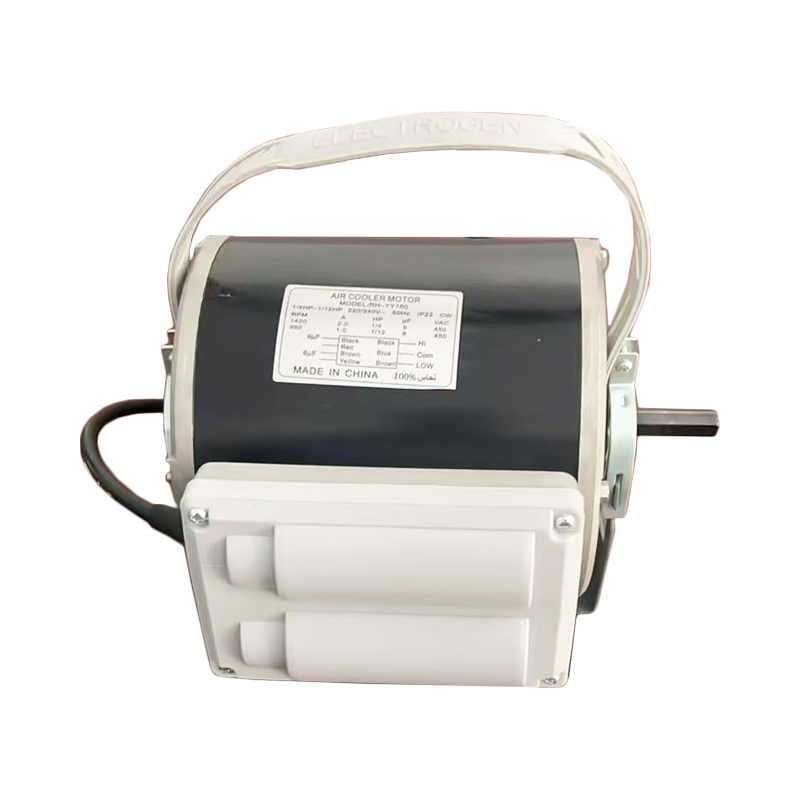
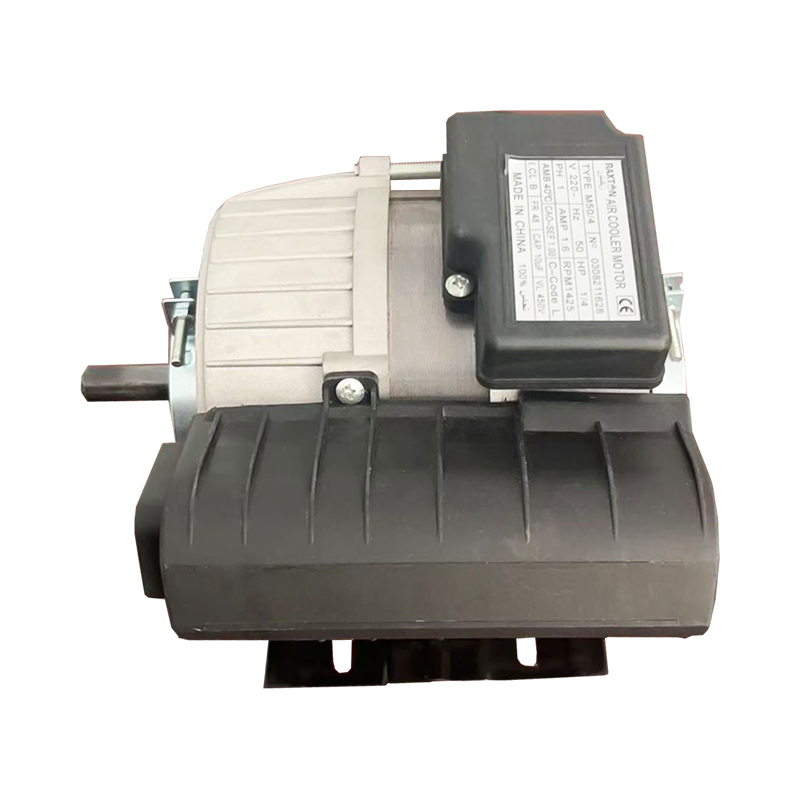
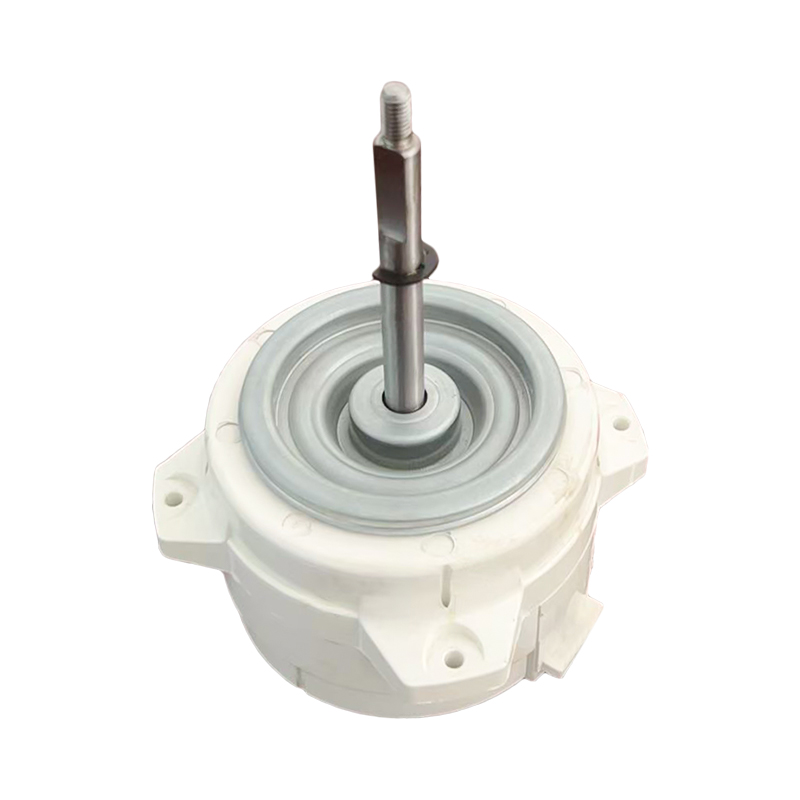


 Home
Home  Tel.: +86-13819807486
 Whatsapp:+86 13819807486
 E-mail:


