


 简体中文
简体中文
 English
  عربى
عربى Content
- 1 Core Types of Tower Fan Motors and Their Technical Differences
- 2 How Power and Speed Determine Airflow Performance
- 3 Noise Source Analysis and Reduction Practices
- 4 Common Fault Identification and Troubleshooting Essentials
- 5 Daily Maintenance Strategies to Extend Motor Lifespan
- 6 Key Evaluation Dimensions for Motor Performance When Purchasing a Tower Fan
The technology landscape for tower fan motors is undergoing a fundamental transformation. Brushless DC motors (BLDC), with their 30%-50% improvement in energy efficiency and operating noise levels below 30 decibels, have gradually replaced traditional AC asynchronous motors as the standard configuration for mid-to-high-end products. This trend is not only reshaping the competitive landscape of end products but also driving the entire supply chain to upgrade from low-cost manufacturing toward high-efficiency, long-life solutions. For manufacturers, mastering BLDC control technology and thermal management design capabilities has become the core threshold for entering the mainstream market.
Core Types of Tower Fan Motors and Their Technical Differences
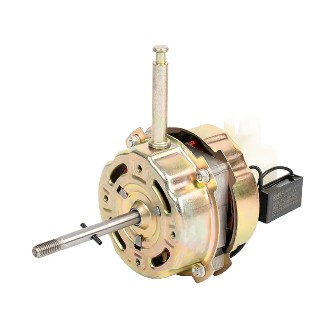
The performance of a tower fan motor is directly determined by its drive method and internal structure. The current market features two primary technical approaches, with significant differences in energy efficiency, noise, and lifespan.
AC Asynchronous Motors: Cost Advantages Alongside Performance Limitations
AC asynchronous motors are driven directly by mains power, featuring a simple structure and low cost, making them the mainstream solution for early tower fans. Their speed regulation typically involves 3-5 mechanical gear shifts, with rotational speeds usually jumping between low gear at 800-1200 rpm and high gear at 1500-2000 rpm. However, this motor type has notable weaknesses: electromagnetic noise is particularly pronounced at high speeds, and smooth speed adjustment is impossible, resulting in a "wind speed jump" user experience. Additionally, their energy efficiency is relatively low, and long-term electricity costs cannot be ignored.
Brushless DC Motors: The Benchmark for Efficiency and Quiet Operation
Brushless DC motors convert AC power to DC power through an adapter and, combined with electronic controllers, enable stepless speed regulation within a range of 500-2500 rpm. Their operational lifespan typically reaches 8000-10000 hours, far exceeding the average level of AC motors. In terms of noise control, some premium models produce noise levels below 30 decibels at low speeds, nearly matching ambient background sound. Although their procurement cost is 10%-20% higher than AC motors, the comprehensive energy efficiency advantages and extended service life deliver significantly superior long-term value.
How Power and Speed Determine Airflow Performance
Tower fan motors typically range from 20W to 60W in power, a parameter that directly correlates with airflow strength, coverage range, and energy consumption. Properly matching power to the usage scenario is a core consideration in product design.
| Power Range | Suitable Space | Airflow Distance | Noise Level | Energy Consumption |
|---|---|---|---|---|
| 20W - 30W | Bedroom, Study | 3-5 meters | Low | Low |
| 40W - 60W | Living Room, Office | 8-10 meters | Medium-High | Medium |
As shown in the table, low-power motors are ideal for private spaces with high quietness requirements, while high-power motors can meet long-distance airflow needs in open areas. Notably, mid-to-high-power motors using BLDC technology can achieve noise levels comparable to low-power motors through intelligent speed regulation in low-power mode, offering multi-scenario adaptability.
Noise Source Analysis and Reduction Practices
Tower fan motor noise directly impacts user experience, particularly in nighttime usage scenarios. Noise primarily originates from three sources, each with mature engineering solutions.
Mechanical Friction and Resonance Noise
Bearing wear or lack of lubrication causes a "squeaking" friction sound during operation, the most common source of mechanical noise. Regular application of specialized motor grease can effectively alleviate this; if bearings are severely worn, complete replacement is necessary. Additionally, loose mounting between the motor and tower fan housing can generate resonance noise, which can be resolved by checking and tightening the fixing screws.
Electromagnetic Noise and Motor Structural Differences
Due to their structural characteristics, AC motors produce noticeable electromagnetic noise at high speeds, manifesting as a continuous "buzzing" sound. In contrast, brushless DC motors fundamentally eliminate brush friction noise through electronic commutation instead of mechanical brushes, with reduced electromagnetic interference as well. At low speeds, high-quality BLDC motors produce virtually no perceptible sound, a key advantage that positions them as the dominant choice for bedrooms and other quiet-demand environments.
Common Fault Identification and Troubleshooting Essentials
Accurately identifying tower fan motor fault types can significantly reduce repair cycles and replacement costs. Below are the identification methods for three typical fault categories:
- Motor fails to start: After power-on, the fan blades show no response. Possible causes include burned windings (multimeter detects resistance at 0 or infinity), damaged capacitor (common in AC motors, indicated by capacitor bulging or insufficient capacity), or control board failure (no voltage output to the motor).
- Abnormal noise during operation: Beyond normal wind sound, a "buzzing" electromagnetic noise suggests possible winding short circuit; a "squeaking" friction sound indicates bearing wear; and a "stuck" feeling may signal a seized rotor.
- Speed regulation failure: No change in wind speed after gear adjustment. For AC motors, this may be due to a damaged speed switch; for DC motors, controller failure typically causes wind speed fluctuation or inability to adjust.
Daily Maintenance Strategies to Extend Motor Lifespan
The service life of a tower fan motor depends not only on manufacturing quality but also closely on daily usage and maintenance habits. Following these maintenance essentials can effectively extend the motor's operational lifespan:
- Avoid blocking air inlets: Covering air inlets with clothing, curtains, or other items can obstruct the impeller and cause motor overload. Prolonged blockage may directly burn out the windings.
- Regular cleaning and dust removal: Every 2-3 months, remove the front grille and clean dust from the impeller and motor surface using a soft brush or vacuum cleaner. Dust accumulation affects heat dissipation efficiency, and motor overheating is one of the primary causes of shortened lifespan.
- Control continuous operation duration: Single continuous operation should not exceed 8 hours. In hot weather, intermittent shutdowns should be implemented to allow the motor to cool down sufficiently.
- Proper seasonal storage: After seasonal cleaning, store in a dry, ventilated area to avoid winding short circuits caused by humid environments. Before storage, run the unit for 10 minutes to ensure internal dryness.
Key Evaluation Dimensions for Motor Performance When Purchasing a Tower Fan
For buyers and end consumers, evaluating tower fan motor performance should focus on the following four dimensions to ensure the product meets actual usage requirements:
Motor Type and Speed Regulation Capability
Prioritize models equipped with brushless DC motors. Although the initial cost is slightly higher, the combined energy-saving effects and service life deliver greater economic benefits over the long term. Additionally, confirm that the product supports stepless speed regulation to precisely match different scenarios—such as gentle breeze mode for nighttime sleep and strong wind mode for daytime cooling.
Protection Rating and Thermal Design
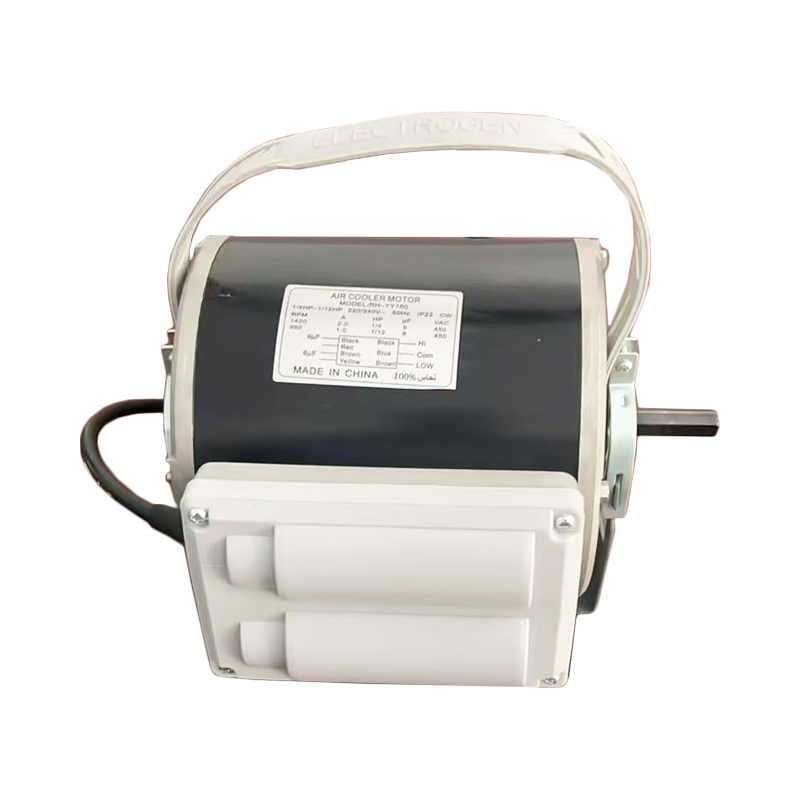
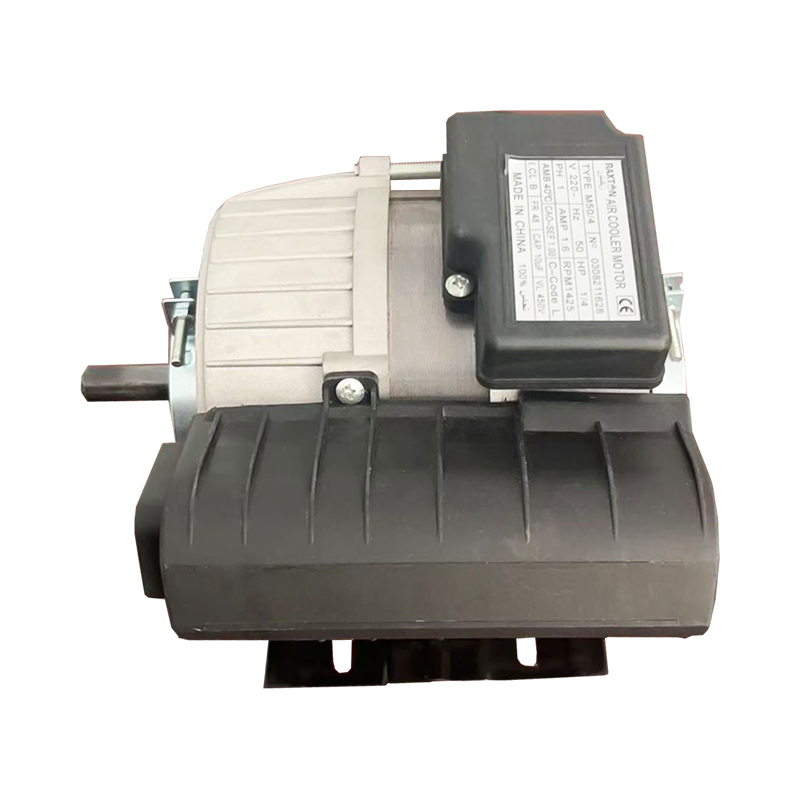
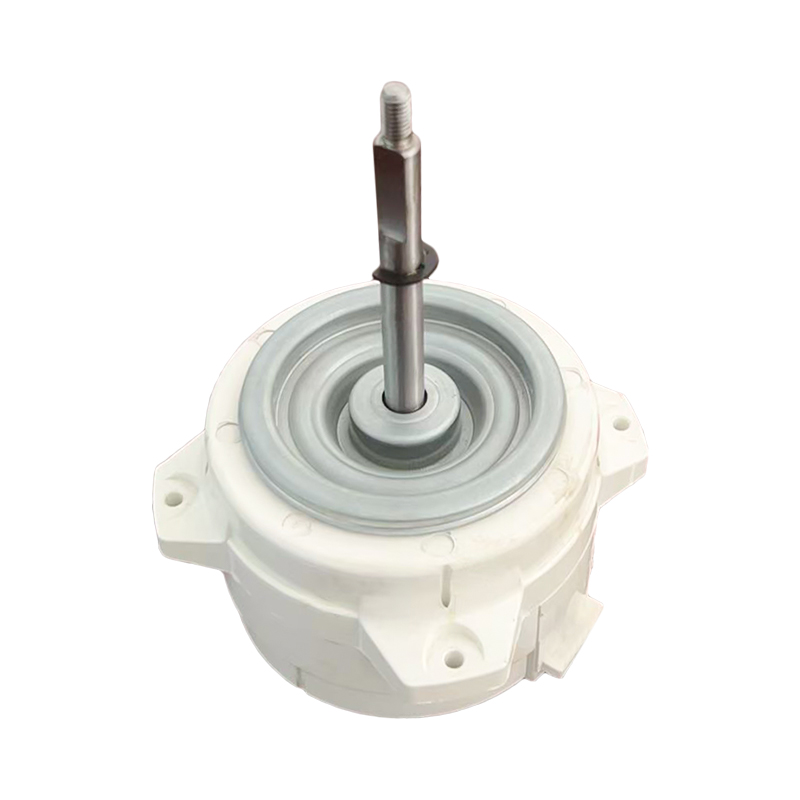
The motor section should have at least an IP20 dust protection rating to prevent dust intrusion from affecting operation. High-end models often feature sealed motor designs with superior dust and moisture resistance. Furthermore, check whether the motor is equipped with independent heat dissipation vents or heat sinks. Effective thermal design ensures stable motor operation in high-temperature environments and significantly reduces failure probability.


 Home
Home  Tel.: +86-13819807486
 Whatsapp:+86 13819807486
 E-mail:


