


 简体中文
简体中文
 English
  عربى
عربى Content
- 1 What Makes an Air Cooler Motor Different from Ordinary Fan Motors
- 2 Core Types Produced at a Motor Factory
- 3 Key Specifications to Verify Before Ordering from a Motor Factory
- 4 Winding Material: Copper vs. Aluminum
- 5 Certifications a Reliable Motor Factory Must Provide
- 6 Customization Options Available from Established Motor Factories
- 7 How to Evaluate an Air Cooler Motor Factory Before Sourcing
- 8 Energy Efficiency: The Business Case for BLDC Air Cooler Motors
- 9 Common Failure Points and How Factories Address Them
- 10 Conclusion
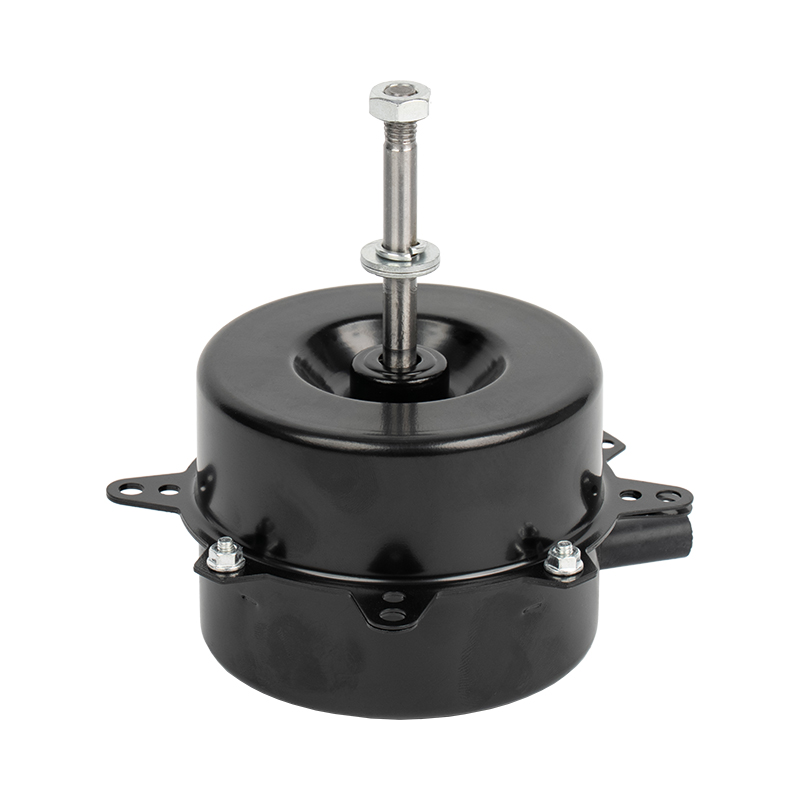
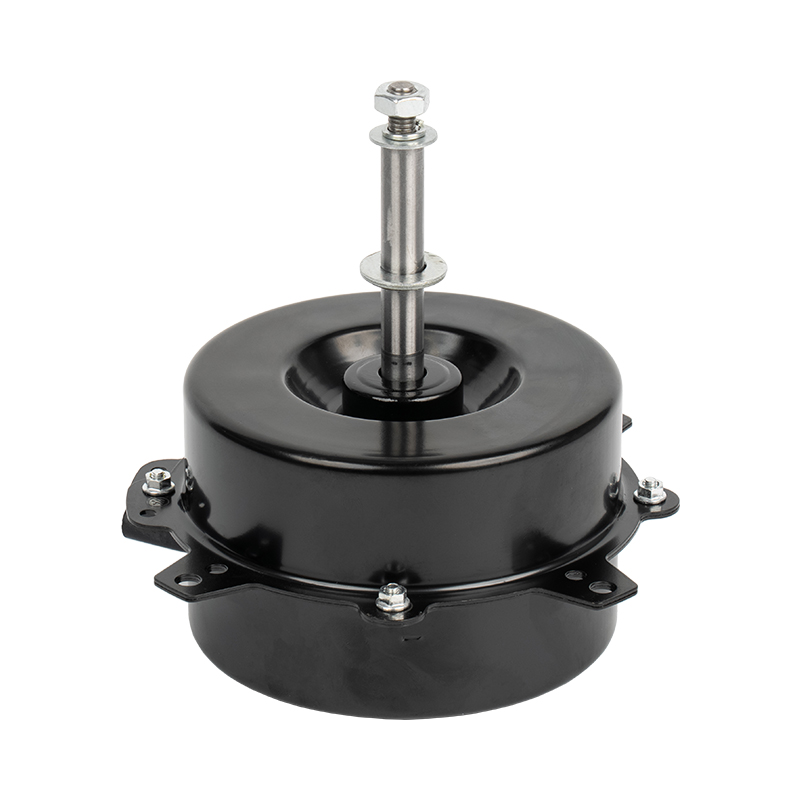
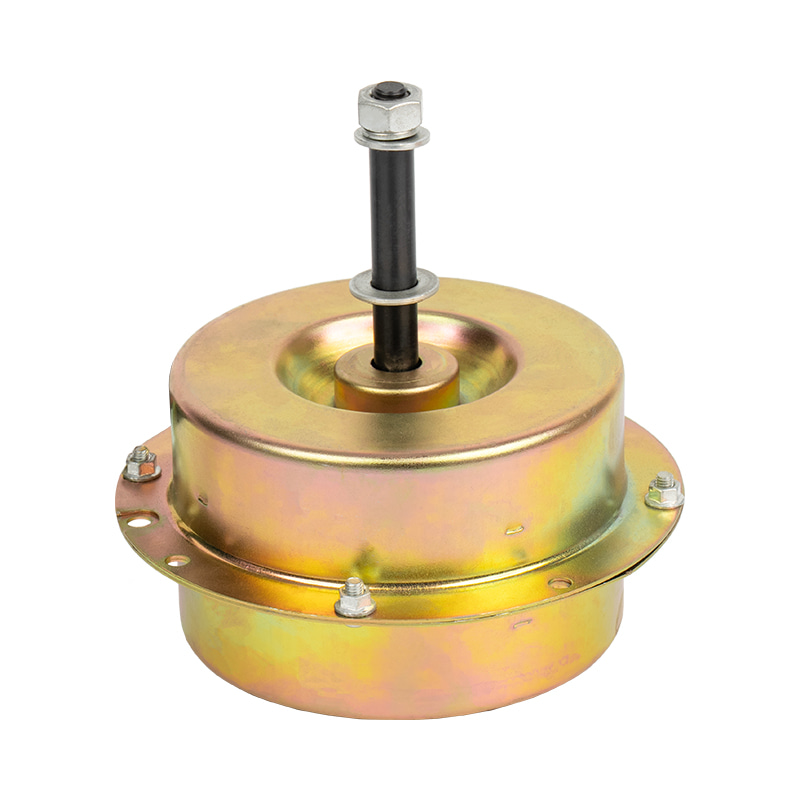
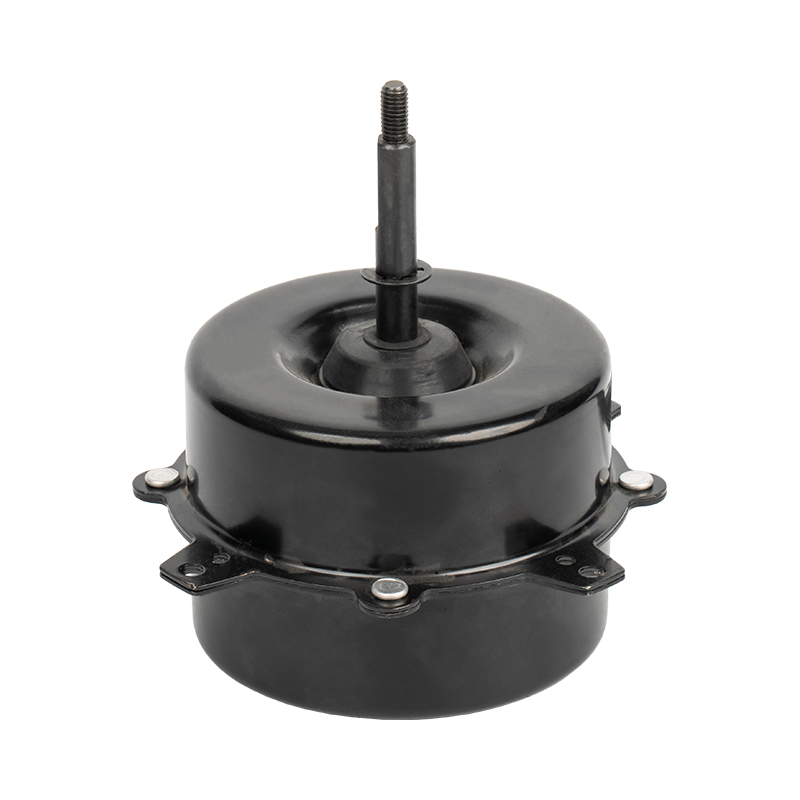
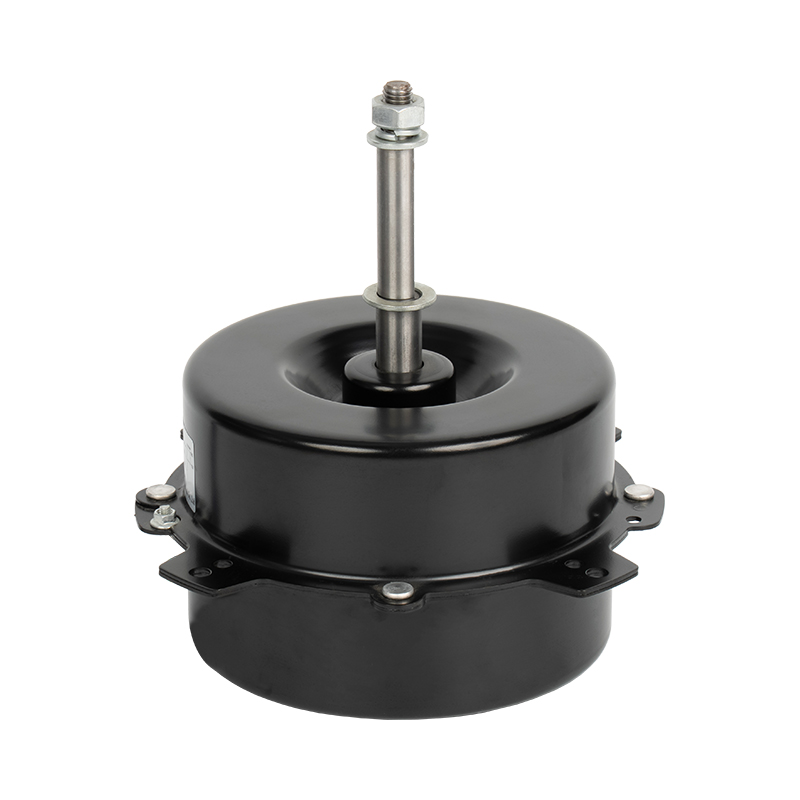
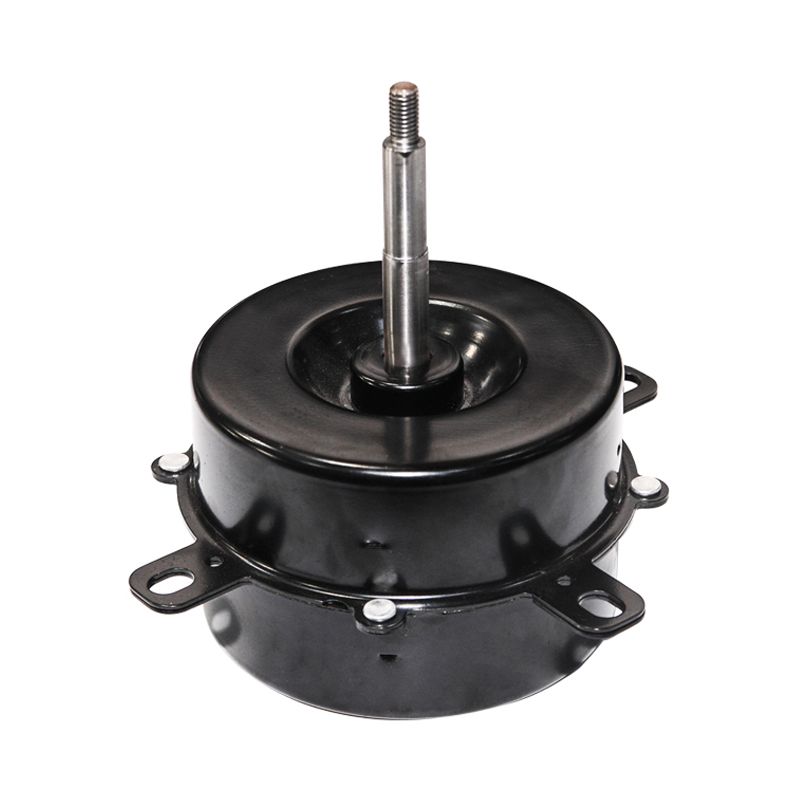
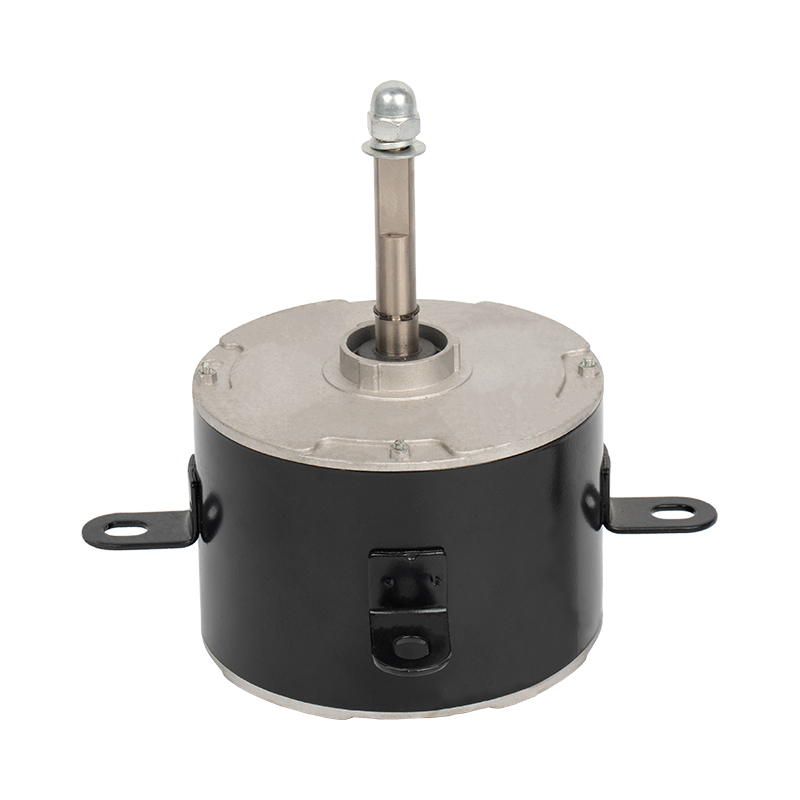
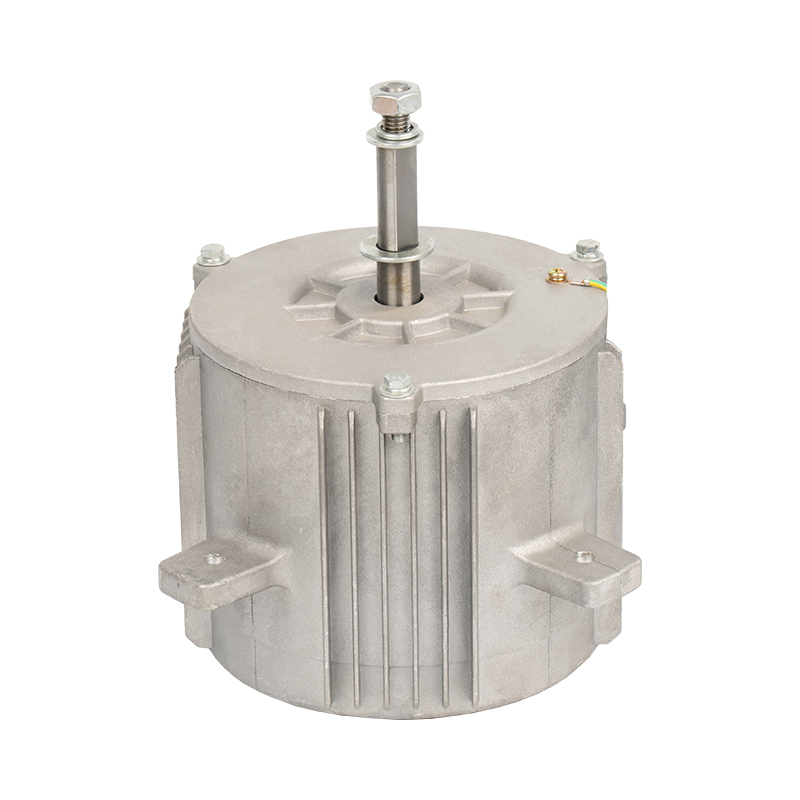
An air cooler motor is the core electromechanical component inside any evaporative or desert cooler. It drives the fan blade to generate airflow and simultaneously powers the water pump to distribute moisture across the cooling pads. Without a reliable motor, no cooler — residential or industrial — can deliver consistent temperature reduction. For buyers sourcing from a motor factory, understanding the specifications, types, and selection criteria of air cooler motors is essential to making the right procurement decision.
What Makes an Air Cooler Motor Different from Ordinary Fan Motors
Air cooler motors operate under harsher conditions than standard fan motors. They must endure continuous duty cycles during peak summer seasons, exposure to moisture from water-soaked pads, elevated ambient temperatures, and airborne dust. This is why reputable motor factories engineer these motors with:
- Sealed or semi-sealed casings to resist water ingress
- Thermal overload protection that automatically cuts power if the winding temperature exceeds safe limits
- Class B or Class F insulation ratings, meaning they withstand sustained temperatures of 130°C to 155°C
- Corrosion-resistant shaft and bracket materials, often treated aluminum or stainless steel
A standard household fan motor lacks these safeguards. Installing one in a cooler environment leads to premature failure within one or two seasons.
Core Types Produced at a Motor Factory
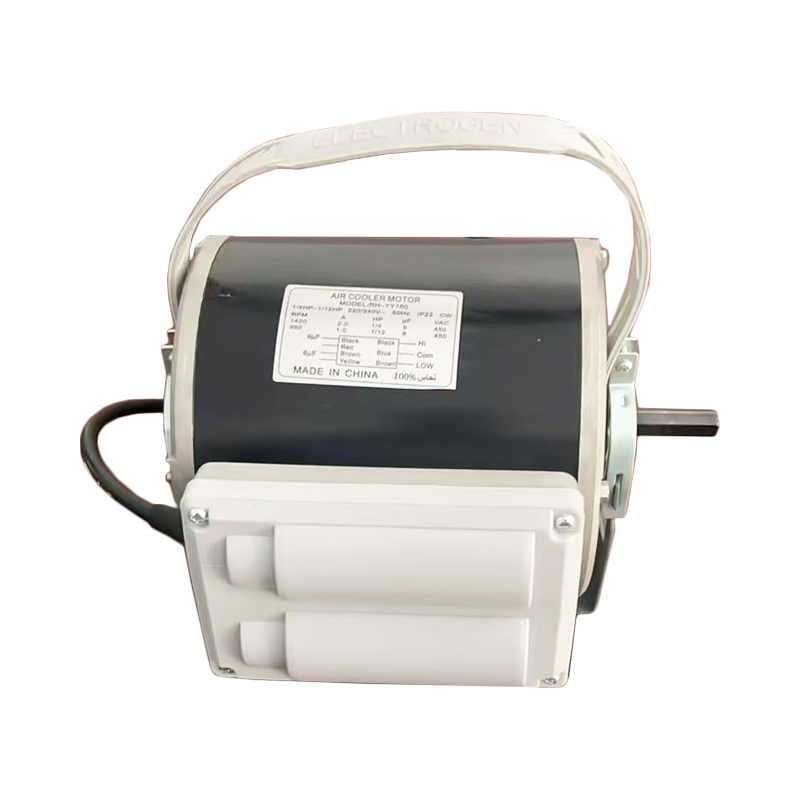
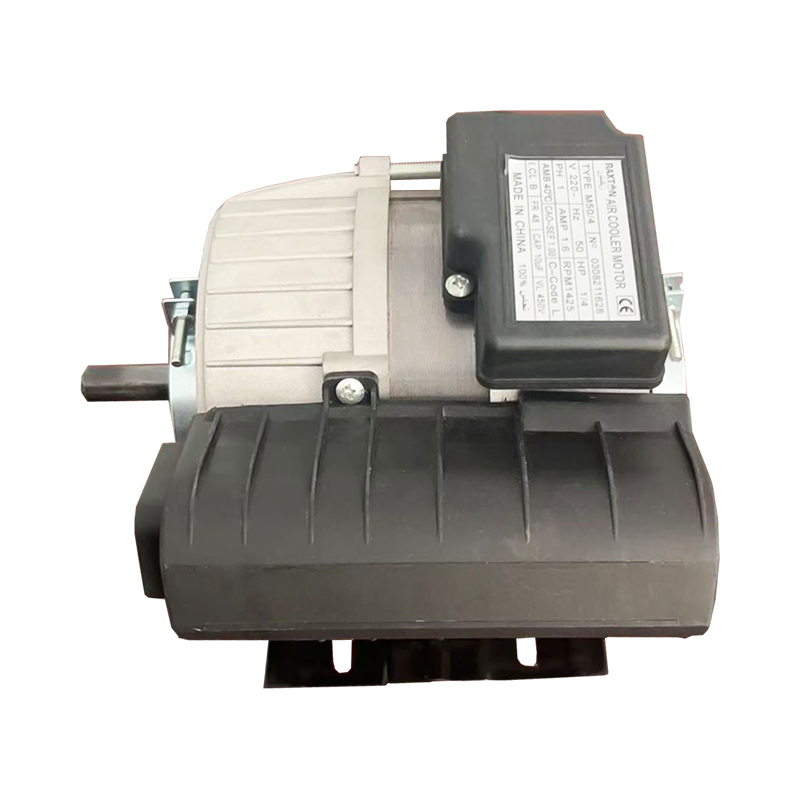
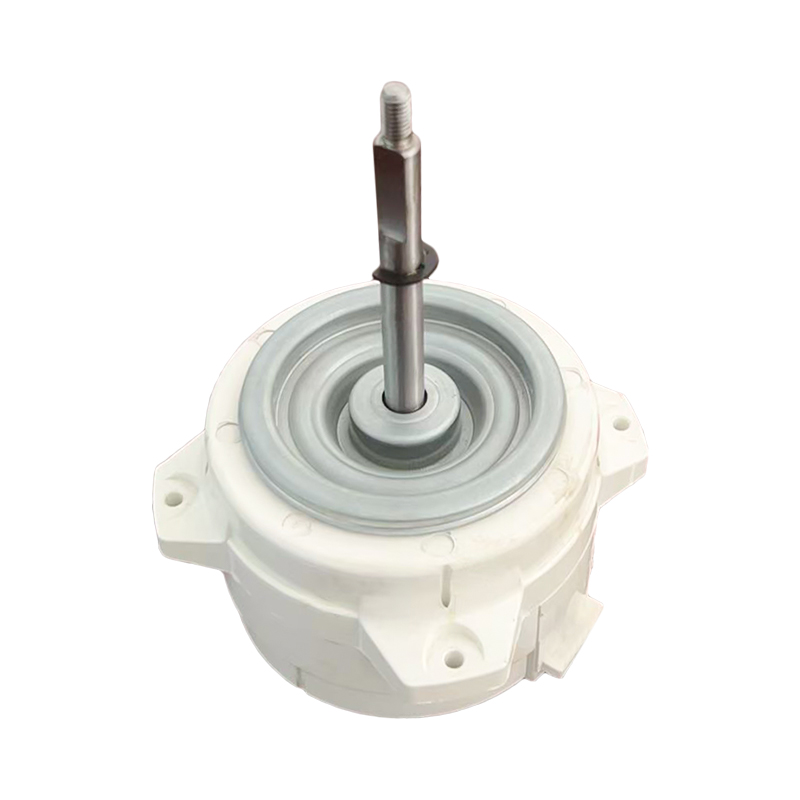
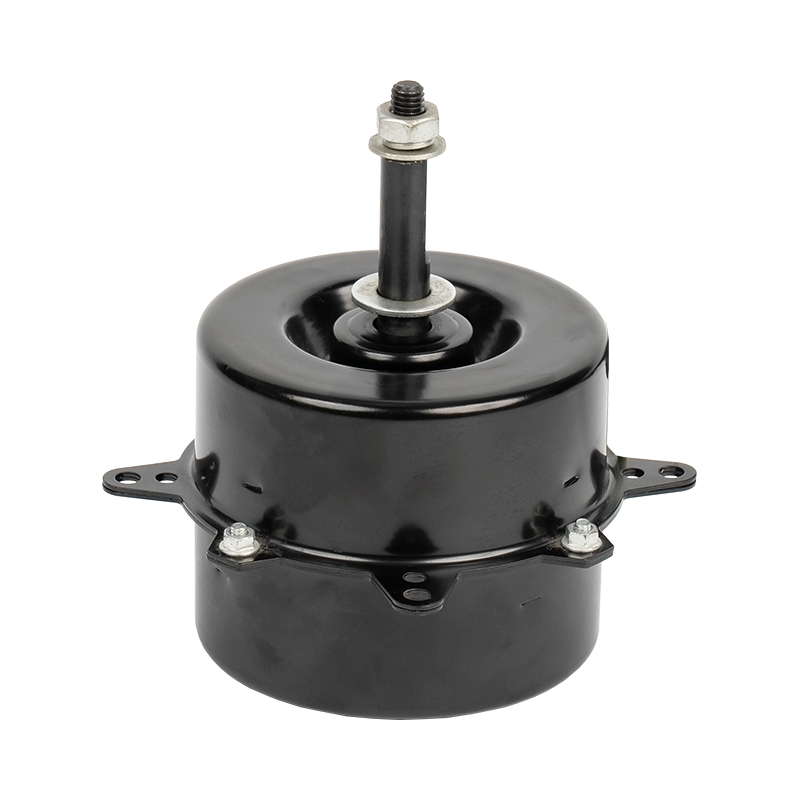
Most air cooler motors fall into three main categories. Each carries distinct advantages depending on the application:
| Motor Type | Typical Power Range | Voltage | Best Application | Price Range (USD) |
|---|---|---|---|---|
| AC Shaded Pole | 10W - 60W | 110-240V AC | Small personal / desktop coolers | $5 - $20 |
| AC PSC (Permanent Split Capacitor) | 40W - 500W | 110-240V AC | Residential and commercial coolers | $18 - $70 |
| BLDC (Brushless DC) | 30W - 300W | 12-48V DC / with inverter | Premium, inverter-compatible, industrial | $60 - $250+ |
The PSC motor remains the most widely produced type at air cooler motor factories due to its balance of cost, reliability, and compatibility with standard AC power grids. BLDC motors are rapidly gaining share because they consume up to 50% less energy than comparable AC motors under the same load.
Key Specifications to Verify Before Ordering from a Motor Factory
When sourcing air cooler motors in bulk from a factory, these are the specification parameters that directly affect performance and end-user satisfaction:
Winding Material: Copper vs. Aluminum
The choice between copper and aluminum winding has a measurable impact on motor longevity and efficiency. Factories offer both; understanding the trade-off helps buyers make the right call:
- Copper-wound motors last 30-40% longer than aluminum equivalents under equivalent operating conditions, according to motor industry benchmarks.
- Copper carries approximately 60% more electrical conductivity than aluminum, resulting in lower heat generation and reduced energy loss.
- Aluminum-wound motors cost 15-25% less at the factory gate, making them viable for low-price-point product lines where replacement cycles are acceptable.
- In markets with ambient temperatures above 40°C — such as the Middle East, South Asia, and parts of Africa — copper winding is strongly recommended.
Certifications a Reliable Motor Factory Must Provide
Before placing a purchase order with any air cooler motor factory, confirm the following compliance marks are in place. Missing certifications create import barriers and liability risks in the destination market:
Customization Options Available from Established Motor Factories
A well-equipped motor factory does not just produce standard catalog items. For OEM buyers and cooler assemblers, the following customizations are typically available:
- Shaft diameter and shaft length adjusted to match specific fan hub designs
- Stator stack height modified from 10mm to 50mm to tune torque output
- Mounting bracket geometry: can be metal or aluminum, with adjustable height configurations
- Rotation direction: clockwise (CW) or counterclockwise (CCW) on request
- Custom voltage and frequency tuning for specific export markets (e.g., 100V/60Hz for Japan)
- Color and label customization for private label or white-label programs
These options make direct factory sourcing significantly more cost-effective than purchasing through distributors, particularly for orders exceeding 500 units per run.
How to Evaluate an Air Cooler Motor Factory Before Sourcing
Not every factory that claims to produce air cooler motors maintains consistent quality. Use this checklist when evaluating a new supplier:
Energy Efficiency: The Business Case for BLDC Air Cooler Motors
For buyers targeting premium cooler segments or energy-regulated markets, BLDC (brushless DC) air cooler motors warrant serious consideration. The performance gap over conventional AC motors is well-documented:
- BLDC motors achieve efficiency ratings of 85-92%, compared to 55-70% for standard AC shaded pole motors.
- A 60W-equivalent BLDC unit can perform the same airflow work as an 85-100W AC motor, cutting operating costs by up to 40% over a cooling season.
- The higher upfront cost of BLDC motors ($60-250 vs. $18-70 for PSC) is typically recovered within 1-2 operating seasons through energy savings.
- BLDC motors support variable speed control, allowing end users to fine-tune airflow without wasting power at fixed high speeds.
Several established motor factories now offer BLDC air cooler motors with built-in controller boards, simplifying integration for cooler assembly manufacturers.
Common Failure Points and How Factories Address Them
Understanding failure modes helps buyers ask the right quality assurance questions when visiting or auditing a motor factory:
| Failure Mode | Root Cause | Factory-Level Prevention |
|---|---|---|
| Winding burnout | Insufficient insulation or overloading | Class F insulation, thermal overload protector built into winding |
| Bearing noise / seizure | Low-quality bearings or inadequate lubrication | Using internationally sourced low-noise ball bearings; pre-lubricated sealed type |
| Corrosion of shaft and bracket | Moisture exposure in cooler environment | Zinc-coated or stainless steel shaft; powder-coated aluminum brackets |
| Capacitor failure | Voltage spikes or substandard capacitor selection | Over-rated capacitors with voltage margin; use of branded components |
| Vibration and resonance | Rotor imbalance | Dynamic balancing of rotor at the end of the production line |
Conclusion
Choosing the right air cooler motor from a qualified motor factory is not purely a cost decision — it is a quality, reliability, and market compliance decision. The core takeaway: match motor type and specifications to the application environment, verify certifications for the target market, insist on copper winding for high-temperature regions, and request samples before committing to production quantities. Factories with OEM customization capabilities, relevant certifications (CE, CCC, RoHS), and at least one year of product warranty offer the strongest foundation for long-term supply chain partnerships.


 Home
Home  Tel.: +86-13819807486
 Whatsapp:+86 13819807486
 E-mail:


