


 简体中文
简体中文
 English
  عربى
عربى Content
- 1 Same Motor Power, Different Blowers: Start With the Duty Point
- 2 What a Centrifugal Blower Is and How It Builds Pressure
- 3 Four Impeller Families Used in Centrifugal Blowers
- 4 Where the Fan Curve and the System Curve Meet
- 5 Common Applications and What They Demand From the Motor
- 6 Matching the Motor to the Blower: Five Checks
- 7 Centrifugal Blower FAQ
- 7.1 What is the difference between a centrifugal blower and an axial fan?
- 7.2 Why does my forward-curved blower draw more current after I remove the filter?
- 7.3 How much energy can a variable-speed blower save?
- 7.4 What static pressure should I specify?
- 7.5 Can one blower wheel handle both clean and dusty air?
- 8 A Practical Way to Short-List Suppliers
Same Motor Power, Different Blowers: Start With the Duty Point
Ask three suppliers for a centrifugal blower with the same motor power and you will get three machines with different performance. A forward-curved wheel may deliver high airflow at modest static pressure, while a backward-inclined wheel of the same motor size generates noticeably higher pressure at the same flow. Both suppliers can be correct, because "centrifugal blower" describes a family of machines, not one fixed design.
The conclusion that experienced OEM buyers reach early is simple: specify the duty point first, choose the impeller family second, and match the motor last. The duty point is the airflow in cubic metres per hour and the static pressure in pascals that the duct, filter, heat exchanger, or process actually needs. Everything else, including price, delivery, and energy cost, follows from that decision.
What a Centrifugal Blower Is and How It Builds Pressure
A centrifugal blower moves air by spinning an impeller inside a scroll-shaped housing. Air enters the centre of the impeller, is caught by the blades, and is thrown outward. The volute housing slows that air, converting velocity into static pressure. The motor does not create pressure directly; it drives the impeller, and the impeller geometry does the aerodynamic work.
Four components make up almost every single-stage unit:
- Impeller – the rotating wheel whose blade shape controls the pressure-flow relationship.
- Volute housing – the spiral casing that collects the discharged air and converts velocity into static pressure.
- Inlet ring and outlet – the connections that guide air into the eye of the impeller and out of the scroll.
- Motor and drive – the source of torque, either shaft-mounted direct drive or belt drive.
The speed relationship matters when speed control is an option. In a fixed impeller geometry, airflow changes directly with speed, static pressure with the square of speed, and shaft power with the cube of speed. A 20 percent speed increase raises static pressure by about 44 percent; a 20 percent speed cut reduces shaft power by roughly 49 percent. Those ratios explain why variable-speed blower motors dominate energy-conscious designs.
Four Impeller Families Used in Centrifugal Blowers
Most centrifugal blowers fall into four impeller families. Forward-curved wheels are compact and low cost; backward-inclined wheels are the workhorses of continuous industrial duty; radial wheels survive dirty air; airfoil wheels give the highest efficiency but only in clean air.
| Impeller type | Blade profile | Typical peak static efficiency | Power curve behaviour | Typical duties |
|---|---|---|---|---|
| Forward curved | Many shallow, curved blades | 55–65% | Limiting power: current draw rises as flow increases | Compact HVAC units, evaporative coolers, low tip-speed applications |
| Backward inclined | Fewer deep, flat or curved blades | 72–80% | Non-overloading near free delivery | Continuous industrial ventilation, cooling and drying systems |
| Backward curved airfoil | Hollow airfoil-shaped blades | 82–88% | Non-overloading | Clean-air systems with long daily run hours |
| Radial (paddle) | Straight radial blades | 58–70% | Non-overloading | Dust, fume, and material-handling streams |
The efficiency spread is large enough to change a buying decision. At 2 kW of shaft power and 10,000 operating hours per year, a 10 percentage point efficiency difference means roughly 2,000 kWh of wasted energy per machine per year.
Why the power curve matters for motor protection
Forward-curved wheels have a limiting-power characteristic: input power rises as flow increases, so removing a filter or opening a duct door can overload the motor. Backward-inclined wheels peak near mid-flow and then decline, so the motor can be sized closer to design power. Ask suppliers for the fan curve and the input power curve, not just the nameplate rating.
Where the Fan Curve and the System Curve Meet
A blower always operates at the intersection of two curves. The fan curve shows the static pressure the blower delivers at each airflow for a fixed speed. The system curve shows the pressure the connected duct and components need at each airflow; for most clean duct systems it rises roughly with the square of flow. Move the operating point by changing the system, and the blower moves along its fan curve.
The intersection also explains why filter maintenance changes motor load. As a filter loads, resistance rises, airflow drops, and the blower moves toward shut-off. When the process needs stable airflow while pressure varies, speed control is the practical answer.
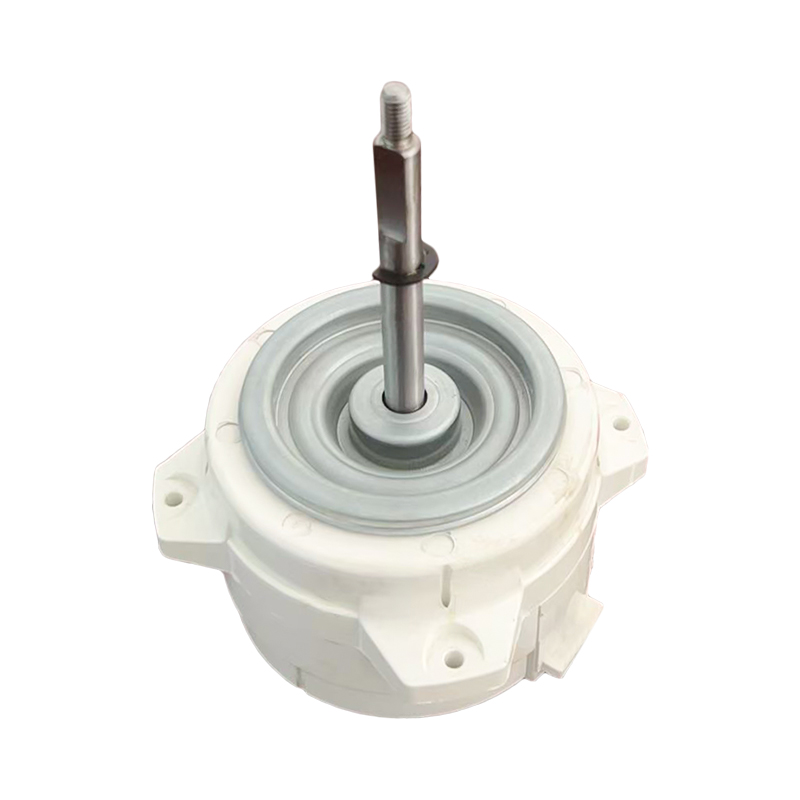
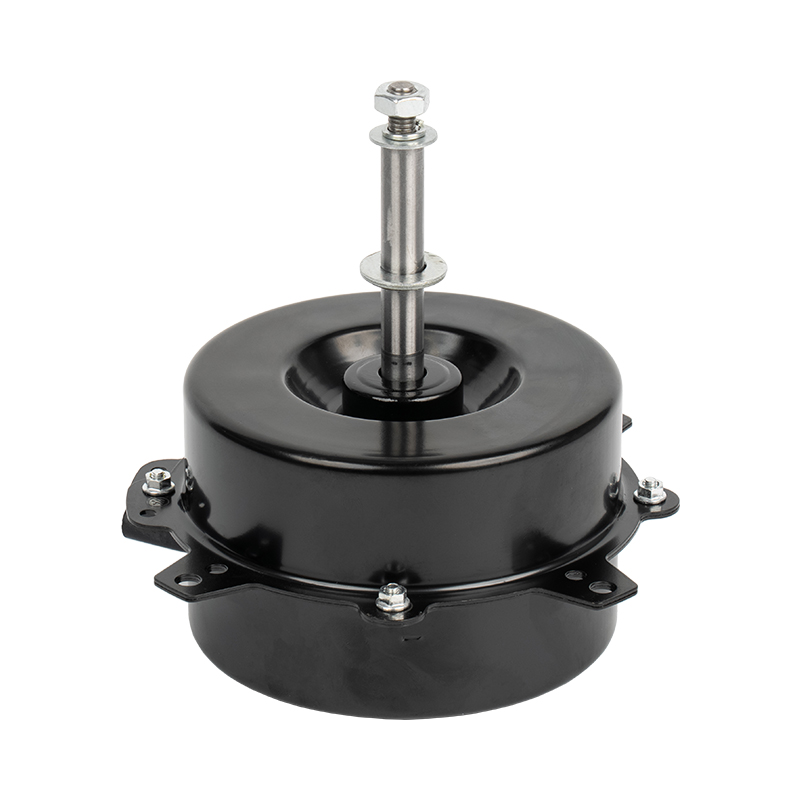
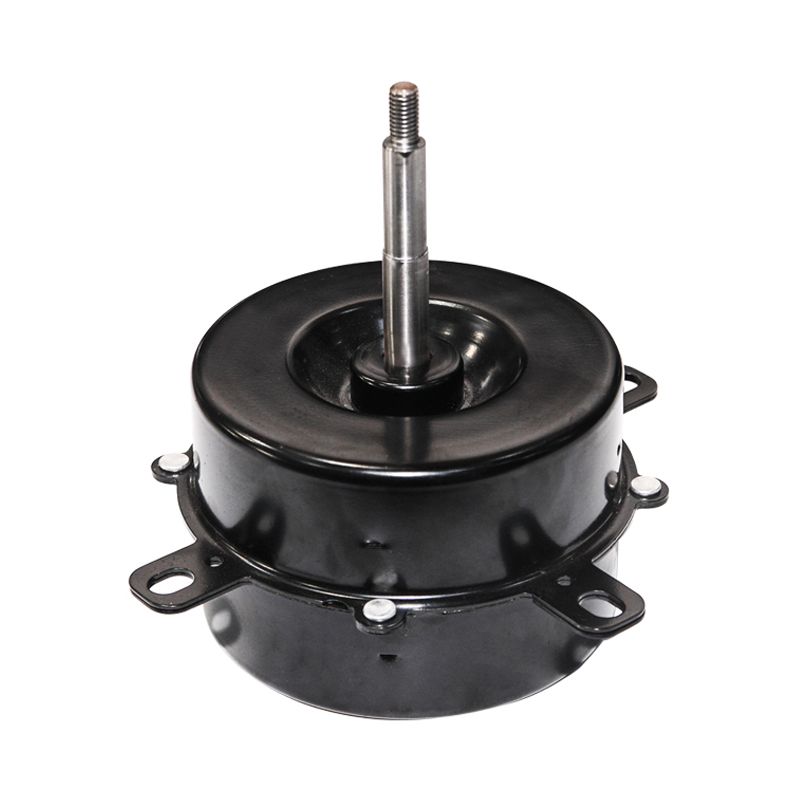
For OEMs who want speed control without adding an external inverter, the motor must tolerate the drive waveform and hold torque at low speed. A variable-frequency speed small blower motor YYK60 is designed for that condition, with continuous torque across the lower speed band where the savings appear.
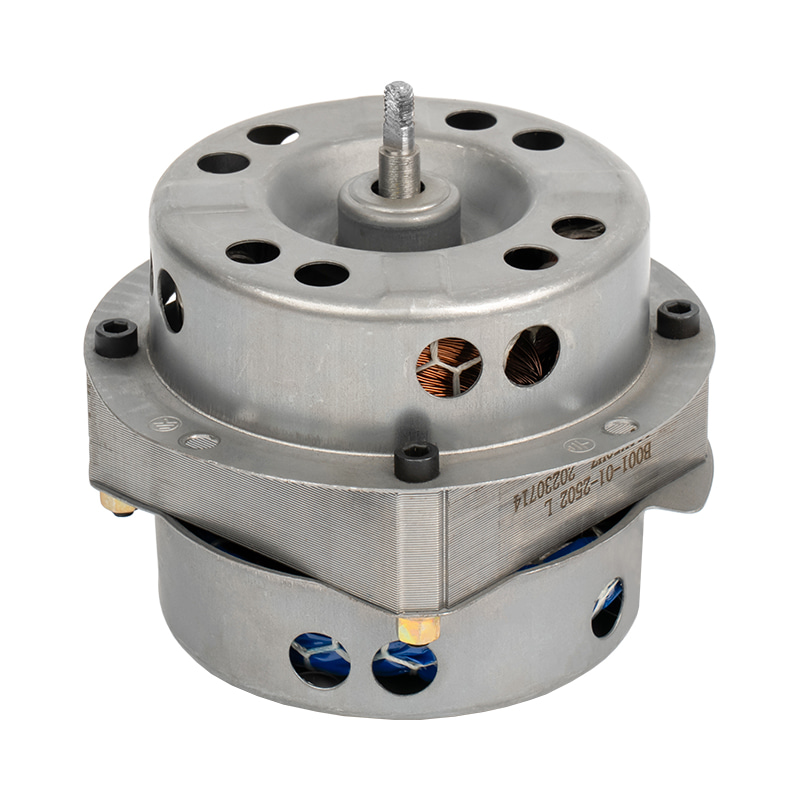 Variable Frequency speed small Blower motor YYK-60 Supplier, Wholesale CompanyCixi Xinhao Motor Co., Ltd. is China Variable Frequency speed small Blower motor YYK-60 supplier and wholesale Variable Frequency speed s...View Product →
Common Applications and What They Demand From the Motor
Centrifugal blowers appear wherever air must move against resistance. The list below covers the majority of OEM projects that buy a blower and a motor together.
- Cooling and drying systems – blowers push air across heat exchangers and drying tunnels; the motor runs long hours in warm, humid air, so insulation and bearing protection matter.
- Industrial air purification – filters add resistance as dust accumulates; the motor must hold speed and torque as static pressure climbs.
- Pneumatic conveying – granules, pellets, and powder move in an air stream; radial wheels resist erosion better than airfoil blades.
- Dust and fume extraction – high static pressure overcomes long duct runs; non-overloading impellers protect the motor.
- Process air supply – combustion, drying, and cooling air for machines, where stable flow matters more than peak pressure.
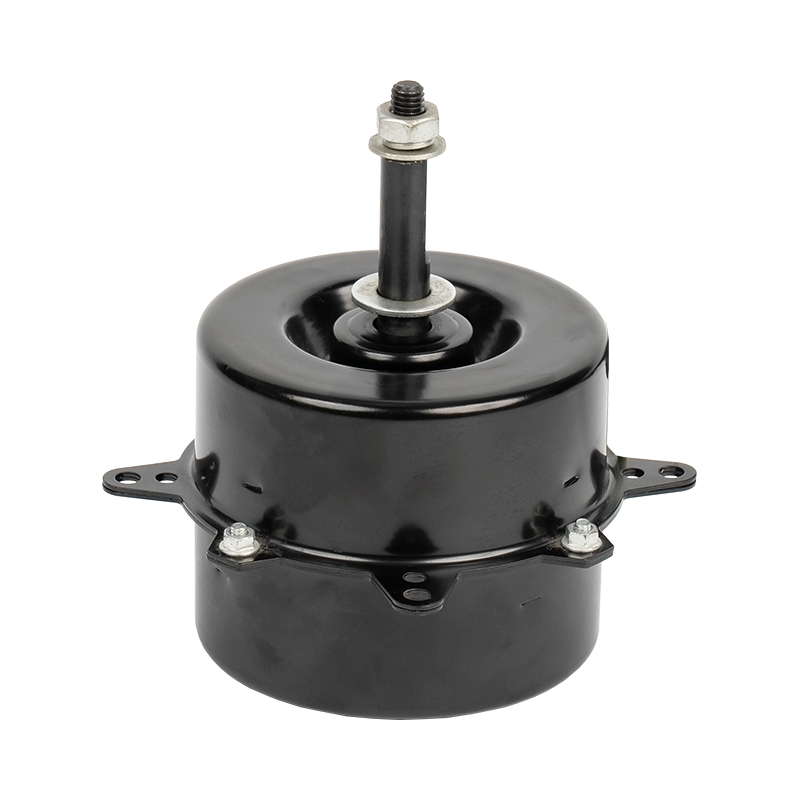
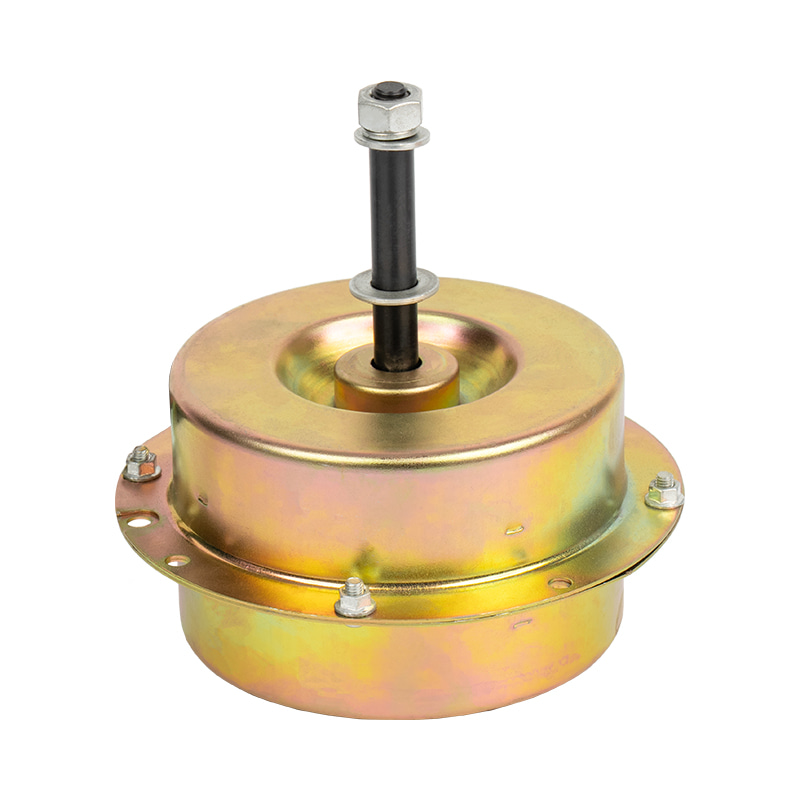
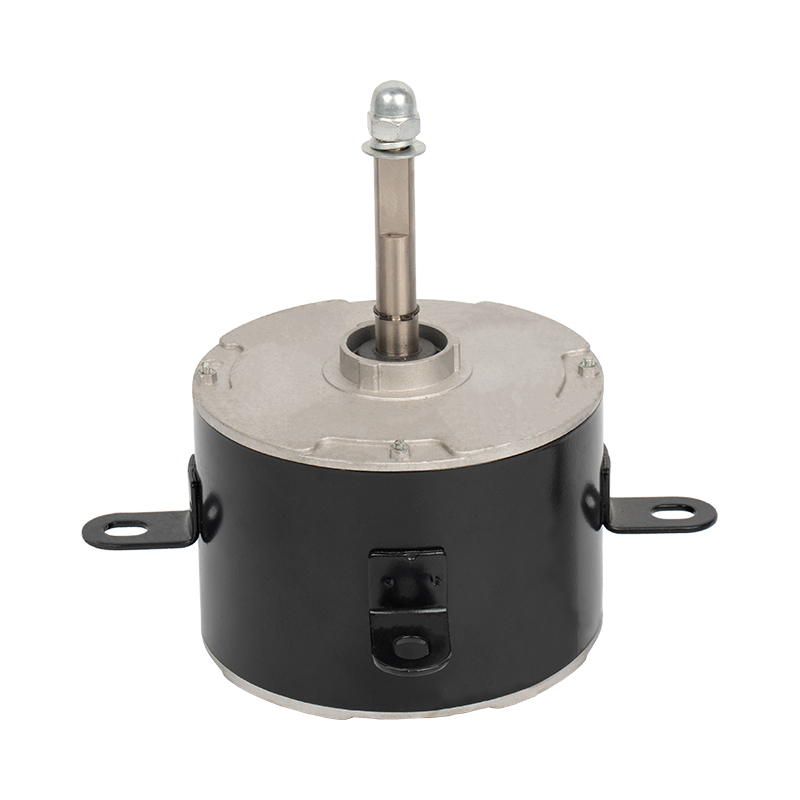
Cooling and drying equipment is the largest category for motor-driven blowers in the appliance and light industrial sector. For a medium-duty cabinet running near a heat exchanger all day, the motor must keep its winding temperature below the rating limit without extra cooling. The cooling and drying medium blower motor YYK60 is sized for that continuous service, with a speed and power range chosen for medium-flow drying and cooling units.
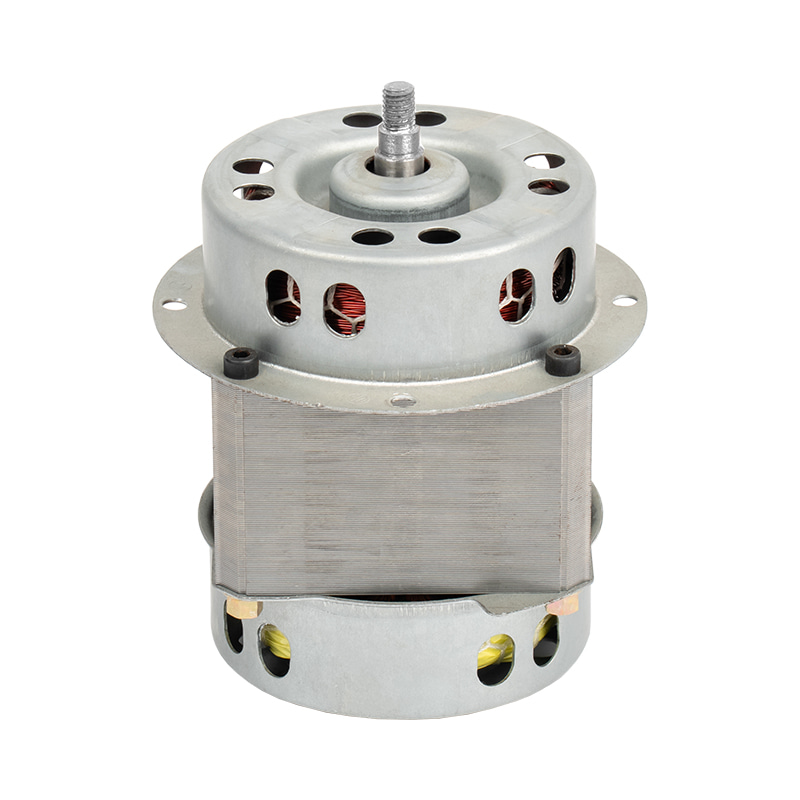 Cooling and drying Medium blower motor YYK-60 Supplier, Wholesale CompanyCixi Xinhao Motor Co., Ltd. is China Cooling and drying Medium blower motor YYK-60 supplier and wholesale Cooling and drying Medium blowe...View Product →
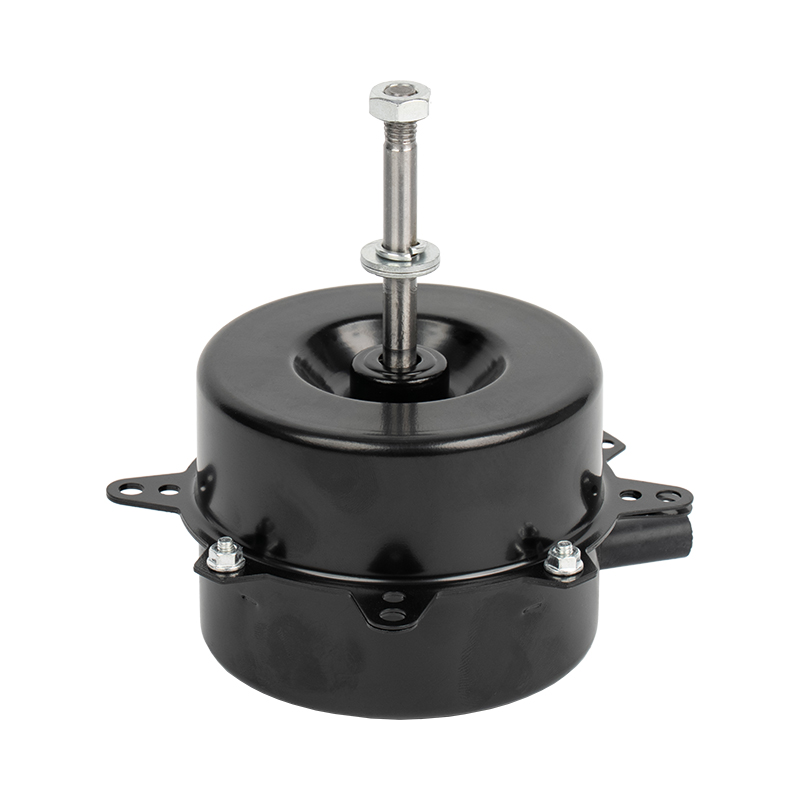
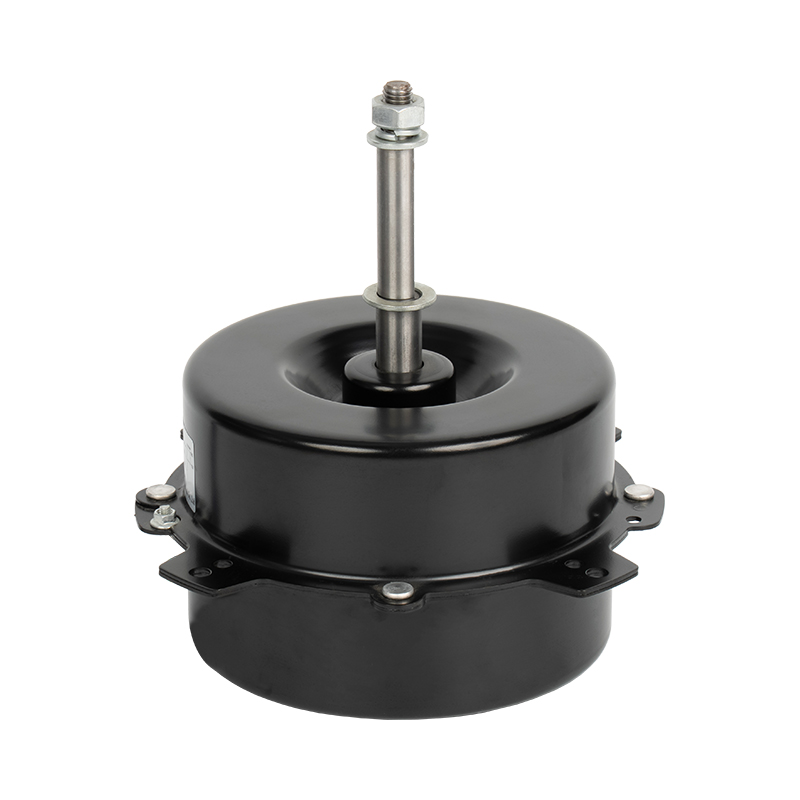
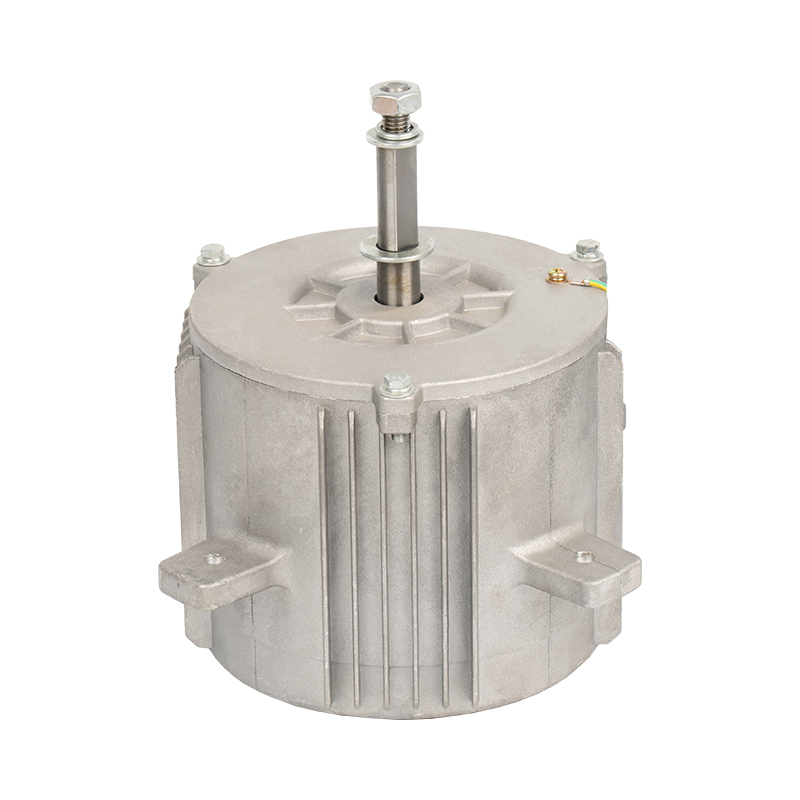
Industrial air purifiers put a different stress on the motor. Static pressure rises as the filter loads, flow drops, and the torque requirement can climb at the dirty-filter condition. Motors in that duty need a stiff torque curve and adequate reserve current. The efficient large aluminum fan industrial air-purifier motor YYK120 suits filtration cabinets with clean, dry air and many hours of daily operation.
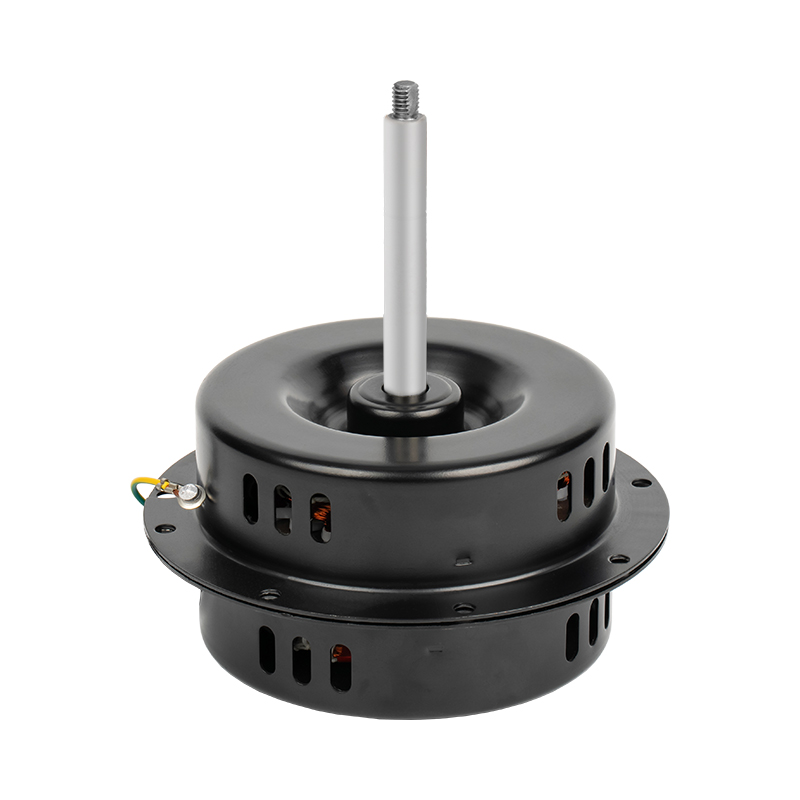 Efficient Large Aluminum fan Industrial Air Purifier Motor YYK-120 Supplier, WhoCixi Xinhao Motor Co., Ltd. is China Efficient Large Aluminum fan Industrial Air Purifier Motor YYK-120 supplier and wholesale Efficient ...View Product →
If the terminology on blower motor data sheets is new to you, our blower motor knowledge guide explains the values suppliers expect buyers to compare.
Matching the Motor to the Blower: Five Checks
The blower defines airflow and pressure; the motor defines reliability and running cost. In a typical single-stage unit, only about 62 percent of the input power becomes useful air power; the chart below shows where the rest goes, and it explains why efficiency class and load point deserve as much attention as price.
Useful air power 62% Impeller and flow losses 13% Motor losses 16% Bearing and drive losses 9%
Five checks cover most field failures and most missed energy savings:
- Duty point versus rated power. Size the motor for the highest-load condition, often the dirty-filter or open-inlet condition, not the nominal design point.
- Insulation class. Class F insulation (155 degrees Celsius) is the normal starting point; Class H (180 degrees Celsius) suits hot process air in compact housings.
- Efficiency level. IE2 or IE3 motors repay the price difference quickly when run more than 2,000 hours per year.
- Bearing and sealing. Sealed ball bearings and IP44 or better protection resist the dust and humidity of blower compartments.
- Speed control interface. If the design needs variable flow, confirm the motor is inverter-rated or choose a brushless motor, and check low-speed cooling and torque.
| Specification | Why it matters | Typical selection for blower duty |
|---|---|---|
| Rated power | Covers the maximum-load condition without excessive start current | Duty point power plus 15–25% margin |
| Speed range | Sets the flow and pressure the blower can reach | Fixed speed 1,300–3,000 rpm or variable band |
| Insulation class | Determines winding life at operating temperature | Class F minimum; Class H for hot air |
| Enclosure and protection | Blocks dust and accidental water ingress | IP44 or higher with sealed bearings |
| Efficiency class | Defines continuous running cost | IE2/IE3 or brushless motor |
Variable-flow designs deserve one extra comment. A brushless DC or controlled-AC motor holds efficiency across a wide speed band, but the drive waveform, cable length, and bearing currents need attention. Our notes on DC brushless motor use summarise those points and can save a prototype round.
Centrifugal Blower FAQ
What is the difference between a centrifugal blower and an axial fan?
A centrifugal blower draws air into the impeller eye and discharges it at 90 degrees, building significantly higher static pressure. An axial fan moves air straight through the blade plane and suits high flow at low pressure. For ducts, filters, and heat exchangers, a centrifugal blower is usually the right family.
Why does my forward-curved blower draw more current after I remove the filter?
Forward-curved impellers have a limiting-power characteristic: input power keeps rising as flow increases. Removing a filter lowers system resistance, flow rises, and the motor load climbs. If the motor was sized close to the original duty, it can overload. A backward-inclined impeller is safer when system resistance changes.
How much energy can a variable-speed blower save?
Because shaft power changes with the cube of speed, a 20 percent speed reduction needs roughly 49 percent less power at the shaft. In processes that cycle between part load and full load, that saving justifies an inverter-duty motor or a brushless motor.
What static pressure should I specify?
Measure the pressure needed at maximum airflow across the most restrictive point: duct, filter, heat exchanger, and outlet losses combined. Add a 15 to 25 percent margin so the blower keeps working as the filter ages, then give that figure to the supplier.
Can one blower wheel handle both clean and dusty air?
Airfoil blades give the best efficiency but erode quickly in dusty streams. Radial and backward-inclined flat blades tolerate some erosion without a steep performance loss. For material handling, choose a rugged wheel and accept a lower efficiency.
A Practical Way to Short-List Suppliers
A well-specified centrifugal blower starts with a duty point, not a motor size. Once the airflow and static pressure are fixed, the impeller family narrows down efficiency and overload risk, and the motor choice determines running cost and service life. Suppliers who send performance curves instead of a single quote point deserve a closer look.
If you are working on a cooling, drying, or air-handling machine and need a motor matched to the blower duty, send us the operating conditions and the space available in the housing. Our engineering team will recommend a fixed-speed motor for continuous duty or a variable-speed motor for part-load operation. Contact our engineering team and we will work from your duty point rather than a generic catalogue figure.


 Home
Home  Tel.: +86-13819807486
 Whatsapp:+86 13819807486
 E-mail:


