


 简体中文
简体中文
 English
  عربى
عربى Content
- 1 Power, Speed and Noise Across the Core Motor Range
- 2 Motor and Pump Product Line
- 3 Air Cooler Water Pumps: The Part Buyers Forget to Spec Alongside the Motor
- 4 Range Hood Motor and Blower Motor: Matching Extraction Power to Kitchen Size
- 5 Speed and Torque Profile Across the Product Line
- 6 Why Noise Rating Decides Which Motor Fits Which Room
- 7 One Motor Factory, Nine Product Lines, One Quality Baseline
- 8 Matching the Right Motor to the Right Appliance
Motor Sourcing Guide
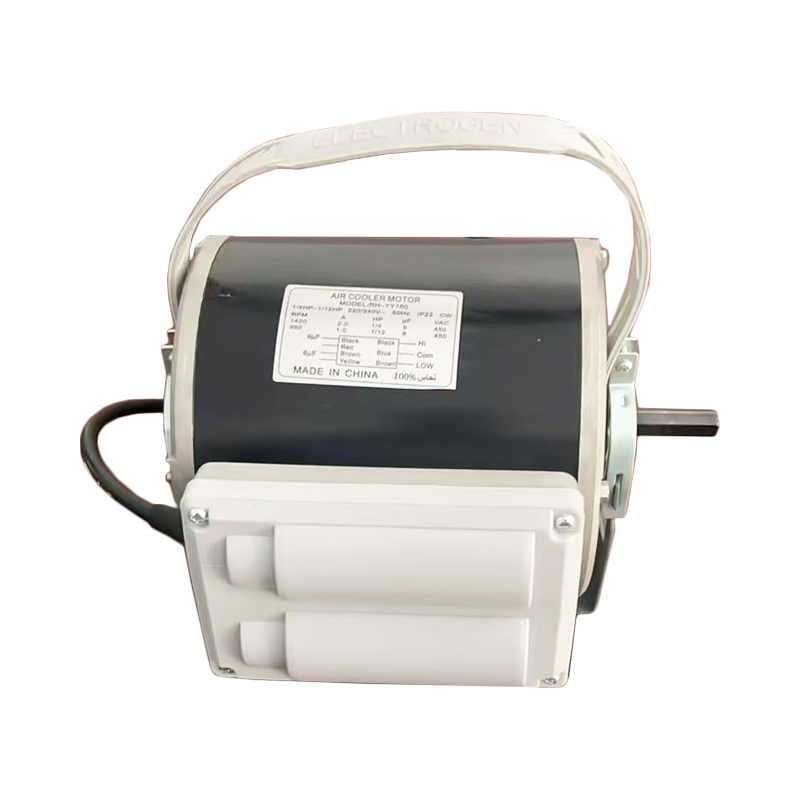
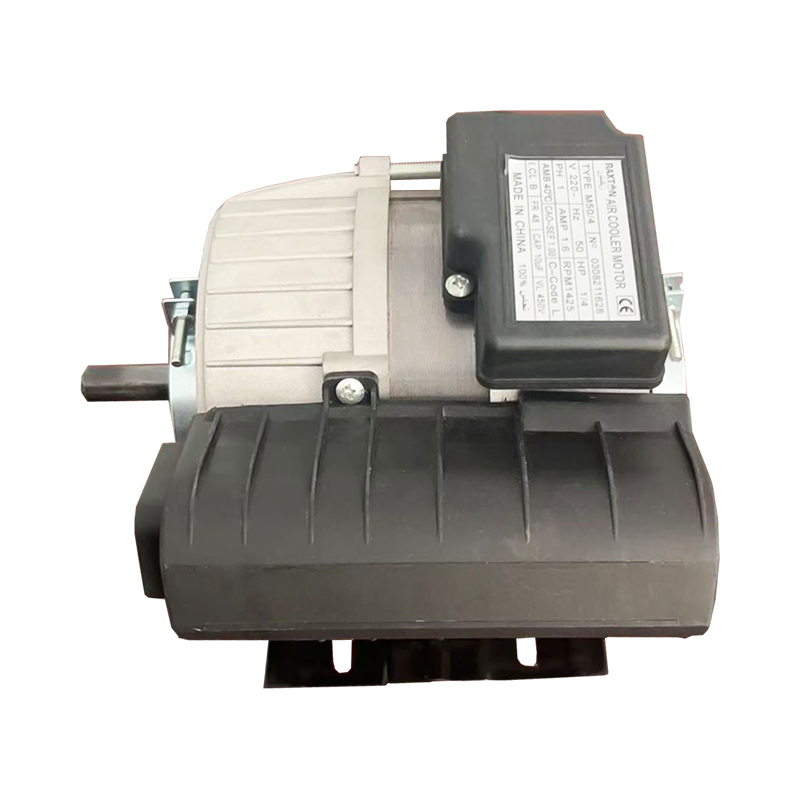
Three numbers decide whether an air cooler motor, a washing machine motor or a wall breaking machine motor survives daily use: rated power matched to the load, a speed range the bearings can sustain, and a noise level low enough for the room it sits in. Cixi Xinhao Motor has built its air cooler, purifier, fan, pump and kitchen motor range around exactly these three numbers since 2008.
Power, Speed and Noise Across the Core Motor Range
Every appliance category pulls its motor spec from a different corner of the same design problem. The table below lines up the four categories buyers compare most often when matching a motor to a finished product.
| Motor type | Typical power | Speed range | Where it runs |
| Air Cooler Motor | 0.5kW – 1.5kW home, up to 5kW industrial | Multi-speed, fan-load matched | Evaporative cooling units, workshops |
| Industrial Air Purifier Motor | 200W – 1,100W | BLDC variable speed | Workshop, warehouse, factory filtration |
| Washing Machine Motor | 300W – 800W | Wash and spin dual range | Direct-drive and belt-drive washers |
| Wall Breaking Machine Motor | 500W – 2,000W | 10,000 – 30,000 rpm | Blenders, soy milk and juice machines |
A washing machine motor and a wall breaking machine motor can share a similar power draw on paper, yet run at completely different speeds — which is why matching rpm to the load matters as much as matching wattage.
Motor and Pump Product Line
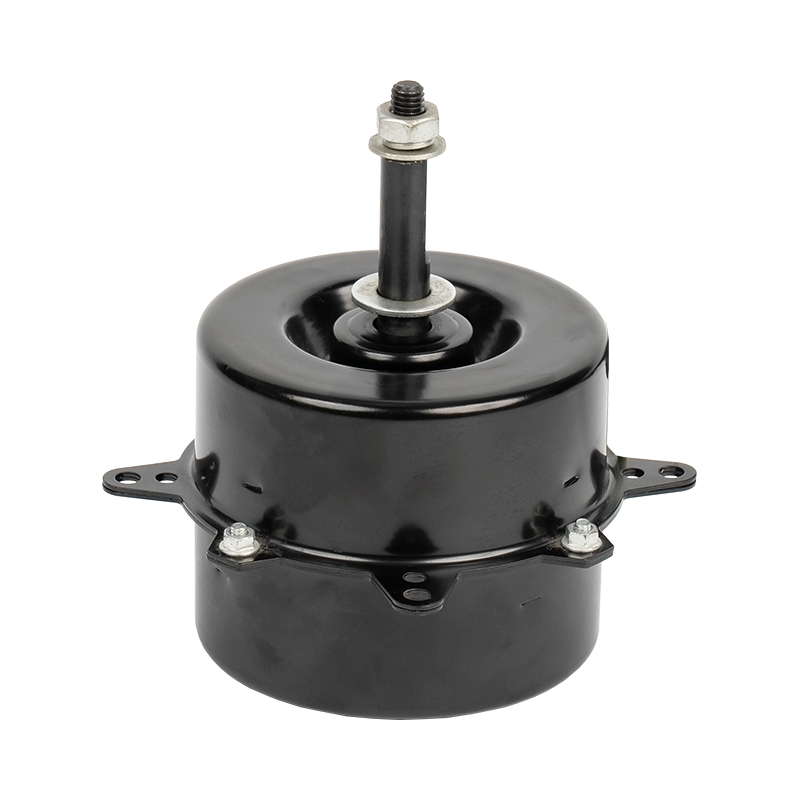
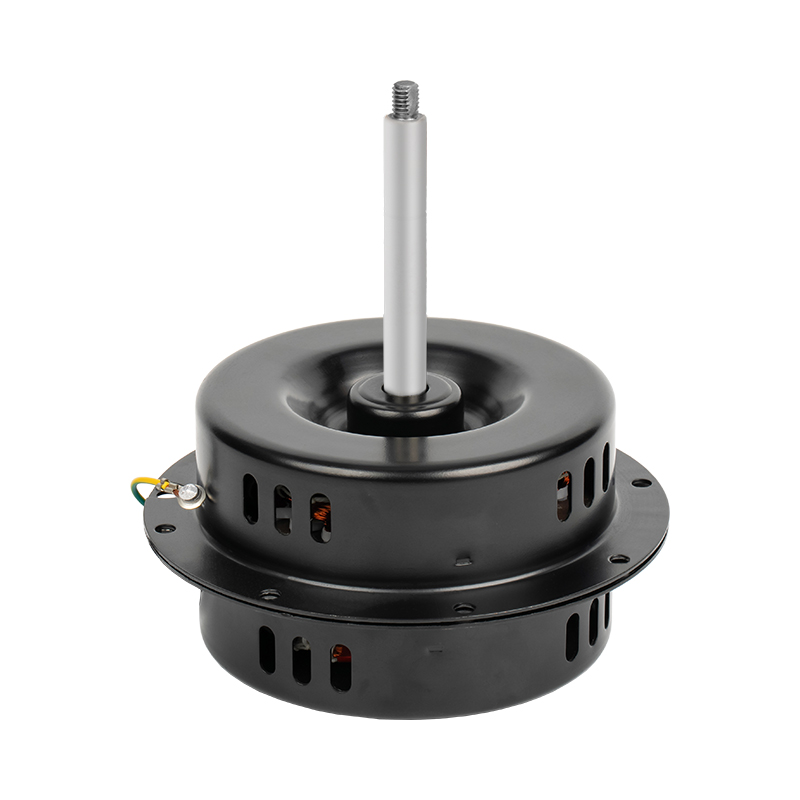
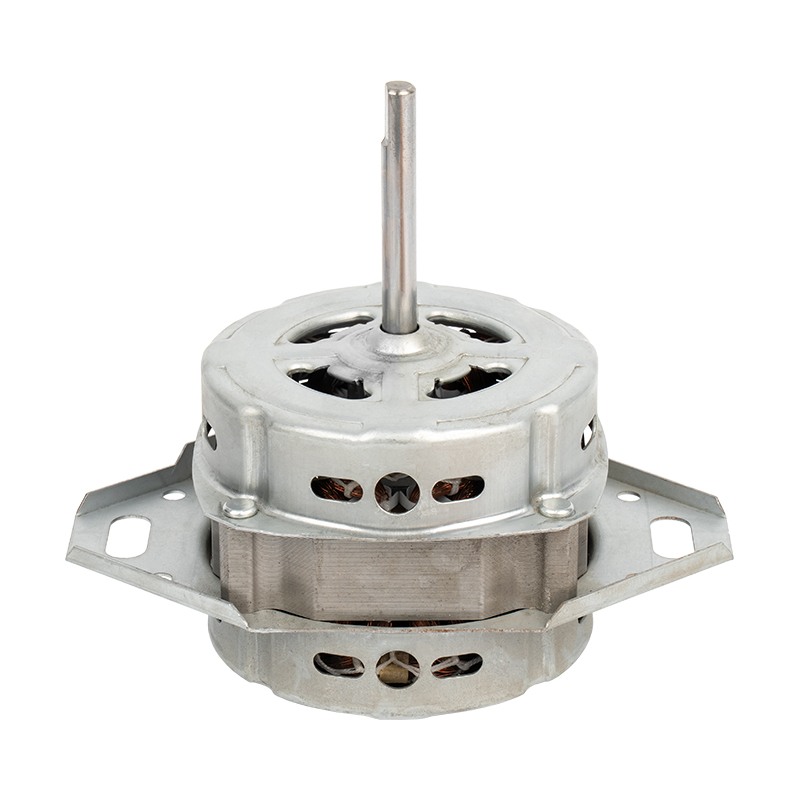
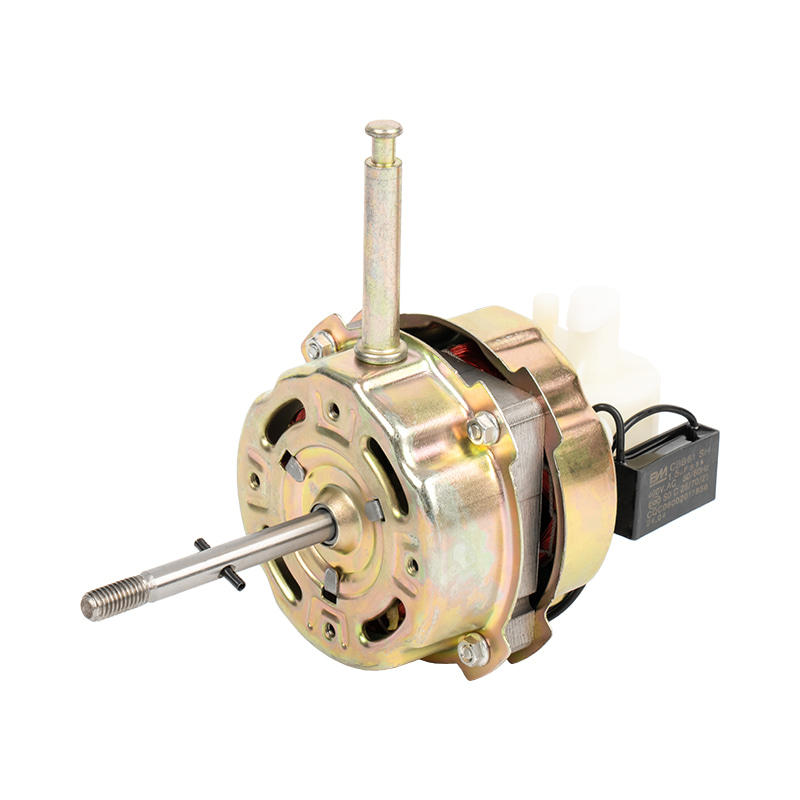
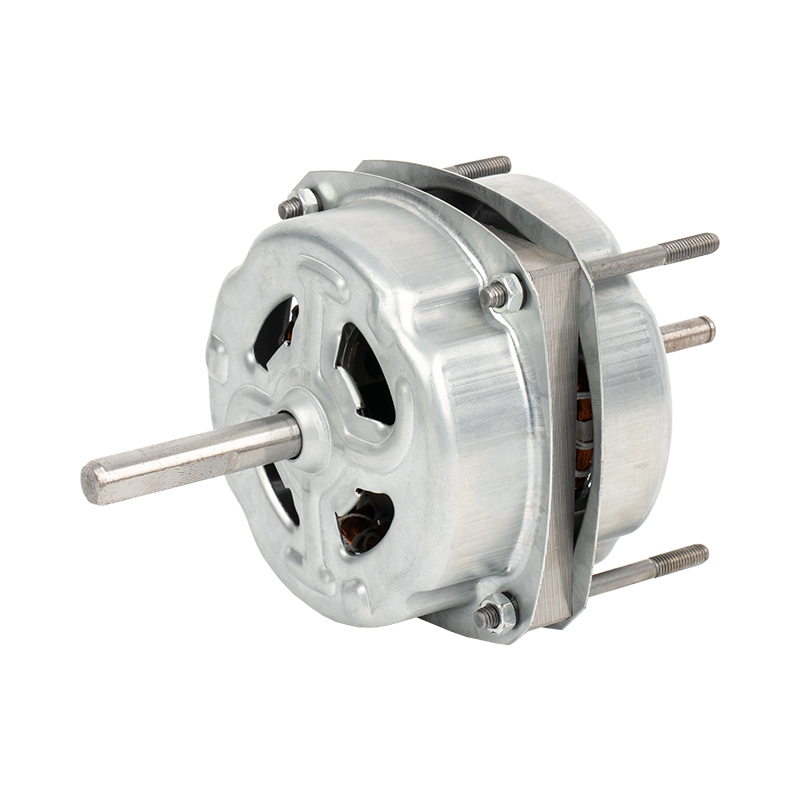
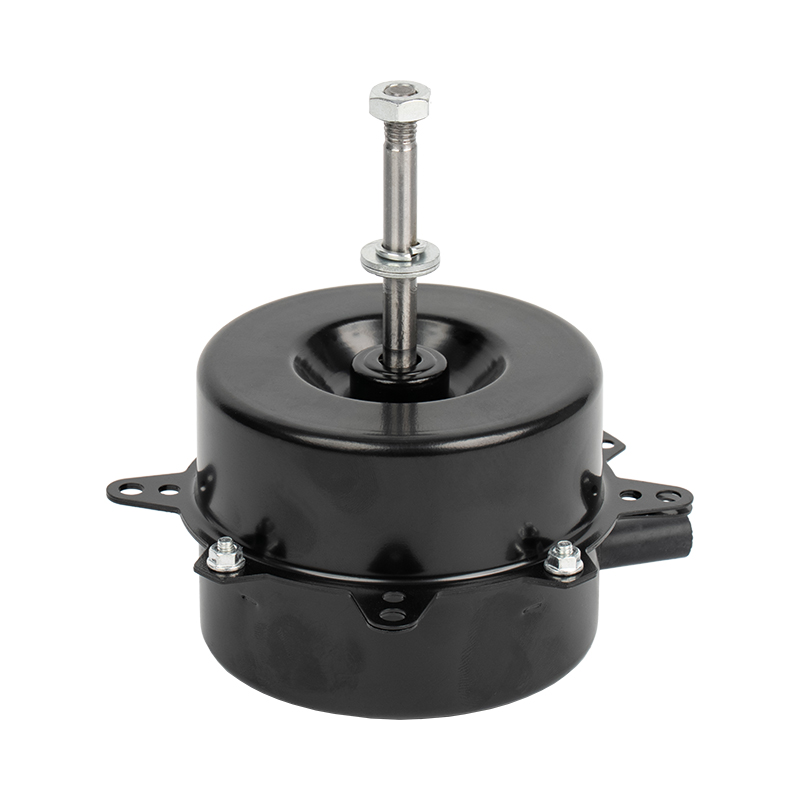
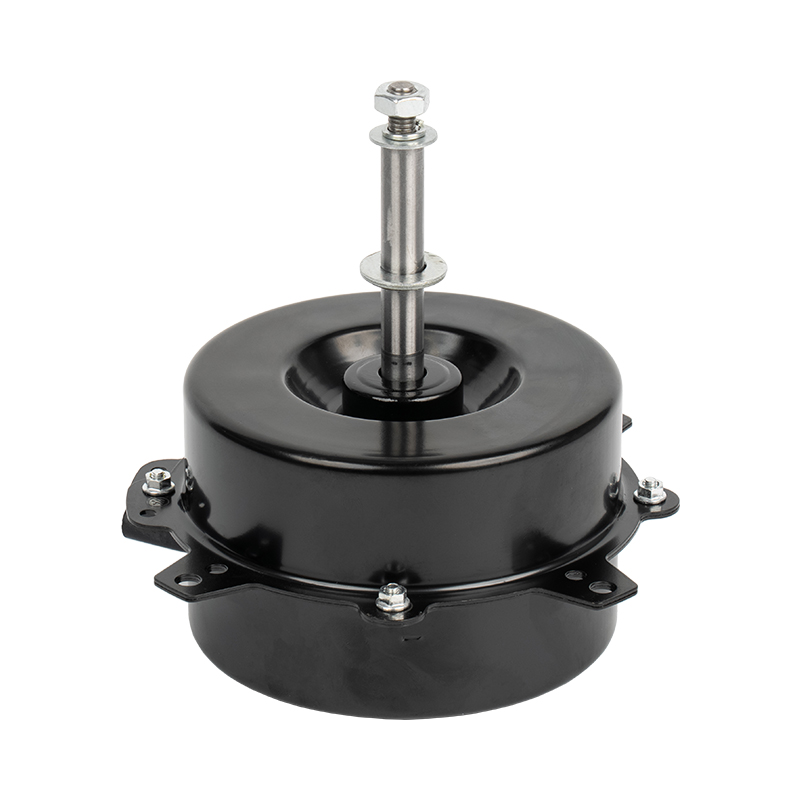
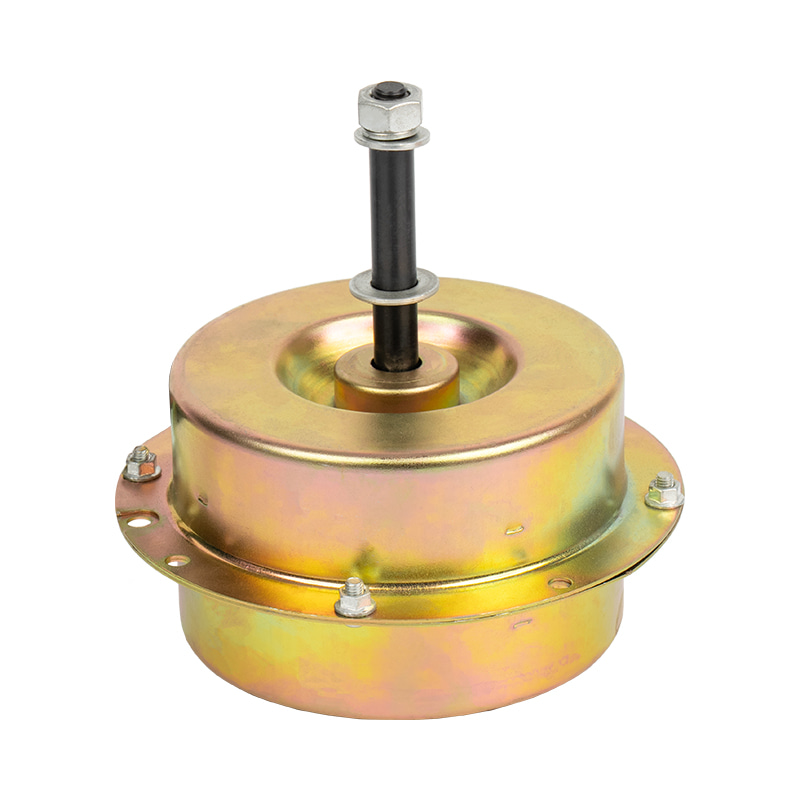
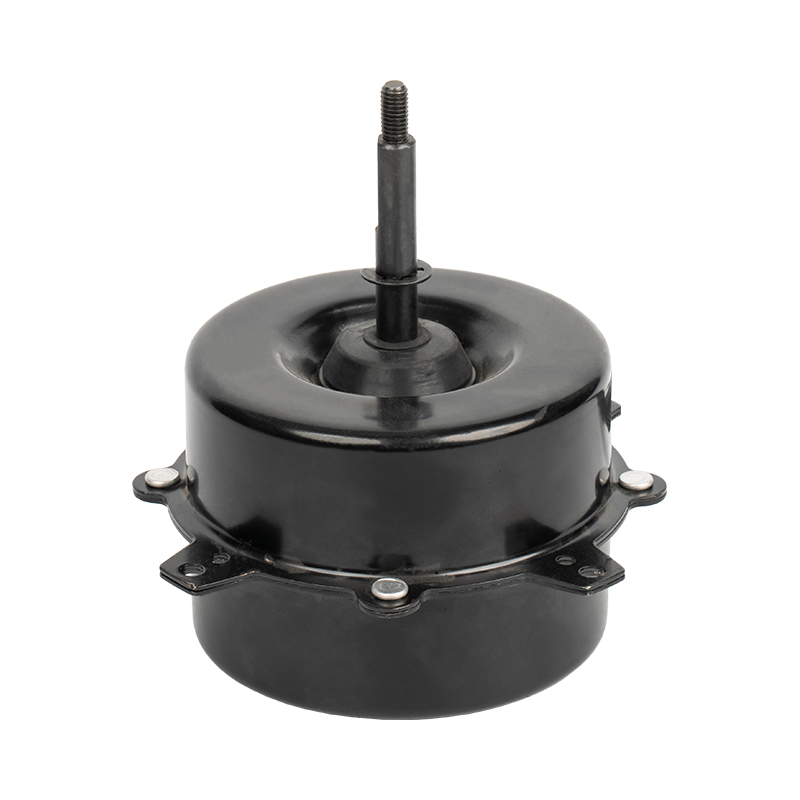
Five components pulled from daily OEM orders, engineered around the same food-appliance-grade winding and bearing standard.
Air Cooler Water Pumps: The Part Buyers Forget to Spec Alongside the Motor
An air cooler motor drives the fan blade, but the cooling effect itself depends on a second component running in parallel: the air cooler water pump that keeps the cooling pad saturated. Ordering the motor without matching the pump's flow rate is one of the most common gaps in a first OEM order.
What the motor controls
Fan speed, airflow volume, and how far the cooled air throws across a room or workshop floor.
What the pump controls
How evenly water saturates the cooling pad, which sets the actual temperature drop the unit can deliver.
Why buyers spec both together
A strong motor paired with an undersized pump dries out the pad and cuts cooling performance even though the fan runs at full speed.
Range Hood Motor and Blower Motor: Matching Extraction Power to Kitchen Size
Kitchen and ventilation motors are sized by airflow, not just wattage. A range hood motor pulls smoke and grease-laden air through a narrow duct, while a general-purpose blower motor moves a larger, less resistant volume of air across an open space — the duct resistance is what separates the two designs even when their power ratings look similar on a spec sheet.
Range Hood Motor
- Built to work against duct back-pressure without losing suction
- Sealed bearing design resists grease and heat from stovetop use
- Multi-speed control matches extraction to cooking intensity
Blower Motor
- Optimized for open-volume airflow rather than ducted resistance
- Variable-frequency speed control for small size, large air output
- Triple noise-reduction structure for a quieter comfort upgrade
Speed and Torque Profile Across the Product Line
Placing the range side by side shows why a single motor platform cannot cover every appliance: wall breaking and blower applications sit at the high-rpm end, while air conditioner and washing machine motors run lower and steadier.
Illustrative relative speed positioning by category; exact rpm depends on the specific model and load.
Why Noise Rating Decides Which Motor Fits Which Room
A tower fan motor built for a bedroom is engineered for a completely different noise target than a range hood motor built for an open kitchen extraction duct. Xinhao's quiet tower fan motor line runs as low as 30 decibels, close to a whisper, while ducted kitchen and industrial units are built to prioritize airflow over silence.
- Quiet-priority: tower fan motor, washing machine motor bedroom-adjacent use
- Balanced: air cooler motor, air conditioner motor for living and office spaces
- Airflow-priority: range hood motor, blower motor, industrial air purifier motor
One Motor Factory, Nine Product Lines, One Quality Baseline
Cixi Xinhao Motor operates from a 5,000-square-metre facility in Cixi, 60 kilometres east of Ningbo, where its Foreign Trade and R&D departments work directly from customer drawings or samples through to mass production. Every category in the range, from the air conditioner motor to the blower motor, is produced on the same winding, bearing and testing line.
Matching the Right Motor to the Right Appliance
Every category on this page solves a different mechanical problem, and the fastest way to a workable quote is to lead with the load, not the part number: how much air or torque the appliance needs, how fast it needs to spin, and how quiet the room around it has to stay.
- Match power to load first: 0.5kW–5kW for air cooler motors, 300W–800W for washing machine motors
- Pair the air cooler motor with a correctly sized air cooler water pump, not just a stronger fan
- Size a range hood motor against duct resistance, not open-air blower ratings
- Set noise targets before speed targets for bedroom and office-facing tower fan or air conditioner motors
- Bring drawings or a sample early — OEM lead time drops once the factory has exact specs to build against


 Home
Home  Tel.: +86-13819807486
 Whatsapp:+86 13819807486
 E-mail:


