


 简体中文
简体中文
 English
  عربى
عربى Content
- 1 Signs the Motor Needs Replacing, Not Just Cleaning
- 2 Tools and Parts to Prepare Before Starting
- 3 Step-by-Step Motor Replacement Process
- 4 Air Cooler Motor Series for Direct Replacement
- 5 How to Choose the Correct Replacement Motor
- 6 Mistakes That Shorten a New Motor's Life
- 7 Maintenance That Extends the New Motor's Lifespan
- 8 When to Call a Technician Instead
Replacing an air cooler motor takes about 20 to 40 minutes for most household units. Unplug the cooler, remove the rear grille and fan blade, disconnect the capacitor and wiring, unbolt the old motor from its bracket, then mount a new motor with matching voltage, power (W), and shaft size before reversing the steps. The most common reason people search for this is motor overheating, a seized bearing, or a blown capacitor, not a fault with the whole appliance.
An air cooler motor is the part that turns electrical energy into the spinning force that drives the fan blade and pulls air through the wet cooling pads. When it fails, the unit either stops blowing air completely or runs with a burning smell, grinding noise, or sudden slowdown. Below is a complete breakdown of when a motor actually needs replacing, what to buy, and how the swap is done safely.
Signs the Motor Needs Replacing, Not Just Cleaning
Not every quiet-running or slow air cooler needs a new motor. Around 60 percent of "dead motor" complaints turn out to be dust blockage or a failing capacitor rather than a burnt-out motor. Use the table below to separate the two.
| Symptom | Likely Cause | Motor Replacement Needed |
| Fan does not spin, faint humming sound | Seized bearing or burnt winding | Yes |
| Burning smell after 10 to 15 minutes | Overheated or shorted windings | Yes |
| Fan spins slowly, speeds up when nudged by hand | Weak or failing run capacitor | No, replace capacitor first |
| Weak airflow, motor housing is cool | Dust-clogged pads or blocked filter | No, clean the unit |
| Loud grinding or rattling at any speed | Worn-out bearings, shaft damage | Yes |
Tools and Parts to Prepare Before Starting
Gather everything first so the cooler is not left partly disassembled overnight. A typical household job needs the following.
- Phillips and flathead screwdrivers, plus a 8mm to 10mm socket wrench for bracket bolts
- The replacement motor, matched by voltage (110V or 220 to 240V), wattage, and shaft diameter
- A matching run capacitor if the old one shows bulging or leakage, usually rated between 1.5uF and 4uF for small household units
- Electrical tape or wire connectors, and a permanent marker to label wires before disconnecting
- A soft cloth and a small brush for cleaning the fan blade and housing
Before ordering a replacement, note the model number printed on the motor label or record the current motor's voltage, RPM, and physical dimensions, since aftermarket motors are sold in fixed power bands such as 30 to 45W, 50 to 90W, and 100 to 250W for larger evaporative units.
Step-by-Step Motor Replacement Process
Disconnect power and drain water
Unplug the cooler and empty the water tank completely. Working on a live circuit near residual water is the single most common cause of injury during this repair.
Remove the rear grille and fan blade
Unscrew the back cover, then loosen the center nut or set screw holding the fan blade to the motor shaft. Most blades are secured with a single 10mm to 13mm nut turning counter-clockwise.
Label and disconnect the wiring
Photograph or mark each wire before removing it from the capacitor and terminal block. Motors typically have 2 to 4 leads: common, run, start, and sometimes a speed-tap wire for multi-speed units.
Unbolt the old motor from the mounting bracket
Remove the 4 corner bolts or the U-bracket clamp holding the motor in place. Support the motor with one hand as the last bolt comes free, since units can weigh 1.5 to 4kg depending on power class.
Mount and wire the new motor
Position the replacement motor on the bracket, tighten all bolts evenly, then reconnect wires exactly as labeled. Reusing an old capacitor with a new motor is only safe if the microfarad rating matches within 5 percent.
Reattach the fan blade and test run
Tighten the fan nut, replace the rear grille, then run the cooler on low speed for 5 minutes before switching to high speed. Listen for scraping, which usually means the blade is not centered on the shaft.
Air Cooler Motor Series for Direct Replacement
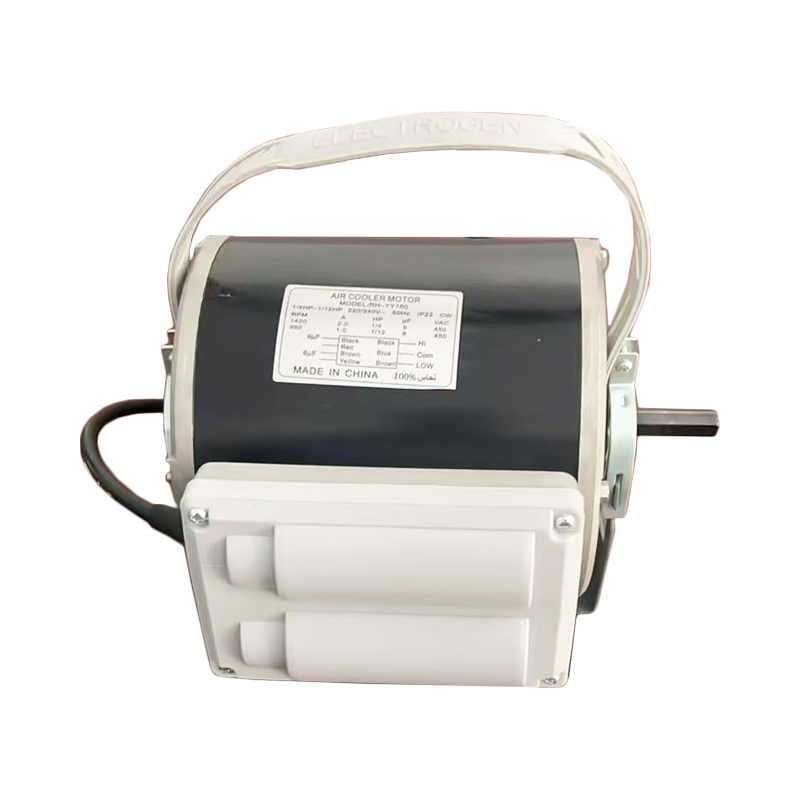
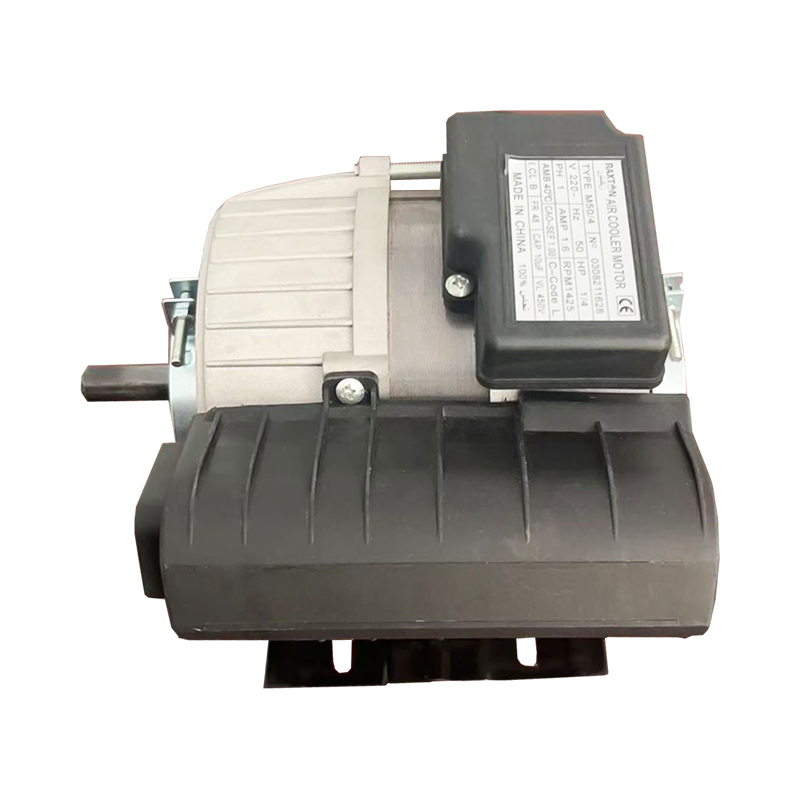
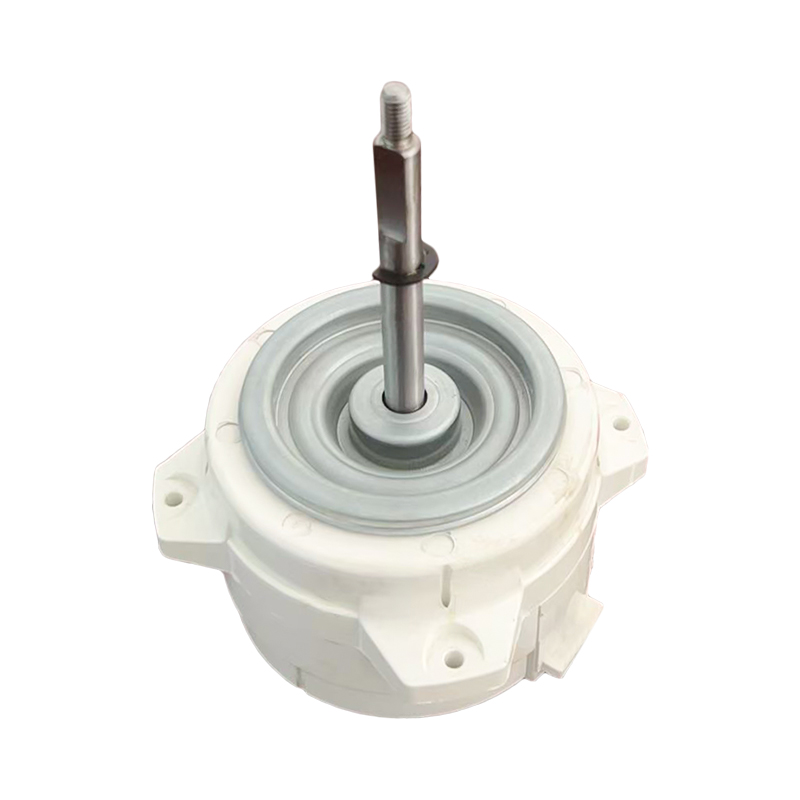
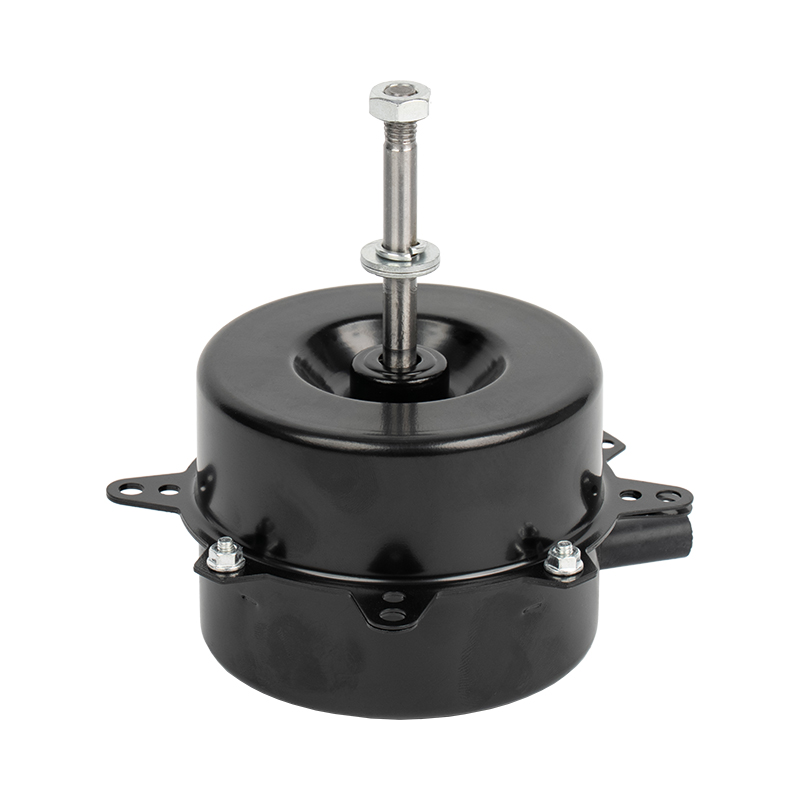
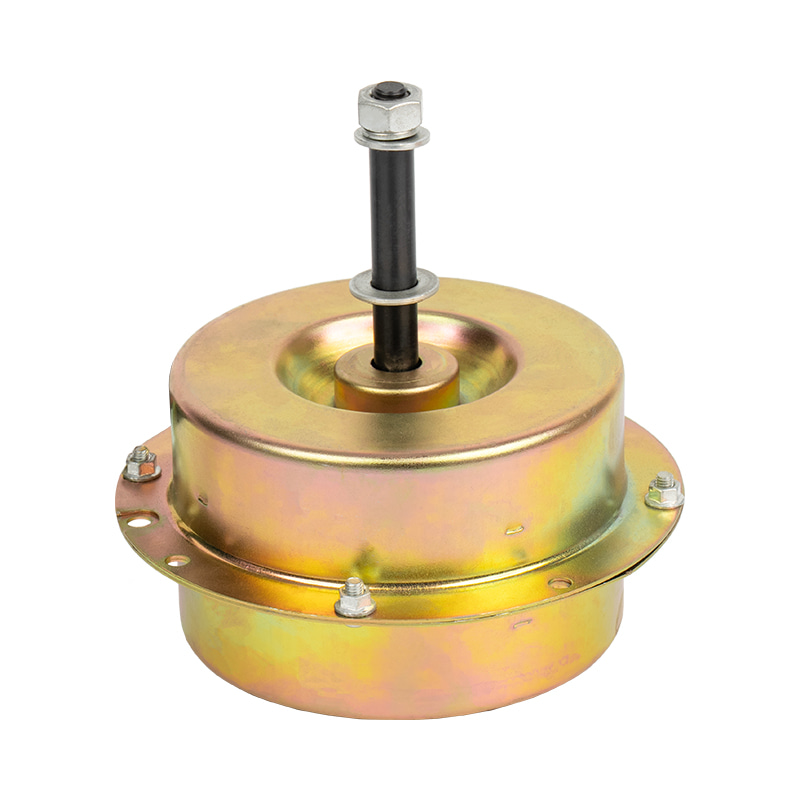
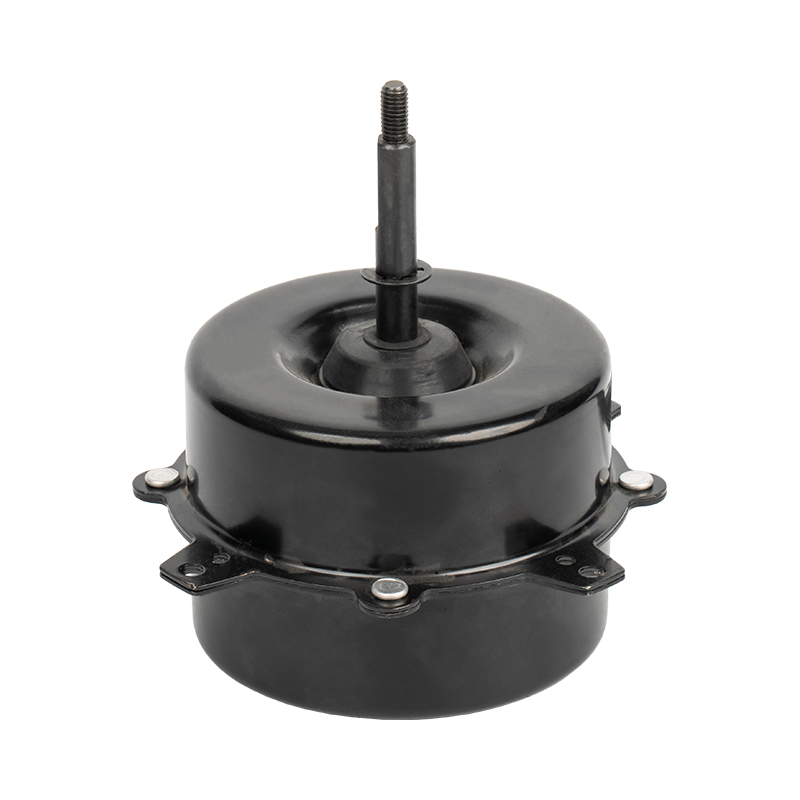
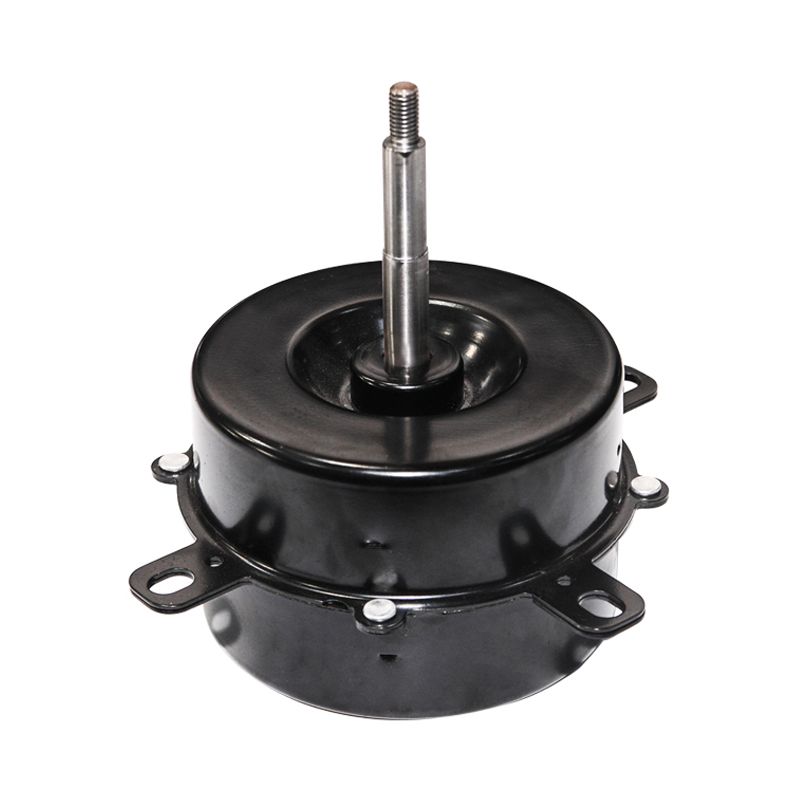
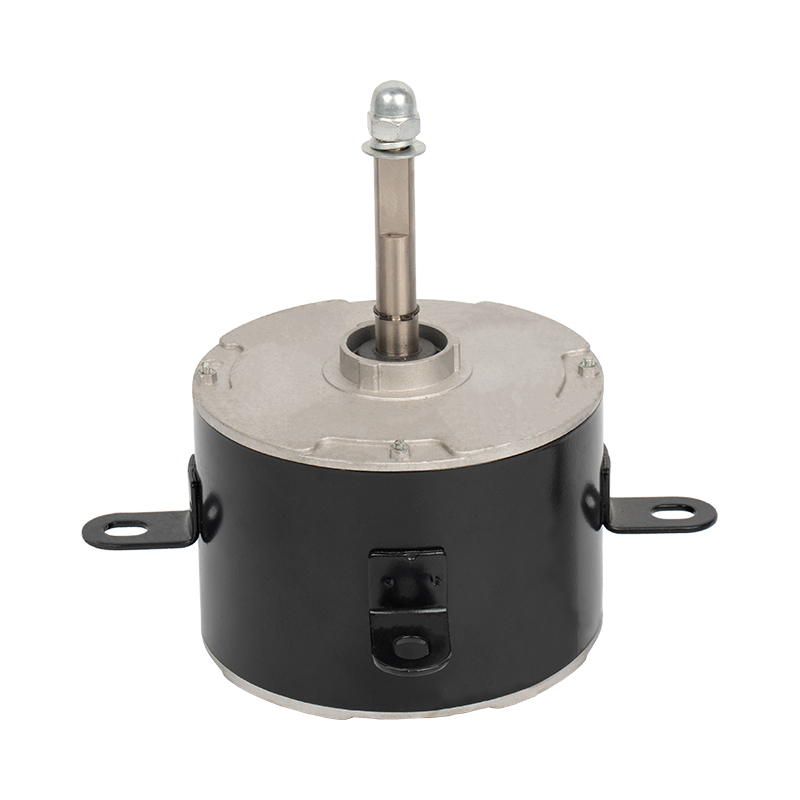
Choosing a replacement that matches the original power class avoids fan imbalance and premature bearing wear. The lineup below covers the most common household and light-commercial power ranges used across evaporative air coolers.
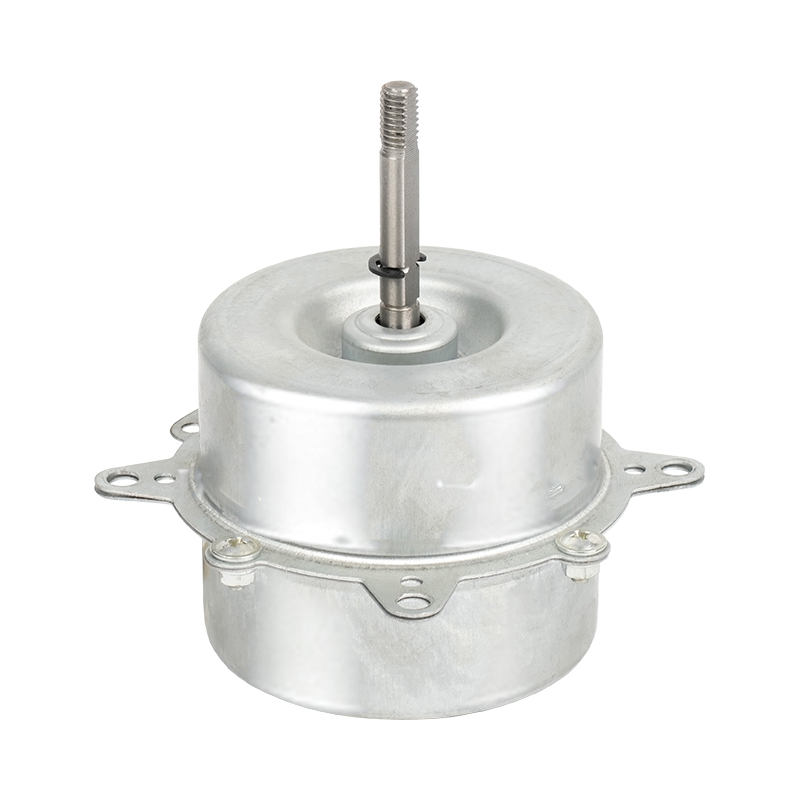
Home Small Air Cooler Motor YYK-25
25W Compact Series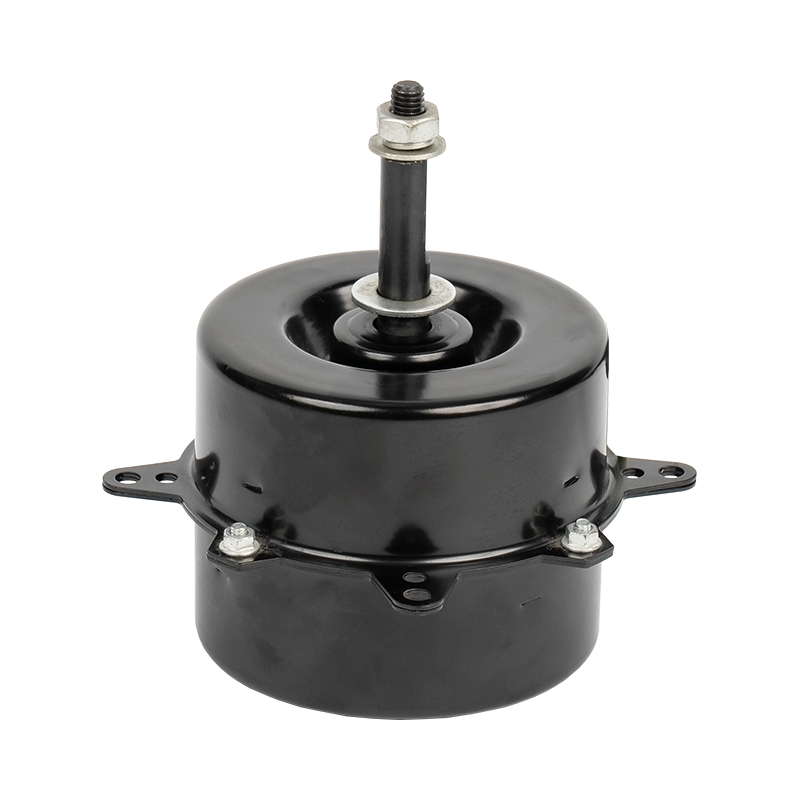
Small Energy-saving Air Cooler Motor YYK-50
50W Energy-Saving Series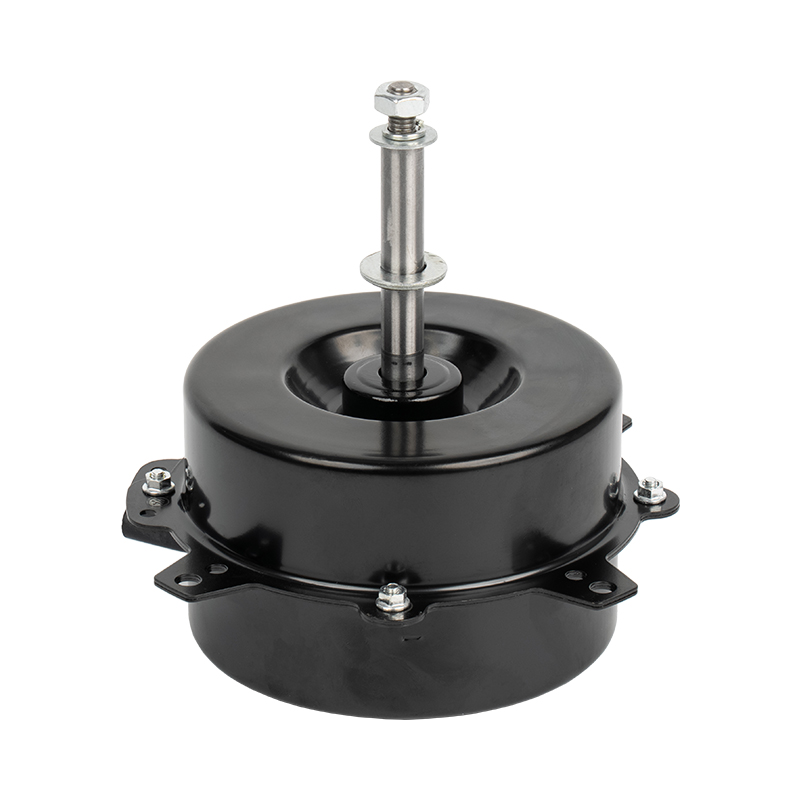
Household and Commercial Air Cooler Motor YYK-120
120W Commercial Series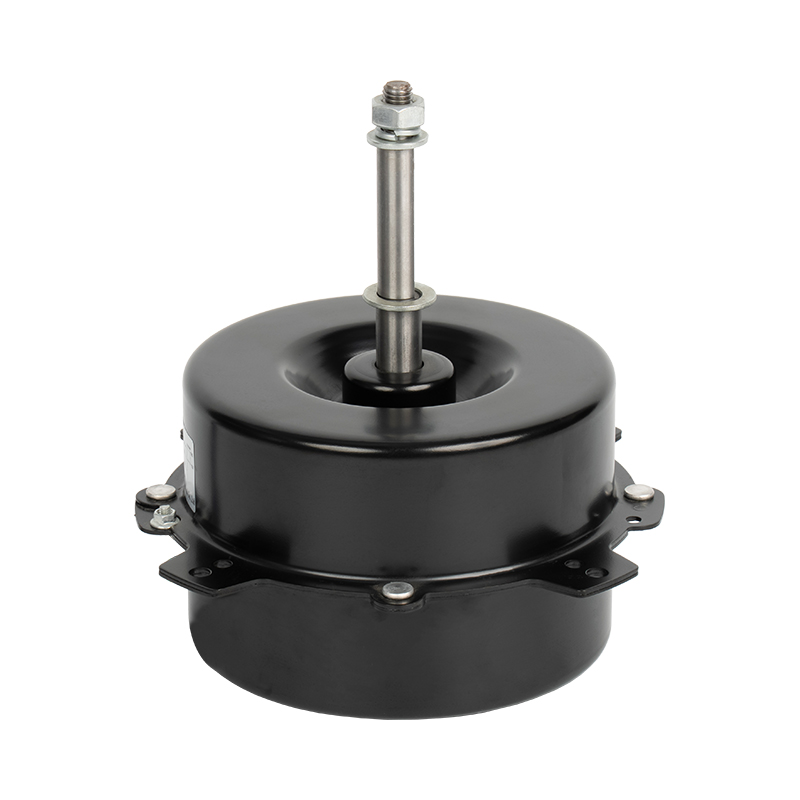
Energy-saving Air Cooler Motor YYK-180
180W Heavy-Duty Series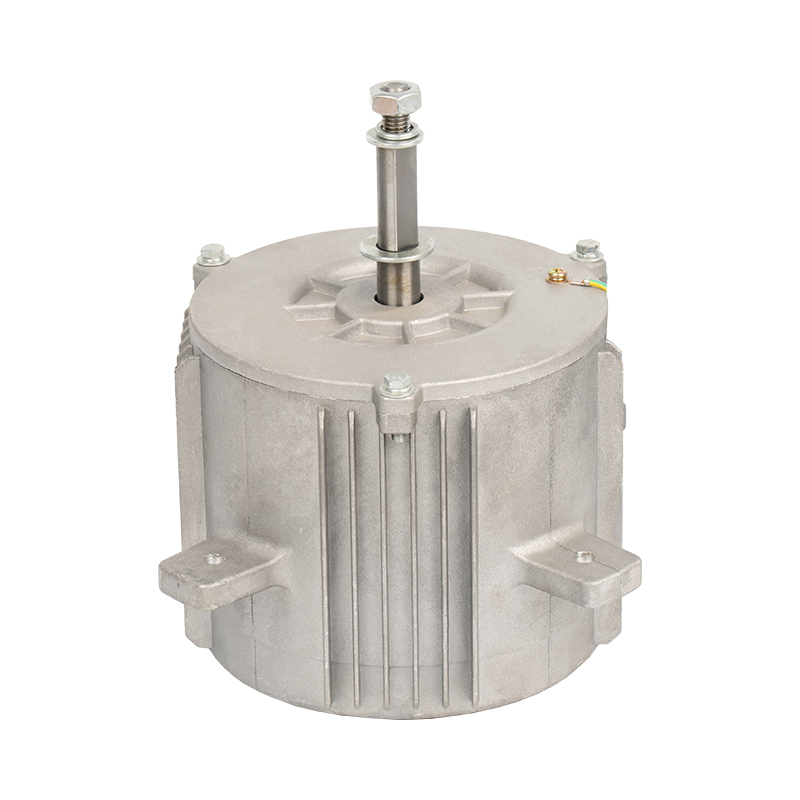
Frequency Conversion Air Cooler Motor YYK-250
250W Frequency Conversion SeriesHow to Choose the Correct Replacement Motor
Matching specifications matters more than matching brand. A motor manufacturer such as a dedicated motor factory will list the same 4 core numbers on every unit, and all 4 need to line up with the original part.
| Specification | Why It Matters | Typical Range |
| Voltage and frequency | Wrong voltage causes immediate winding failure | 110V/60Hz or 220 to 240V/50Hz |
| Power rating (W) | Determines airflow and cooling coverage | 25W to 250W for household to light-commercial units |
| Shaft diameter and length | Must fit the existing fan blade hub | 8mm to 12mm common |
| Mounting bracket layout | Bolt spacing must match the housing | Model-specific, measure before ordering |
| Motor type | Affects noise level and running cost | Shaded pole, PSC, or brushless DC |
Shaded pole motors are the simplest and cheapest, but they run at a fixed 1000 to 2000 RPM and often exceed 60 decibels, with efficiency around 50 percent. PSC (permanent split capacitor) motors trade a small cost increase for smoother, quieter operation, typically 40 to 60 decibels. Brushless DC motors sit at the top of the range, reaching efficiency above 80 percent with adjustable speed, and are increasingly used in the same evaporative cooling systems that also rely on an air cooler water pump to keep the cooling pads saturated.
Mistakes That Shorten a New Motor's Life
Reusing a weak capacitor
Pairing a new motor with an old, drifted-value capacitor causes hard starting and repeated overheating within weeks, not months.
Overtightening the fan nut
Excess torque on the shaft nut can bend the shaft or crack the fan hub, creating vibration that wears bearings faster.
Skipping the bracket alignment check
A motor mounted even 2 to 3mm off-center puts constant side load on the bearings, cutting expected service life significantly.
Ignoring water exposure
Motors near the cooling pad chamber need a properly sealed housing; a missing gasket lets moisture reach the windings within one season.
Maintenance That Extends the New Motor's Lifespan
A replacement motor installed correctly should last 3 to 5 years of seasonal use, or considerably longer in units with a brushless DC design. Three habits make the biggest difference.
- Clean the fan blade and rear grille monthly during the cooling season to prevent dust load on the bearings
- Add a small amount of bearing lubricant every 6 months if the motor has oiling ports, following the same schedule used for related components such as a blower motor or range hood motor
- Inspect the capacitor once a year for bulging, leakage, or a burnt smell before the season starts, and replace it early rather than waiting for a full failure
When to Call a Technician Instead
Most single-phase household air cooler motors are a straightforward do-it-yourself swap. It is worth calling a qualified technician when the unit is a 3-phase industrial cooler, when the wiring includes a built-in speed controller board, or when the motor sits inside a sealed housing shared with a wall breaking machine motor style integrated pump assembly, since these designs are not meant to be opened without factory documentation.


 Home
Home  Tel.: +86-13819807486
 Whatsapp:+86 13819807486
 E-mail:


