


 简体中文
简体中文
 English
  عربى
عربى Content
Replacing a range hood fan motor takes most homeowners 45 to 90 minutes and follows five stages: cut the power, remove the housing and filters, disconnect the old motor and fan wheel, mount a matching replacement motor, then rewire and test it. The part that decides success or failure is not the wrench work, it is buying a motor with the correct shaft size, voltage, mounting pattern and CFM rating for your specific hood model.
A range hood that suddenly goes quiet, hums without spinning, or starts smelling like burnt plastic is almost always telling you the motor has failed rather than the switch or the light. Below is a complete walkthrough covering diagnosis, sourcing the right part, and the physical swap, along with the data points that separate a lasting repair from a repeat failure three months later.
Signs Your Range Hood Fan Motor Has Failed
Not every weak-suction hood needs a new motor. Grease-caked filters or a blocked duct can mimic motor failure, so it is worth ruling those out first. The table below separates true motor symptoms from problems that have a cheaper fix.
| Symptom | Likely Cause | Recommended Action |
|---|---|---|
| Fan does not turn, faint humming sound | Seized bearing or burnt winding | Replace the motor |
| Suction is weak on every speed setting | Worn brushes or degraded capacitor | Replace the motor |
| Burning smell after 10 to 15 minutes of use | Winding insulation breaking down from overheating | Stop use immediately, replace the motor |
| Loud rattling that stops when the fan wheel is removed | Bent or oil-clogged fan wheel, not the motor | Clean or replace only the fan wheel |
| No power at all, no sound, no light | Tripped breaker or failed switch | Check the circuit before opening the hood |
| Speed fluctuates strong then weak while cooking | Speed deviation beyond plus or minus 5 percent, aging motor | Replace the motor |
Tools and Materials You Will Need
Gather everything before opening the housing, since most range hood motors sit in a tight cavity and repeated trips for tools slow the job down considerably.
Step-by-Step Motor Replacement Process
Cut Power and Confirm It Is Off
Switch off the breaker feeding the range hood, then test the wiring at the junction box with a voltage tester before touching anything. Range hood motors sit close to the light circuit, so both need to be dead, not just the fan switch.
Remove Filters and Access the Housing
Pull the grease filters, then unscrew the bottom or side panel that covers the motor compartment. Most residential hoods use four to six screws here. Photograph the wiring before disconnecting anything, this saves guesswork later.
Detach the Fan Wheel and Old Motor
Loosen the set screw holding the fan wheel to the motor shaft and slide the wheel off. Disconnect the wire connectors, then remove the mounting screws or bracket clips holding the motor in place. Note the shaft length and mounting hole spacing, these two measurements matter more than brand matching.
Install and Wire the Replacement Motor
Seat the new motor on the bracket, secure the mounting screws, then reattach the fan wheel and tighten the set screw evenly so the wheel spins true with no wobble. Reconnect the wires exactly as photographed, matching each connector by color or label.
Test Before Closing the Housing
Restore power and run the fan on every speed setting with the panel still open. Listen for rubbing, check that the wheel spins concentrically, then reinstall the housing panel and filters only after confirming smooth operation for a few minutes.
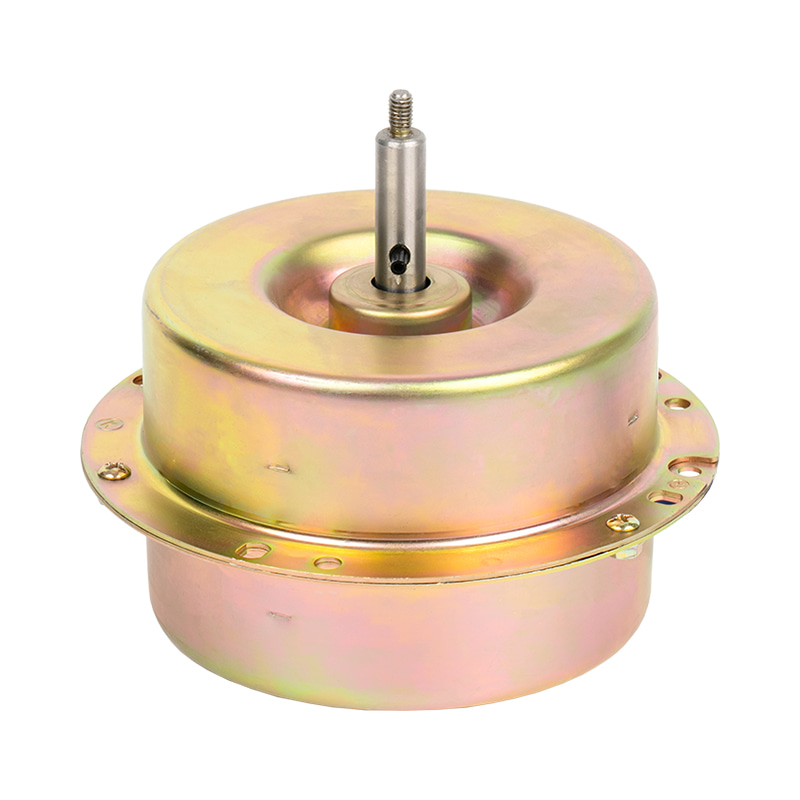
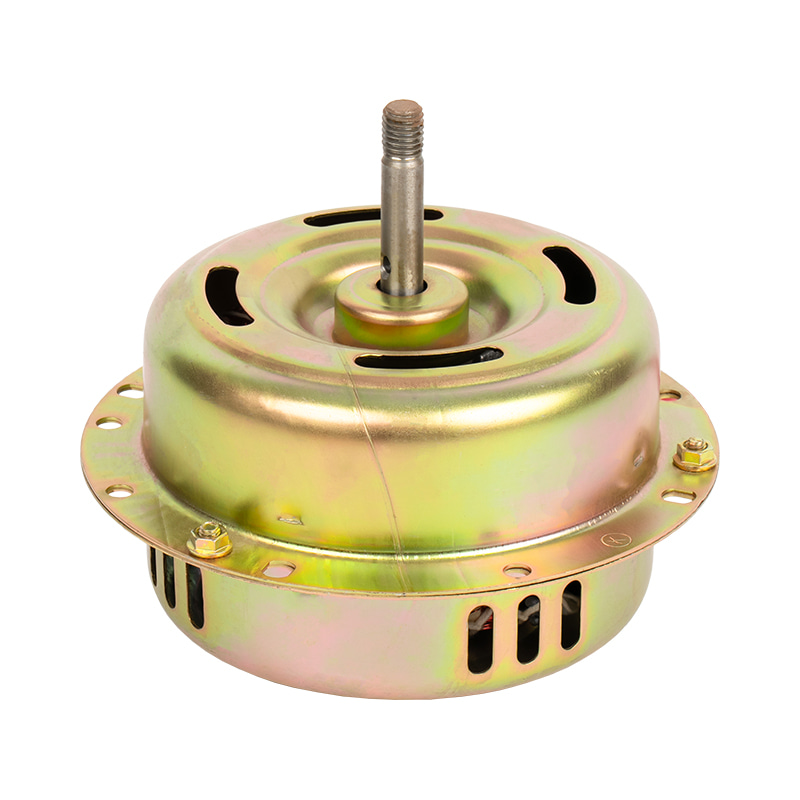
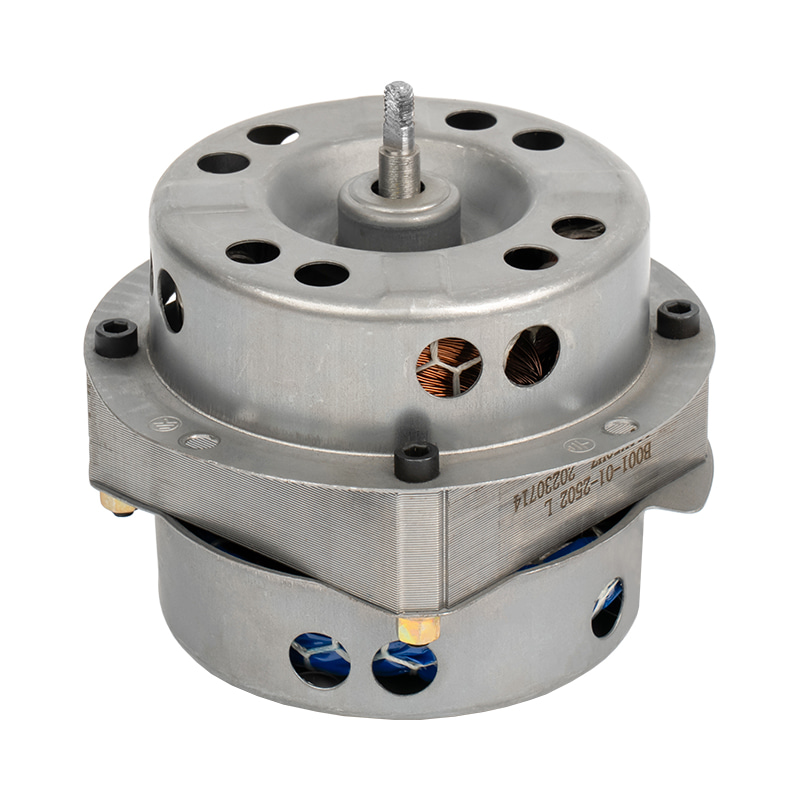
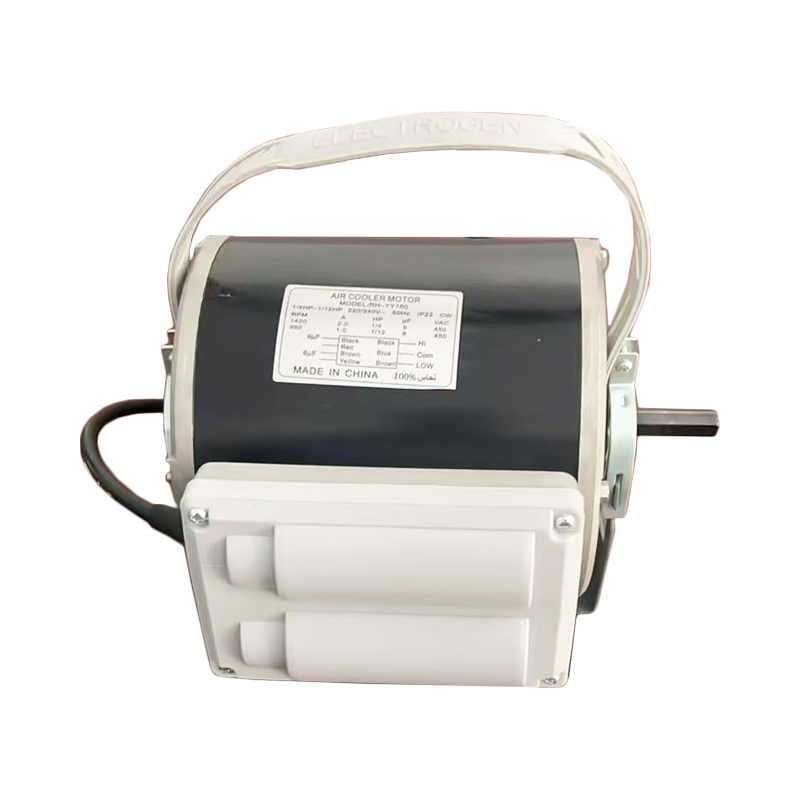
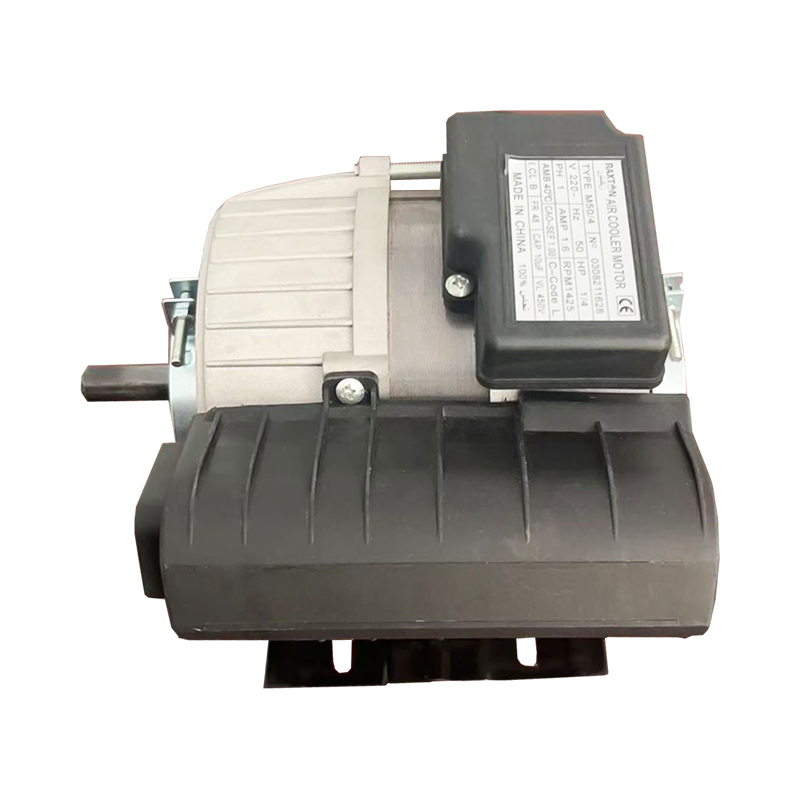
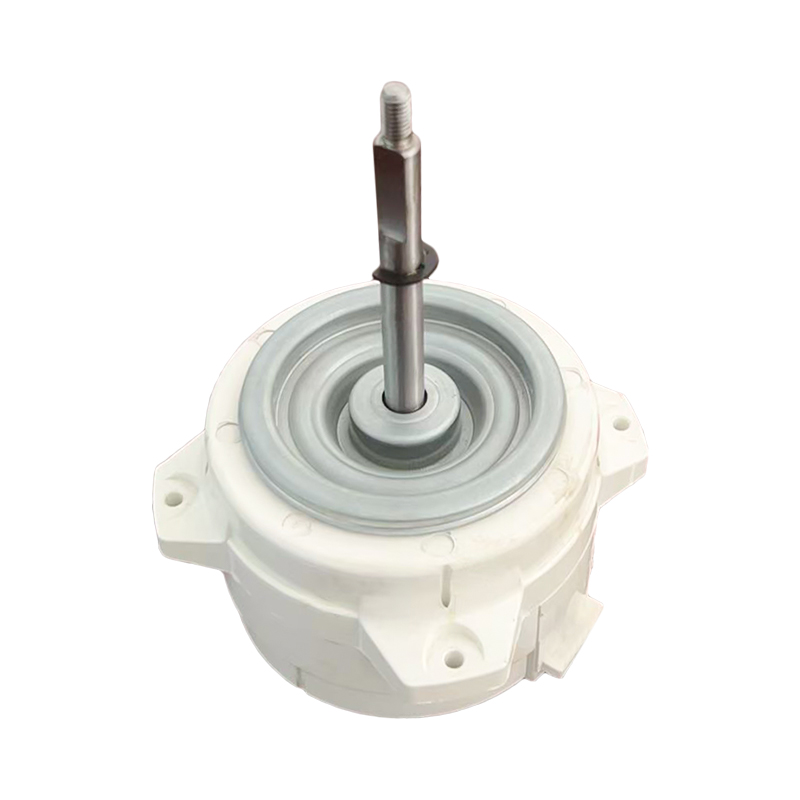
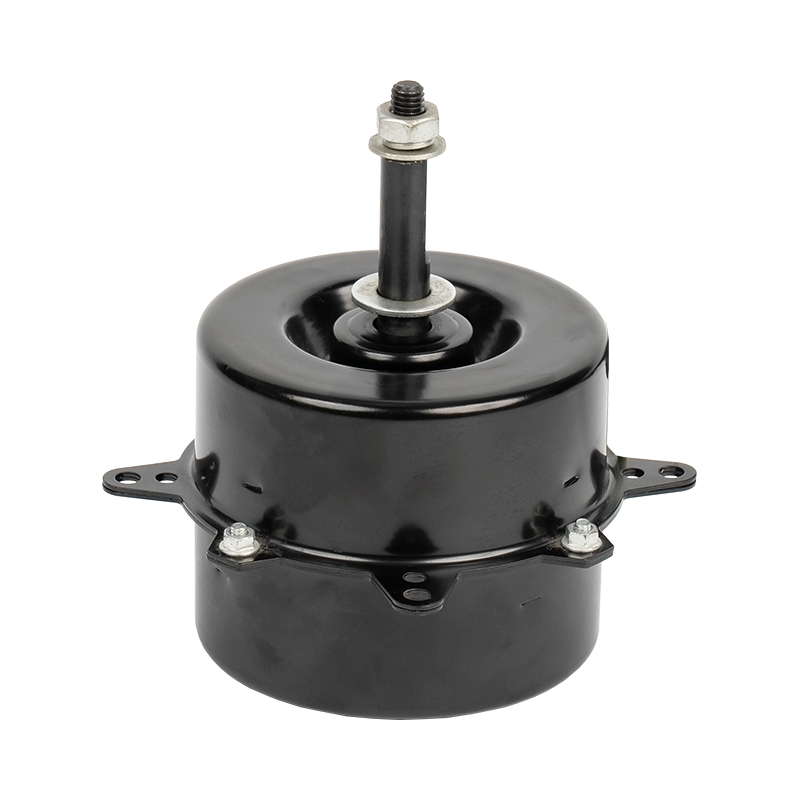
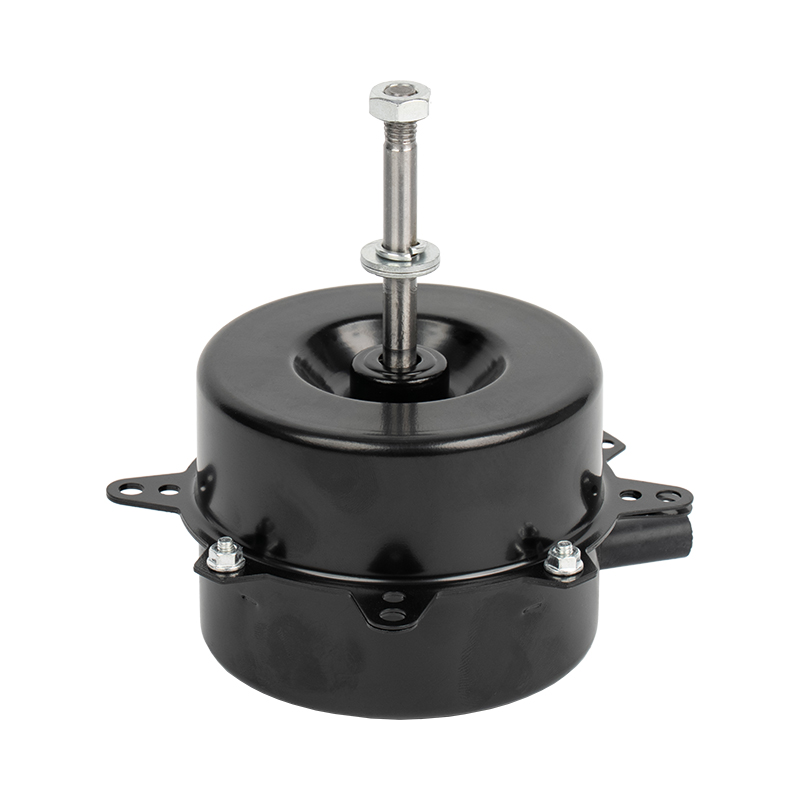
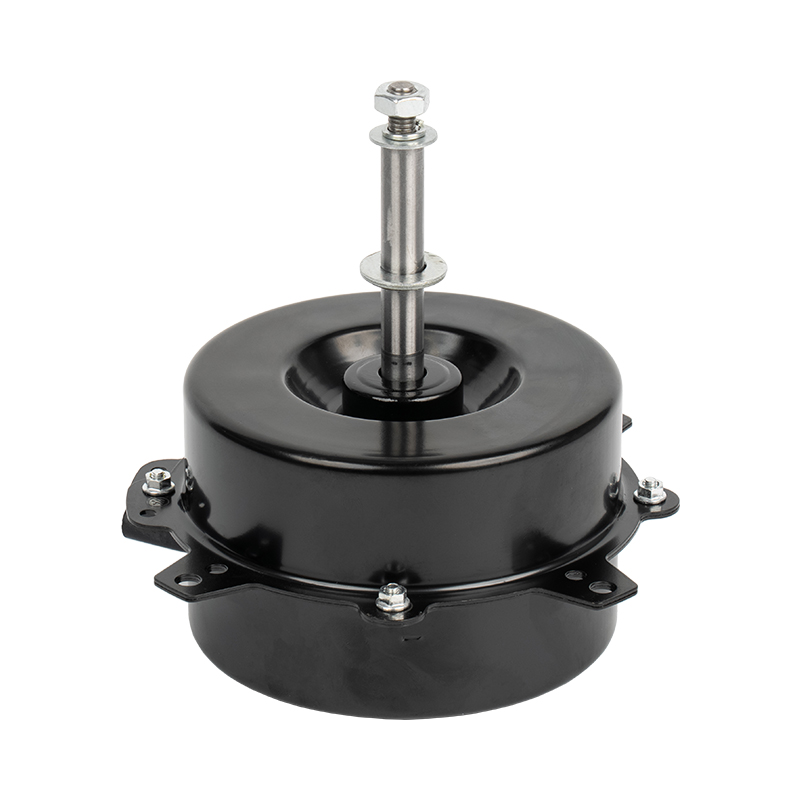
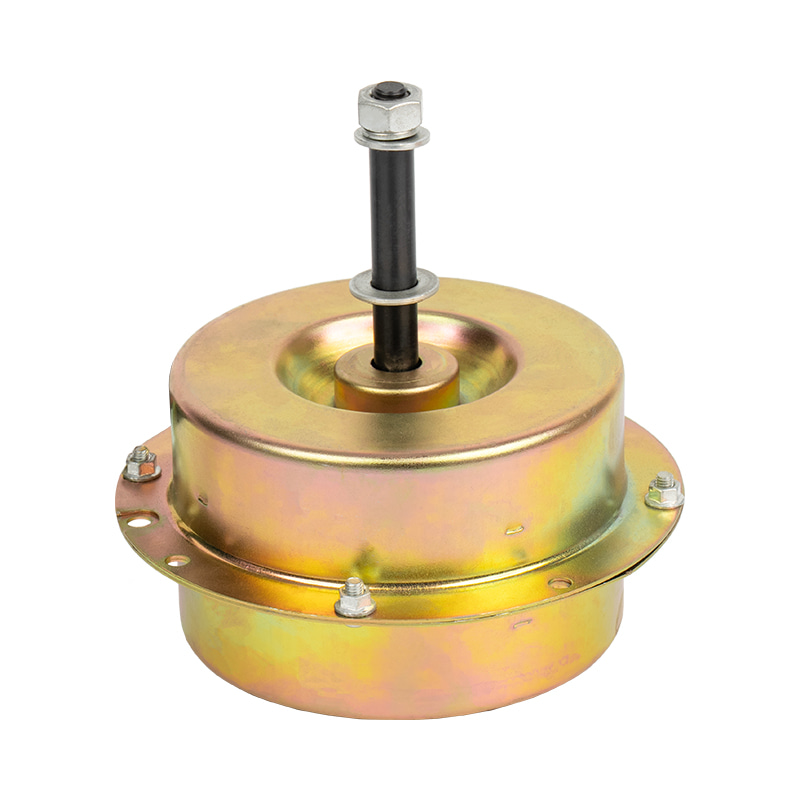
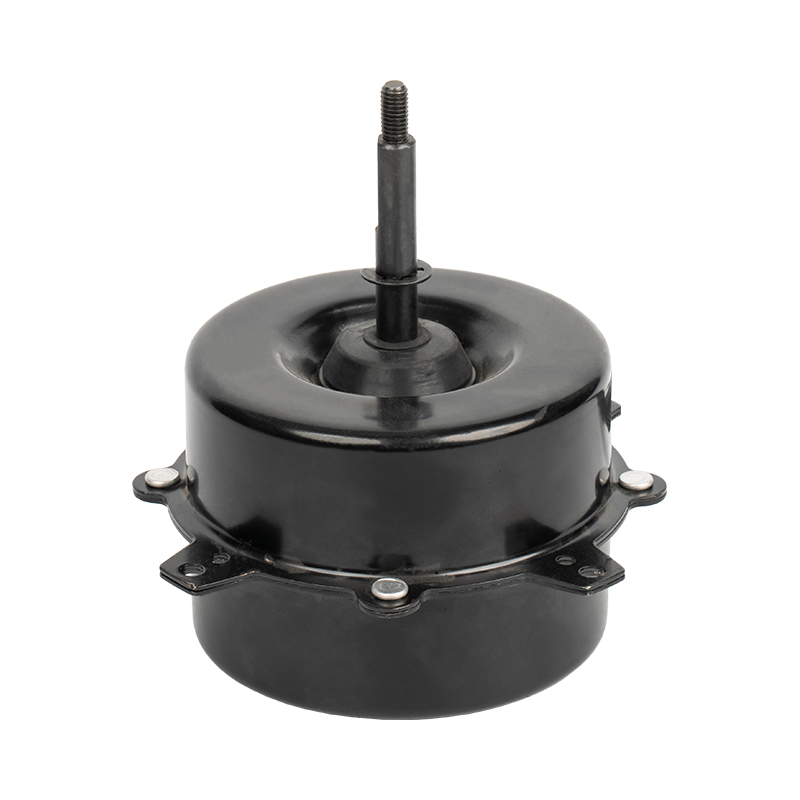
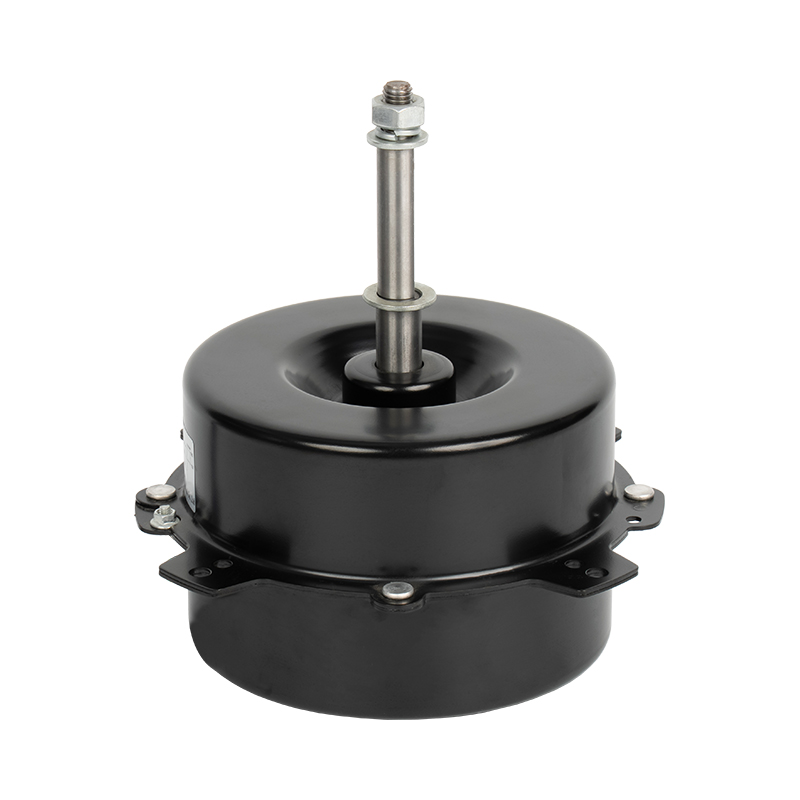
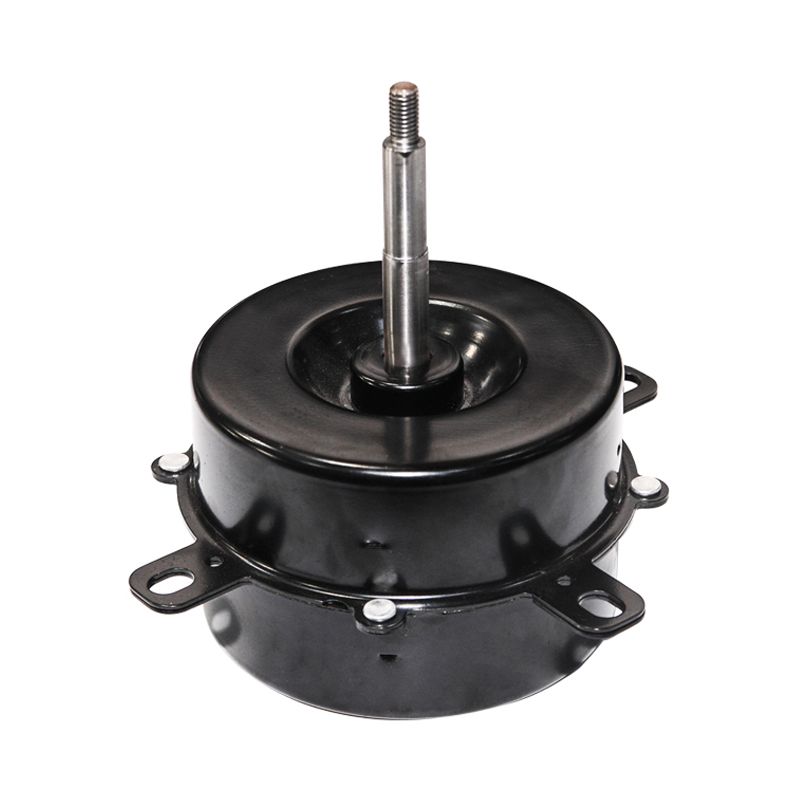
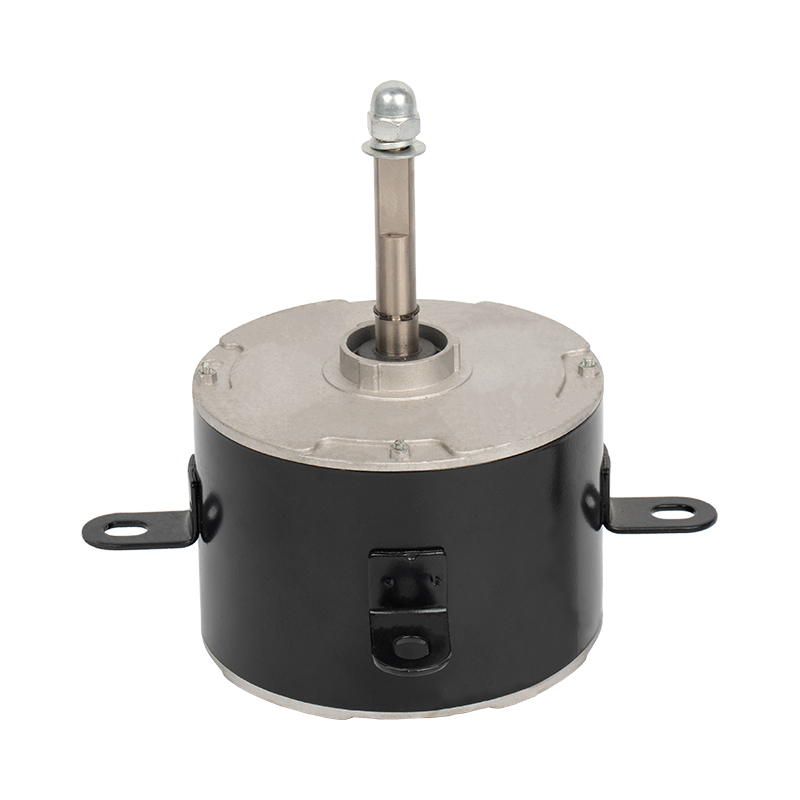
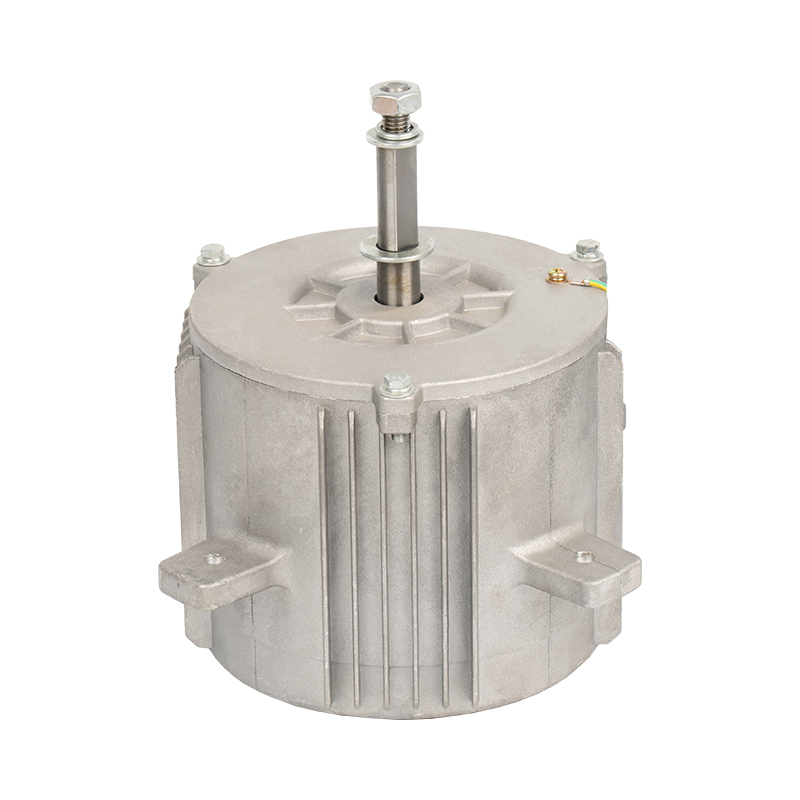
The showcase below lists production-ready motor units and companion drive components that share the same mounting logic described above, useful as a visual reference when matching shaft type and housing size.
Motor Product Series
A cross-section of range hood, blower, and air cooler motor units built for OEM and ODM kitchen and ventilation applications, engineered for stable output and long duty cycles.
How to Choose the Right Replacement Motor
Matching specifications matters more than matching brand names, since most range hood motors are built by a small number of contract manufacturers. Use the reference table below when comparing part listings.
| Specification | AC Shaded Pole Motor | DC Brushless Motor |
|---|---|---|
| Typical speed range | 1,400 to 2,800 rpm, fixed steps | Ramps to over 2,000 rpm within 1 to 2 seconds |
| Noise level | Moderate, structure-dependent | As low as 55 decibels |
| Static pressure needed for long or bent ducting | Adequate for short, straight runs | Handles 300 Pa or higher for runs over 3 meters or with multiple bends |
| Relative cost | Lower | Roughly 30 percent higher due to the control circuit |
| Best fit | Small kitchens, light daily cooking | Open kitchens, wok cooking, frequent stir-frying |
Before ordering, measure the motor shaft diameter and length, the mounting hole spacing, the housing depth, and check the wattage stamped on the old motor's label. A motor that is even a few millimeters longer than the original often will not clear the housing wall, which is the single most common reason replacement parts get returned.
Common Installation Mistakes to Avoid
Watch for these before closing the housing
- Skipping the concentricity check, an off-center fan wheel causes vibration that shortens the new motor's bearing life within weeks.
- Overtightening the set screw onto a shaft flat, which can crack the fan wheel hub on plastic wheels.
- Reconnecting wires without matching gauge and connector type, loose connections are a common cause of early failure and localized overheating.
- Choosing a motor by wattage alone while ignoring airflow rating and static pressure, resulting in weak suction even though the fan spins fine.
- Forgetting to reseal or reseat the housing gasket, which lets grease-laden air bypass the filter and coat the new motor early.
Post-Replacement Testing and Maintenance
Run the hood at every speed for the first week and note whether the temperature rise stays reasonable, a healthy motor should feel warm, not hot, after an hour of continuous use, with a surface-to-room temperature difference under about 70K. Add a drop of light machine oil to the bearing port every six months if your model has one, and wipe the fan wheel blades with a mild degreaser whenever grease buildup becomes visible, since an unbalanced wheel is one of the fastest ways to wear out a brand-new motor.
If your model number is discontinued or the local parts store cannot match your specifications, working directly with a motor factory that produces the original component gives you access to exact shaft, wattage, and mounting variants rather than a generic aftermarket substitute. Manufacturers that build range hood motors typically run the same production lines for related categories such as blower motors, air conditioner motors, air cooler motors, industrial air purifier motors, tower fan motors, washing machine motors, air cooler water pumps, and wall breaking machine motors, which means custom shaft lengths or voltage variants can often be produced on request rather than settling for a near-fit part.




 Home
Home  Tel.: +86-13819807486
 Whatsapp:+86 13819807486
 E-mail:


