


 简体中文
简体中文
 English
  عربى
عربى Content
A motor is a device that converts electrical energy into mechanical motion, and in nearly every case that motion is rotation. The same definition covers the 2 W vibration motor in a phone and the 300 kW drive on an industrial compressor, and it is the definition most engineers work from.
For anyone specifying or buying a motor, however, the definition is only the starting point. Two motors of identical frame size can differ by 15 dB in noise, by 20 percentage points in efficiency, and by a factor of three in service life. Those gaps come from the same handful of parts, arranged and controlled in different ways, which is why the practical answer is less about physics and more about matching torque, speed, noise, and durability to one specific load.
What a Motor Is Made Of
Every electric motor contains the same basic elements: a stator that creates the magnetic field, a rotor that turns, a shaft that carries torque out to the load, bearings that let the shaft spin with minimal friction, and windings or permanent magnets that interact with the field. Small appliance motors usually put the windings on the stator and the magnets on the rotor; large industrial motors often do the opposite. The arrangement changes the cost and the drive electronics, not the principle.
| Part | Function | What goes wrong when it is underspecified |
|---|---|---|
| Stator | Creates the magnetic field that drives the rotor | Thin insulation and hot spots shorten service life |
| Rotor | Turns and delivers torque | Poor balance causes vibration and bearing wear |
| Shaft | Transmits torque to the fan, pump, or drum | Excessive runout produces wobble and noise |
| Bearings | Support and locate the shaft with minimal friction | Cheap bearings are the most common source of noise complaints |
| Windings | Carry current and set resistance, losses, and temperature rise | Less copper means more heat and a lower efficiency class |
| Commutator, brushes, or drive board | Switch current at the correct moment | Brush wear, electromagnetic interference, driver failure |
Motors deserve this level of attention because of sheer volume. Motor-driven systems are estimated to consume roughly 45% of global electricity, a figure repeated across international energy-efficiency studies. In an appliance, that share appears on the energy label; in a purchasing department, it appears as efficiency class, copper content, and warranty exposure.
- Motor-driven systems: about 45%
- All other electricity uses: about 55%
How a Motor Turns Current Into Torque
Strip away the housing and the operating principle is the Lorentz force: a current-carrying conductor in a magnetic field experiences a force at right angles to both the current and the field. Bend that conductor into a coil and the forces on opposite sides produce torque around the shaft. Reverse the current at the right moment, mechanically with a commutator and brushes or electronically with a driver board, and the rotor keeps turning.
Two characteristics decide whether a motor suits an application. The first is the torque-speed curve. An induction motor holds close to its rated torque up to its rated slip and then falls away sharply, which suits pumps and fans that need less torque at high speed. A brushless DC motor holds near-constant torque up to its base speed and then runs in a constant-power region, which suits loads that need strong starting effort and controlled acceleration.
The second is thermal behaviour. Windings carry an insulation class and a permitted temperature rise. A motor running 15 °C above its rated rise can pass a one-hour bench test and still fail inside two years, so the endurance test matters more than the catalogue drawing.
- Induction motor (AC mains)
- Brushless DC motor with driver
The Main Types of Motor and Where Each One Fits
The table below compares the motor families most often specified for household appliances and light industrial equipment. Efficiency ranges are typical values for the 10 W to 3 kW band, not guarantees; the real figure depends on winding design, load profile, and drive settings.
| Type | Supply | Typical efficiency | Strengths | Limits | Common use |
|---|---|---|---|---|---|
| Brushed DC | DC | 70-80% | Simple speed control, low cost | Brush wear, interference, limited life | Small tools, low-cost devices |
| Brushless DC | DC plus driver | 85-90% | Long life, quiet, precise speed | Needs electronics, higher unit cost | Fans, pumps, washing machines |
| Induction | AC mains | 85-92% | Robust, economical at higher power | Speed tied to supply frequency | Compressors, blowers |
| Synchronous / EC | AC plus inverter | 88-93% | High efficiency, exact speed | Higher drive cost | HVAC, premium appliances |
| Stepper | Pulsed DC | 60-80% | Precise positioning without feedback | Torque falls quickly with speed | Printers, valves, actuators |
| Universal | AC or DC | 60-75% | Compact, high speed | Brush wear, higher noise | Mixers, blenders, hand tools |
Efficiency alone rarely decides a specification. A range hood motor that is three points more efficient but four decibels louder will generate more complaints than savings. The starting point is normally the load: a tower fan needs quiet operation at low speed, a wall-breaking machine needs high starting torque and short-time overload capability, and an industrial air purifier motor needs continuous duty at a fixed speed with long bearing life.
Motors Inside the Appliances You Already Own
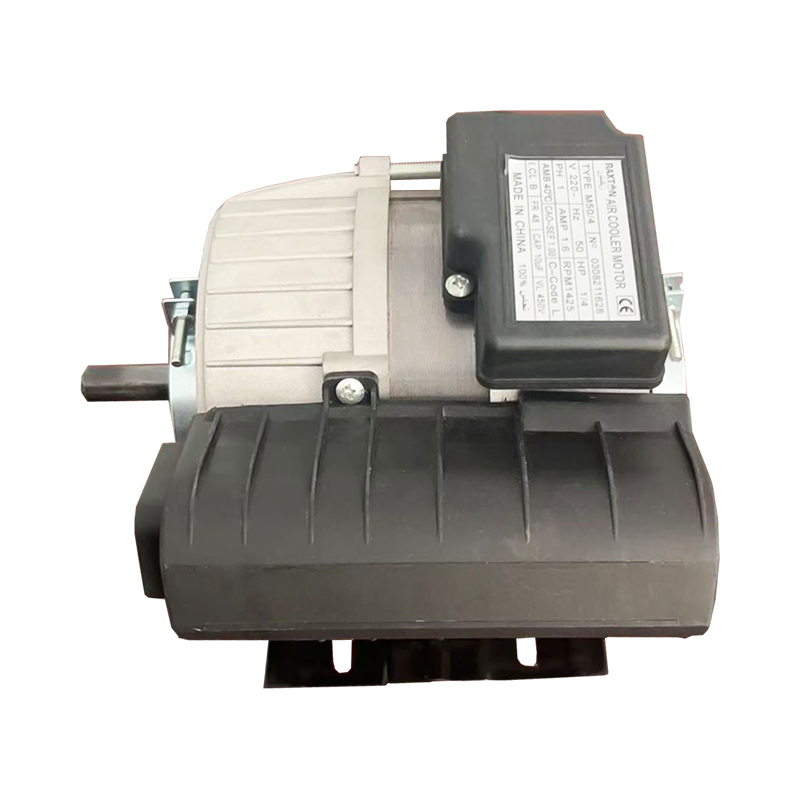
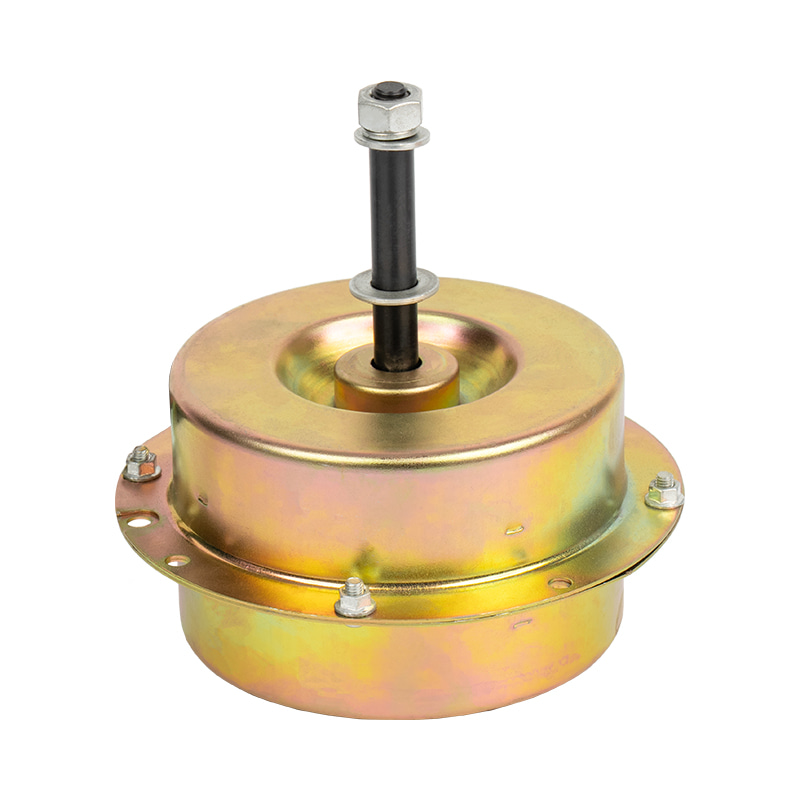
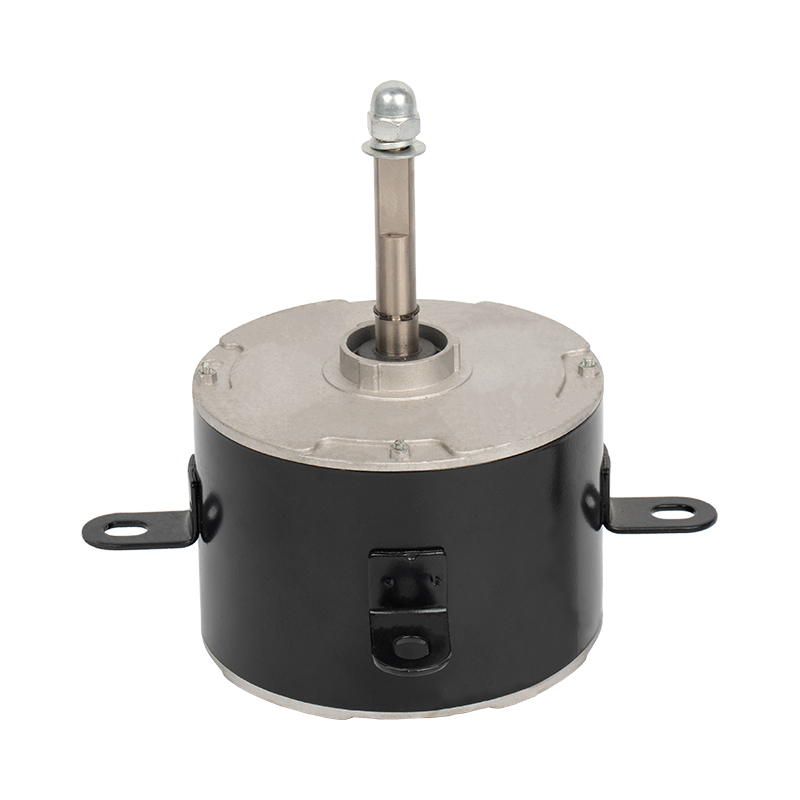
Air cooler motors run for hours at a time, often at low speed, so bearing quality and magnetic noise decide the outcome more than peak torque. A quietly running YYK-series motor is judged by whether the customer hears it in a bedroom, not by its nameplate rating.
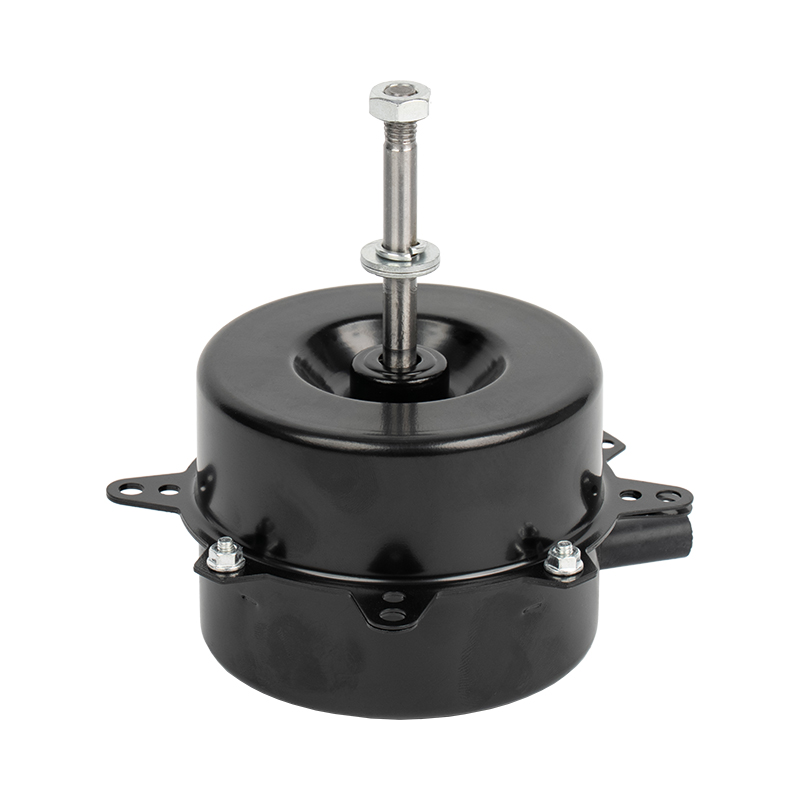 Quiet Running Air Cooler Motor YYK-50Air Cooler Motor YYK-50 Model BView Product →
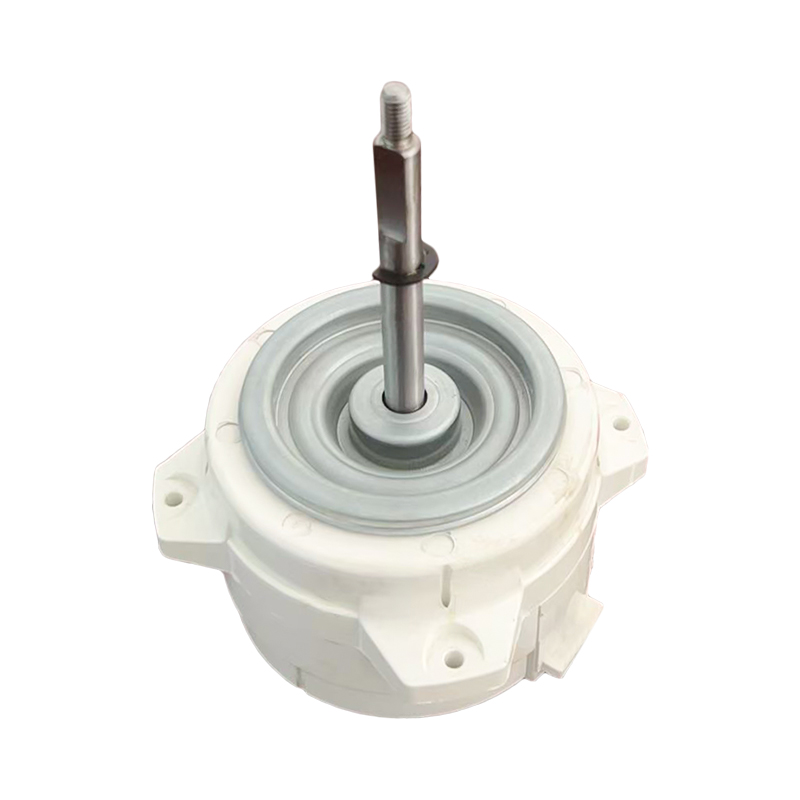
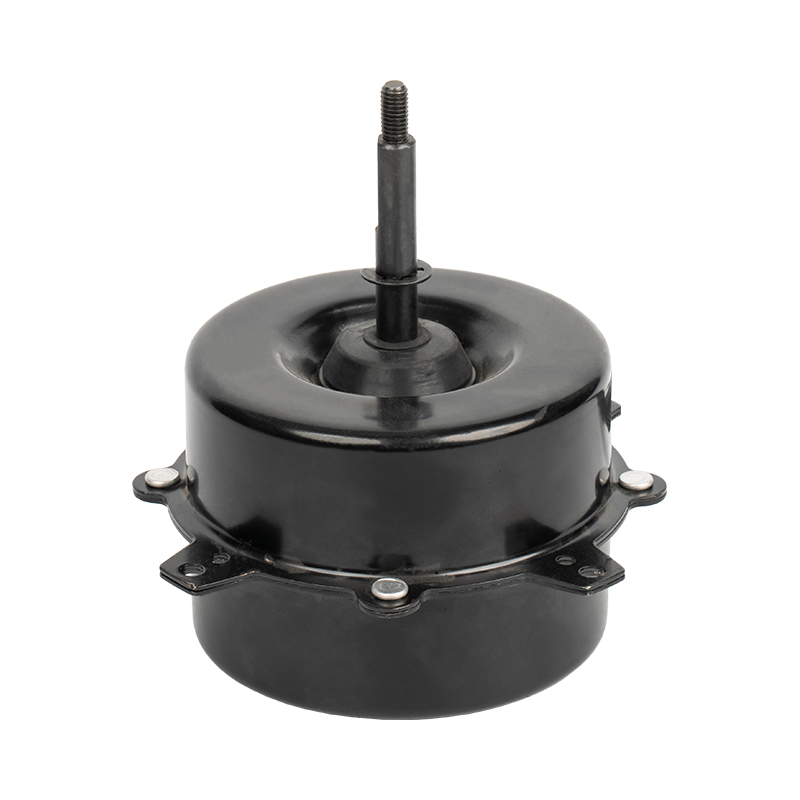
Air conditioner motors face the opposite problem: they start against refrigerant pressure and then run quietly for years. A 1P/1.5P unit typically uses a motor of a few tens of watts with a defined starting torque, and the difference between an adequate motor and a marginal one shows up as a locked-rotor failure in the third summer rather than on a datasheet.
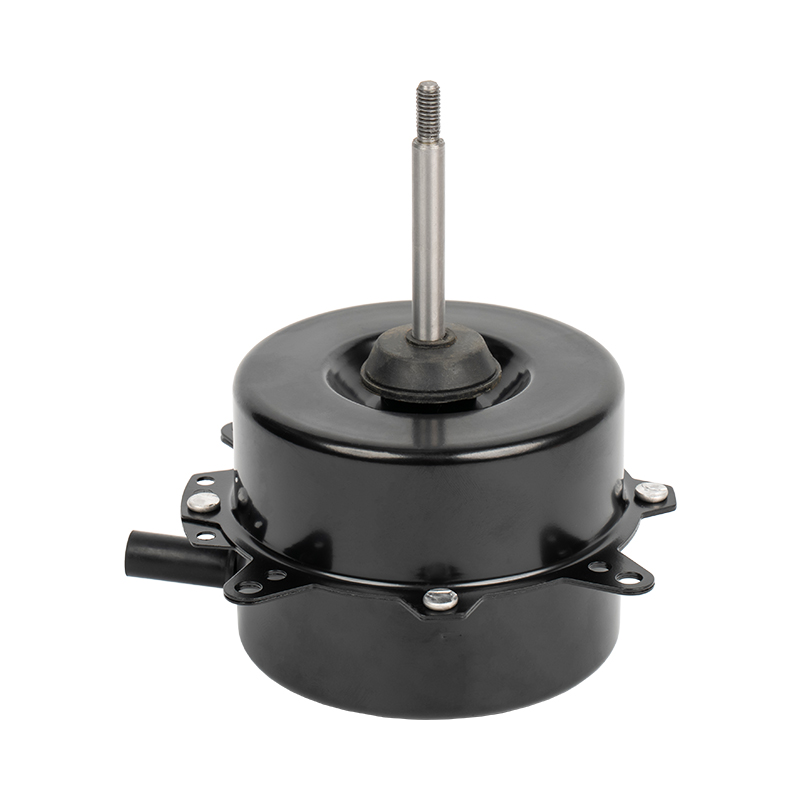 Energy-saving and environmentally friendly 1P-1.5P Air conditioner motor YYK-60Air Conditioner Motor YYK-50View Product →
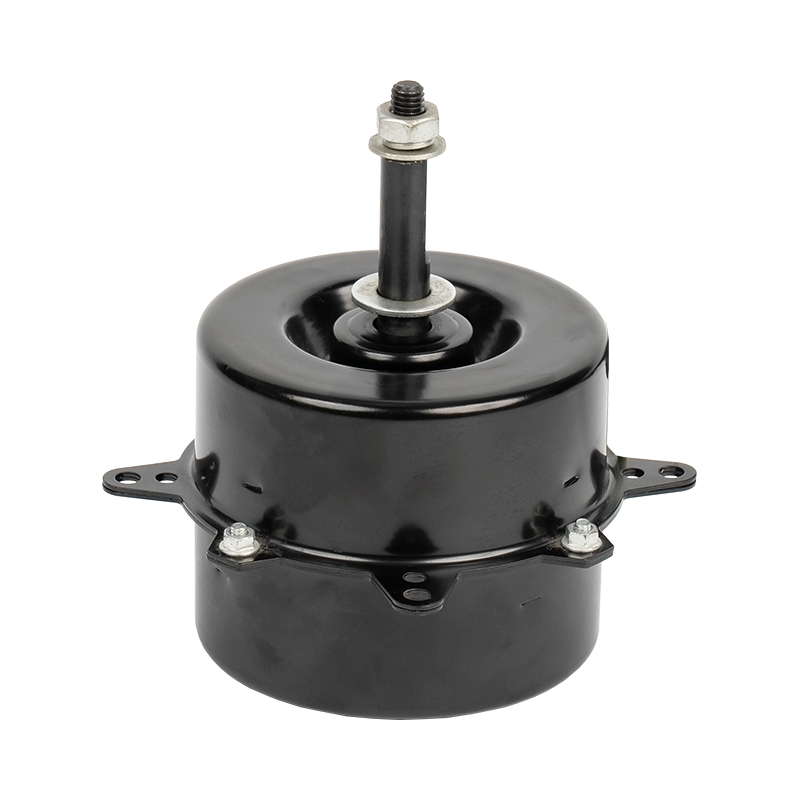
Washing machine motors combine high starting torque, precise low-speed control, and a wet, vibrating environment. Direct-drive inverter designs remove the belt and pulley, which cuts mechanical wear and noise but places higher demands on the drive electronics and on the motor's thermal design during the spin cycle.
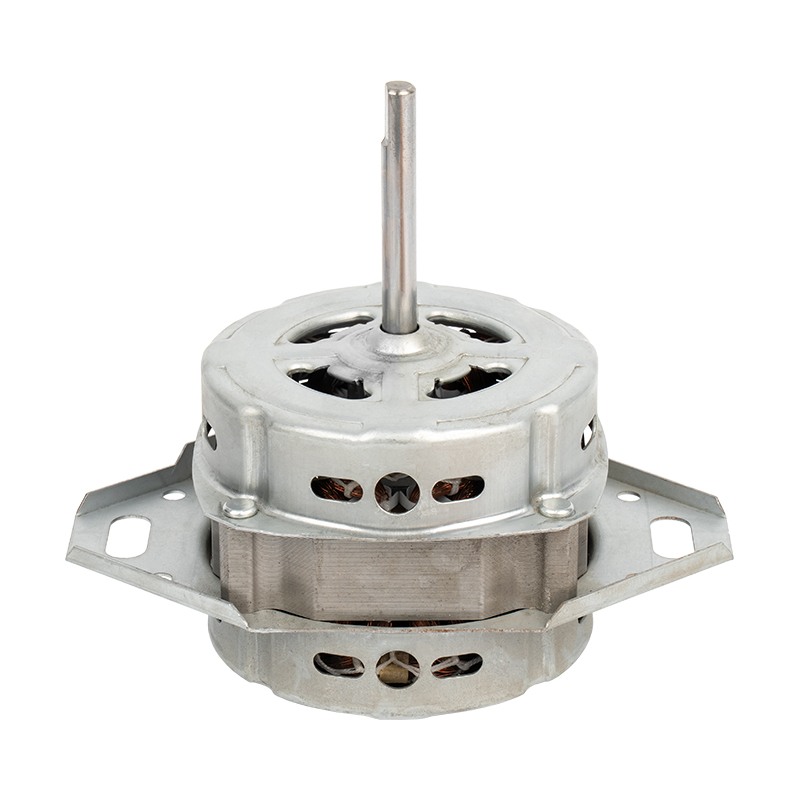 Direct Drive inverter Washing Machine MotorThe Direct Drive inverter Washing Machine Motor, which we professionally develop and produce, adopts advanced direct drive technology, eliminating the traditional belt...View Product →
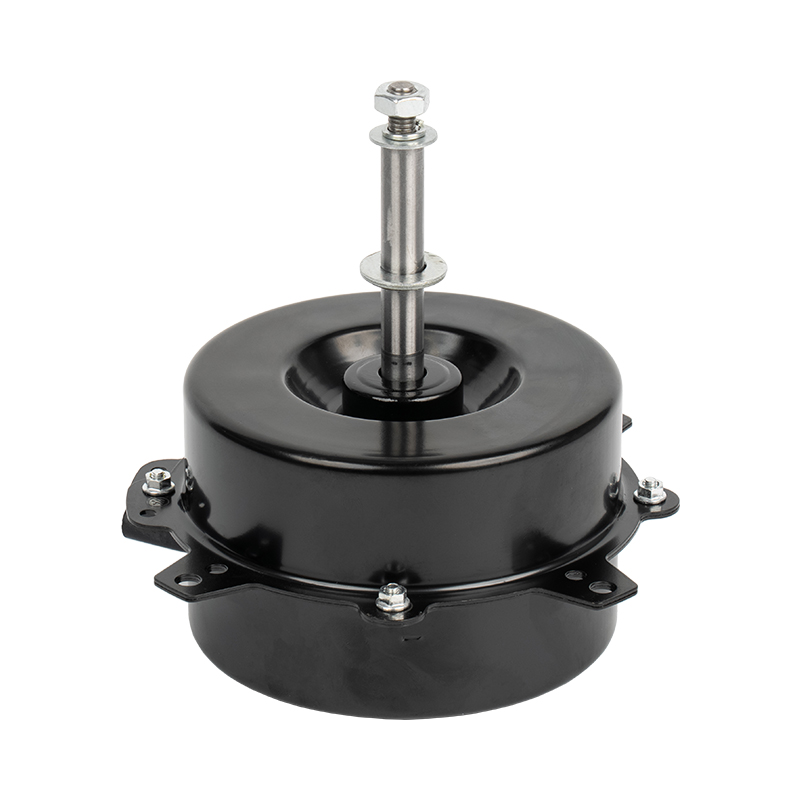
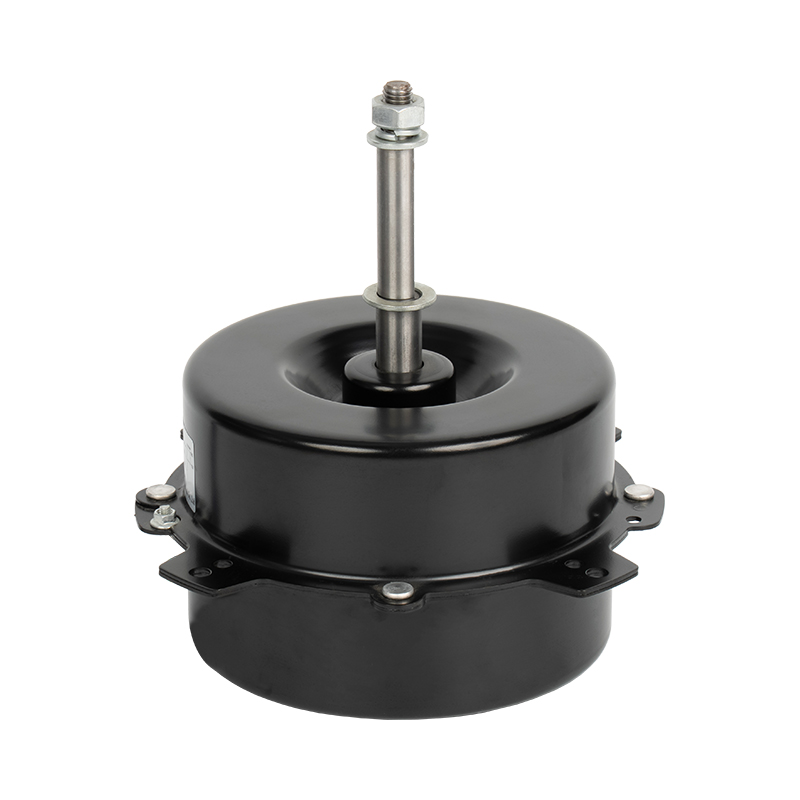
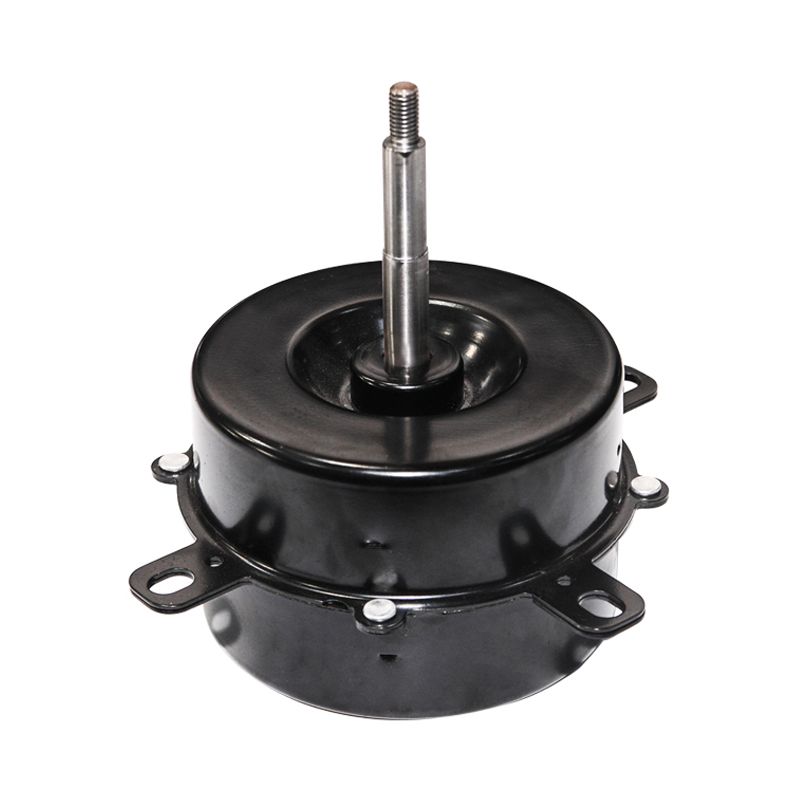
Other appliances follow the same pattern. Range hood motors trade airflow against noise, tower fan motors need stable oscillation, blower motors in dryers and industrial units are sized for continuous duty, and air purifier motors must hold a fixed speed for thousands of hours.
How to Specify a Motor: What Buyers Check Before Signing
Most motor failures in the field trace back to a specification that was never written down. The checklist below covers the parameters worth confirming in writing with a supplier, together with the test method for each.
- Torque at the actual operating speed, not the peak torque printed on a datasheet.
- Duty cycle: continuous, intermittent, or short-time overload.
- Noise level in dB(A), with the measurement distance and mounting method stated.
- Input power and efficiency measured at the intended operating point.
- Voltage and frequency tolerance, typically plus or minus 10% for mains-powered motors.
- Rated life in hours, plus the conditions used to claim it: load, ambient temperature, humidity.
- Environment requirements: dust, moisture, and the required IP rating.
- Sample and batch consistency, verified with a 100-hour endurance run on units from different production dates.
Two commercial points matter as much as the technical list. Ask for the torque-speed curve rather than a single rated value, because a motor that meets its rating at one point may sit below the load requirement at the speed where the appliance actually runs. And treat the cheapest quotation with caution: the price gap is usually taken out of copper, bearing grade, or insulation, and those are precisely the parts that determine field failure rates.
Buyers who need background on one specific family can start with this overview of blower motor fundamentals, and anyone with a defined load can send us the specification for a matched sample.
Frequently Asked Questions
Is a motor the same as an engine?
In everyday speech the two words overlap, but in engineering they describe different energy sources. A motor runs on electricity and converts it directly into motion; an engine burns fuel and converts heat into motion. A car's traction unit is an engine, while the starter that spins it is a motor.
What is the difference between an AC motor and a DC motor?
An AC motor takes alternating current from the mains, and its speed is largely set by the supply frequency and the number of poles. A DC motor takes direct current, and its speed rises with voltage and falls with load; brushless versions use an electronic driver to switch the windings instead of brushes. In appliances, AC motors dominate fixed-speed loads such as fans and pumps, while DC and brushless designs appear wherever variable speed or high efficiency is required.
How long should an appliance motor last?
Bearing life and insulation aging normally set the limit. Small fan motors may be rated for 5,000 to 10,000 hours, while drive motors in washing machines and air conditioners are often specified for 20,000 hours or more. The number only means something when the test conditions, meaning load, ambient temperature, and duty cycle, are stated alongside it.
A motor is not complicated in principle: current in a magnetic field produces force, and the engineering goes into controlling where that force appears and how much heat it generates. What separates two motors of the same size is how carefully those details are handled, and that is where the written specification, the sample test, and the supplier's process control decide the outcome.



 Home
Home  Tel.: +86-13819807486
 Whatsapp:+86 13819807486
 E-mail:


